
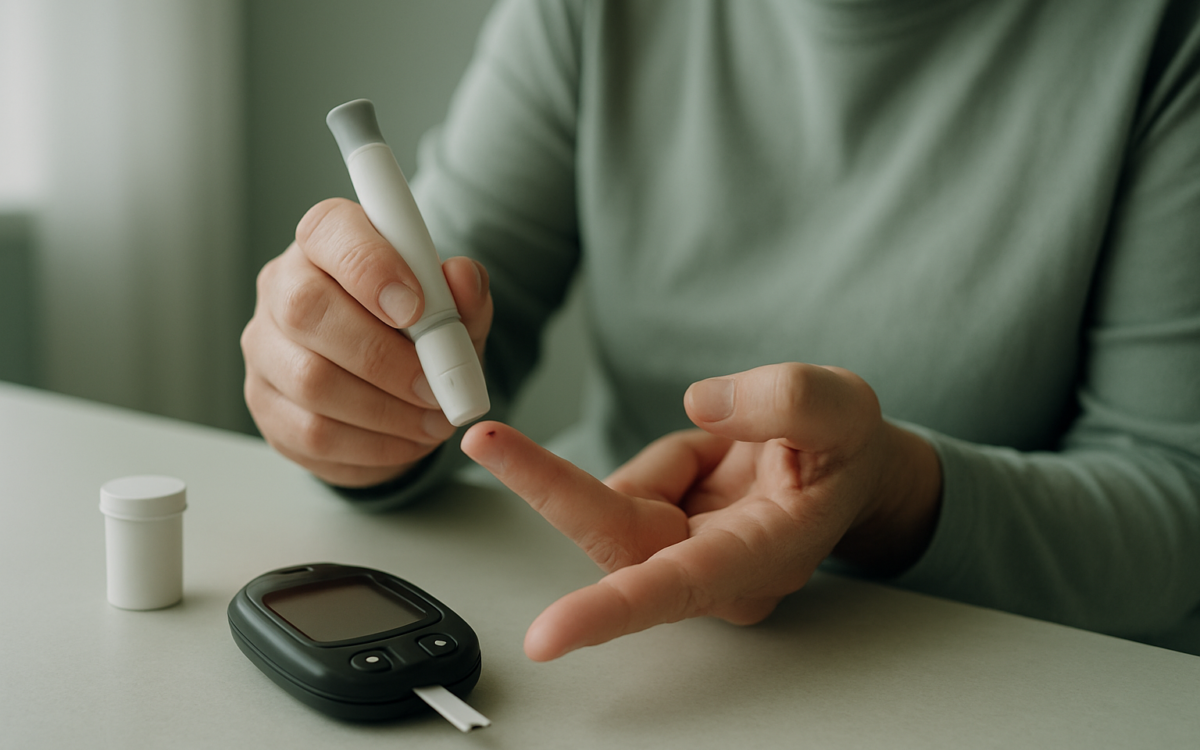
Diabetes is a serious health condition that affects millions of people worldwide. It occurs when your body cannot properly regulate blood sugar levels, leading to high blood sugar, which can cause various health problems if left untreated. Early detection of diabetes is crucial for effective management and preventing complications. Understanding the signs of diabetes is vital for you and your loved ones, as recognizing these symptoms can lead to timely intervention and improved health outcomes.
What Are the Common Signs of Diabetes?
Diabetes has many signs and symptoms that can vary among individuals. Here are some of the most common indicators you should be aware of:
- Increased Thirst: If you find yourself feeling more thirsty than usual, this could be a sign of diabetes. When your blood sugar levels rise, your body tries to remove the excess sugar through urine, leading to dehydration.
- Frequent Urination: Alongside increased thirst, frequent urination is another common symptom. Your kidneys work overtime to filter and absorb the excess sugar, which means you may find yourself needing to urinate more often.
- Extreme Hunger: If you are consistently feeling hungry despite eating regularly, it could indicate that your body isn’t effectively using glucose for energy due to insulin resistance.
- Fatigue: Feeling unusually tired or fatigued can also be a sign of diabetes. When your body can’t use insulin properly, it can lead to a lack of energy and overwhelming fatigue.
- Blurred Vision: High blood sugar levels can cause fluid to be pulled from the lenses of your eyes, affecting your ability to focus and leading to blurred vision.
What Are the Signs of Type 1 Diabetes?
Type 1 diabetes, which is typically diagnosed in children and young adults, has its own set of signs. In addition to the symptoms previously mentioned, look out for:
- Unexplained Weight Loss: Even though you may be eating more than usual, you might lose weight unexpectedly, as your body starts breaking down muscle and fat for energy due to lack of insulin.
- Diabetic Ketoacidosis: In some cases, type 1 diabetes can lead to a serious condition called diabetic ketoacidosis. Symptoms of this condition include nausea, vomiting, abdominal pain, rapid breathing, and confusion. It’s a medical emergency.
What Are the Signs of Type 2 Diabetes?
Type 2 diabetes is more common and often develops gradually. People may not notice symptoms until they become severe. Signs specific to type 2 diabetes include:
- Dark Patches on Skin: Acanthosis nigricans, or the appearance of darkened skin, particularly in skin folds, can be an indicator of insulin resistance.
- Slow Healing Sores or Frequent Infections: High blood sugar can affect your ability to heal and make you more susceptible to infections.
Complications of Untreated Diabetes
If diabetes is not caught early and managed effectively, it can lead to serious health complications over time, including:
- Heart Disease: Diabetes significantly increases the risk of heart disease and stroke.
- Nerve Damage: Long-term high blood sugar can damage nerves, leading to pain, tingling, or loss of feeling, particularly in the feet.
- Kidney Damage: Diabetes can damage the kidneys’ filtering system, leading to kidney disease.
- Vision Problems: As mentioned earlier, diabetes can cause blindness and other severe vision issues.
Risk Factors for Diabetes
While anyone can develop diabetes, some people are at a higher risk. The following factors can increase your chances:
- Family History: A history of diabetes in your family may increase your risk.
- Being Overweight: Excess body weight, particularly around the abdomen, is a strong risk factor, especially for type 2 diabetes.
- Age: Risk increases as you age, particularly after age 45.
- Lack of Physical Activity: Inactive lifestyles contribute to weight gain and increase the risk of diabetes.
Monitoring and Testing for Diabetes
If you suspect you or someone you know may be at risk for diabetes, it’s important to consult a healthcare provider. Testing options include:
- Fasting Blood Sugar Test: Measures blood sugar level after fasting for at least 8 hours.
- HbA1c Test: This test provides an average blood sugar level over the past 2 to 3 months and can give insight into long-term blood glucose management.
When to See a Doctor
It’s important to consult a healthcare provider if you’re experiencing any of these symptoms, especially if they persist. Early detection and treatment can prevent complications and lead to a healthier life. If you’re at risk, regular screening can help catch diabetes early.
For more information on diabetes and its effects, consider visiting the CDC’s diabetes page or the Mayo Clinic’s overview on type 2 diabetes. Understanding diabetes can empower you to make informed decisions about your health.
In conclusion, recognizing the signs of diabetes is essential for early intervention. By staying informed and aware of these symptoms, you can take steps towards a healthier lifestyle. Always consult your healthcare provider if you have any concerns or questions about your health.
