
Hello there! If you’ve been feeling more tired than usual, struggling to keep your mood stable, or noticing changes in your body that you can’t quite explain, you might have heard about testosterone replacement treatments (TRT). This article will provide you with a comprehensive overview of TRT, helping you understand its purpose, benefits, potential risks, and when it’s wise to consult a healthcare professional.
What is testosterone and why is it important?
Testosterone is a hormone primarily produced in the testicles, and it plays a vital role in several bodily functions. This hormone helps regulate:
- Muscle mass and strength
- Bone density
- Fat distribution
- Red blood cell production
- Sexual function
It also contributes to mood and energy levels. As men age, testosterone levels naturally decline. For some men, this drop can lead to low testosterone, or hypogonadism, which can cause various symptoms that might warrant treatment.
Signs of low testosterone
Recognizing low testosterone can be tricky, as its symptoms can overlap with other health issues. Common signs include:
- Fatigue or decreased energy
- Reduced libido
- Erectile dysfunction
- Weight gain, especially around the abdomen
- Mood changes, such as sadness or anxiety
- Loss of muscle mass
If you’re experiencing a combination of these symptoms, it might be helpful to speak with your healthcare provider about getting your testosterone levels tested.
What are testosterone replacement treatments?
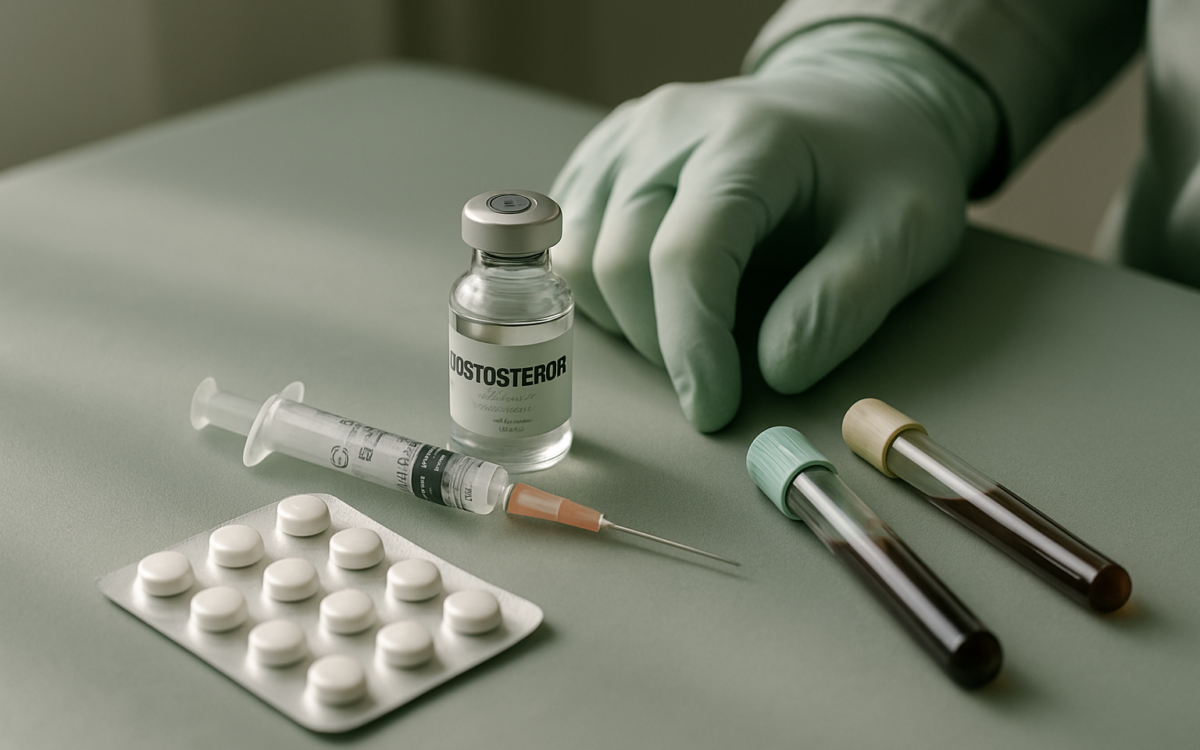
Testosterone replacement treatments are medical therapies designed to restore healthy testosterone levels in men with low testosterone. These treatments can come in various forms, including:
- Injections: Given either intramuscularly or subcutaneously, testosterone injections can provide a significant boost in hormone levels for several weeks.
- Transdermal patches: These patches are applied to the skin and deliver testosterone through the skin into the bloodstream.
- Topical gels: Similar to patches, these gels are applied to the skin, where testosterone is absorbed directly.
- Pellets: Small pellets containing testosterone can be implanted under the skin, releasing the hormone over several months.
The choice of treatment will depend on your health status, personal preferences, and your doctor’s recommendations.
Benefits of testosterone replacement treatments
Many men report several positive effects from undergoing TRT. Potential benefits may include:
- Increased energy levels
- Improved mood and a greater sense of well-being
- Enhanced muscle mass and strength
- Better sexual function
- Improved cognitive functions
Research indicates that TRT can improve quality of life and overall health for men with confirmed low testosterone levels. However, it’s essential to have realistic expectations and discuss any concerns with your doctor.
Potential risks and side effects
While TRT can offer benefits, it’s important to be aware of potential risks and side effects. Some men may experience:
- Acne or oily skin
- Sleep apnea
- Increased red blood cell count (which can strain the heart)
- Prostate enlargement or increased risk of prostate cancer
- Infertility due to suppressed sperm production
Each person may respond differently to TRT, so ongoing monitoring by a healthcare professional is crucial to mitigate these risks. Mayo Clinic and other reputable medical institutions emphasize that men should have regular check-ups to ensure that the treatment is being managed effectively.
When to see a doctor
If you are experiencing symptoms that may suggest low testosterone, consult your healthcare provider. It’s important to address any health concerns with a professional who can conduct appropriate tests and evaluate your overall health. Your doctor may suggest blood tests to measure your testosterone levels, usually done in the morning when levels are typically highest.
Be sure to discuss any medications you are currently taking, personal health history, and any concerns you have regarding testosterone treatments.
Conclusion
Understanding testosterone replacement treatments means understanding both the potential benefits and risks they carry. While TRT can significantly improve the quality of life for men with low testosterone levels, it’s critical that any treatment plan is tailored to your specific needs and is closely monitored by a healthcare professional. If you think you might benefit from TRT, start the conversation with your doctor. They can help you understand the best course of action for your personal health journey.
