
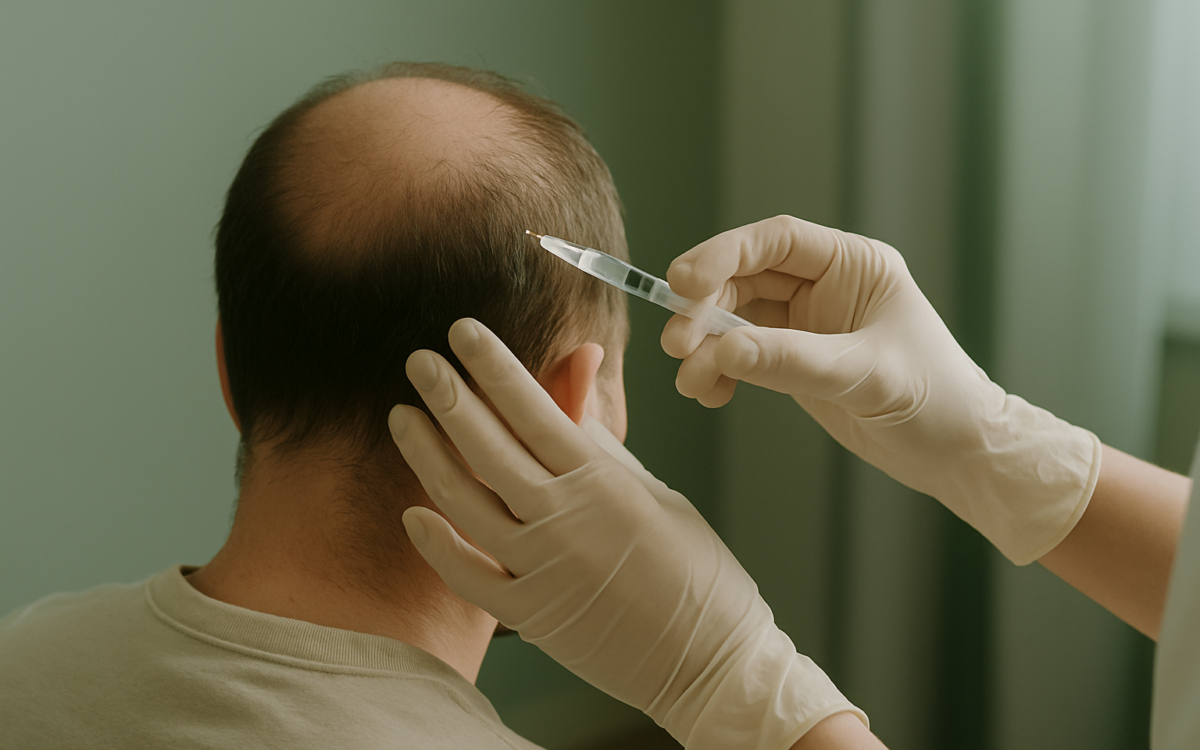
Balding is a common concern for many men and can affect self-esteem and confidence. Understanding the various treatment options available can help you make informed decisions about managing hair loss. This article explores effective treatments for balding hair, their benefits, and potential side effects.
Causes of Balding
Before diving into treatments, it’s essential to understand what causes balding. The most common cause is androgenetic alopecia, known as male pattern baldness. This hereditary condition affects both men and women, leading to gradual thinning of hair. Other factors can contribute to hair loss, including stress, medications, hormonal changes, and nutritional deficiencies.
Over-the-Counter Treatments
Several over-the-counter treatments are available that can help slow hair loss and promote hair regrowth.
Minoxidil
Minoxidil, commonly known by the brand name Rogaine, is a topical solution that is applied directly to the scalp. While the exact way it works is not entirely clear, it is believed to increase blood flow to hair follicles and promote hair growth. Available in liquid or foam formulations, minoxidil is typically applied twice a day. Users may begin to see results in as little as eight weeks, but continued use is necessary to maintain any gains. Some side effects may include scalp irritation and unwanted facial hair growth.
Prescription Treatments
For more significant hair loss, prescription medications might be necessary.
Finasteride
Finasteride, sold under the brand name Propecia, is an oral medication that helps to prevent hair loss by blocking the formation of dihydrotestosterone (DHT), a hormone that contributes to hair thinning. Studies have shown that finasteride can lead to some hair regrowth in a significant number of men. However, it may take three to six months to see noticeable improvements. Side effects can include sexual dysfunction and breast tenderness, so it’s essential to discuss these concerns with your doctor. More information is available from the NIH.
Hair Restoration Techniques
For those who prefer a more permanent solution, surgical hair restoration can be an option.
Hair Transplant Surgery
Hair transplant surgery involves removing hair follicles from a part of the scalp with fuller hair (the donor site) and relocating them to balding areas (the recipient site). This procedure can provide a natural-looking result but does require a recovery period. It’s crucial to choose a skilled surgeon to minimize the risk of complications and ensure the best outcomes.
Lifestyle Changes and Home Remedies
Some individuals may find success with lifestyle changes and home remedies that nurture hair health.
Diet and Nutrition
A balanced diet rich in vitamins and minerals can support hair growth. Nutrients like biotin, vitamin E, and zinc are essential for maintaining healthy hair. Foods such as fish, nuts, leafy greens, and whole grains play a crucial role in providing the necessary building blocks for hair growth.
Stress Management
Since stress can contribute to hair loss, incorporating stress-reduction techniques like yoga, meditation, or regular physical activity can enhance your overall well-being and may promote healthier hair.
Innovations in Hair Loss Treatments
Researchers are continually exploring new treatments for hair loss, including therapies that target the underlying biological processes.
Platelet-Rich Plasma (PRP) Therapy
PRP therapy involves drawing a small amount of blood from the patient, processing it to concentrate the platelets, and injecting it back into the scalp. This method aims to stimulate hair growth by utilizing the body’s natural healing properties. While some studies report positive results, more research is needed to confirm its long-term efficacy.
Low-Level Laser Therapy (LLLT)
This non-invasive treatment uses laser equipment to stimulate hair follicles with light energy, potentially promoting hair growth. Devices are available for at-home use, and many find it a convenient option. Although research suggests it can improve hair density, the evidence is still emerging.
When to See a Doctor
If you notice sudden hair loss, patches of baldness, or scalp irritation, it’s essential to consult a doctor. A healthcare professional can help determine the underlying cause of hair loss and recommend appropriate treatment options tailored to your needs. In some cases, hair loss may signify a more serious underlying health condition.
Conclusion
Balding hair is a common issue that many men face but knowing your treatment options can empower you to make the right choices. From over-the-counter treatments like minoxidil to prescription medications like finasteride, as well as lifestyle changes and advanced therapies, there are various approaches to managing hair loss. By working with your doctor and understanding which option is best for you, you can take proactive steps towards maintaining your hair and boosting your confidence.
