
High blood pressure, also known as hypertension, is often called the “silent killer” because many people do not experience noticeable symptoms. This can make it particularly tricky for individuals to recognize when their blood pressure is elevated. Understanding the signs and symptoms is crucial for early detection and management.
What is High Blood Pressure?
Before discussing the signs of high blood pressure, it’s important to know what it is. Blood pressure measures the force of blood against the walls of your arteries. Normal blood pressure is generally considered to be around 120/80 mm Hg. When the pressure is constantly higher than this, it can lead to various health problems over time.
Common Signs and Symptoms
High blood pressure typically does not present obvious symptoms until it becomes severe. However, some people may notice:
- Headaches: Frequent and intense headaches can be a sign of elevated blood pressure.
- Dizziness or lightheadedness: Feeling dizzy, especially when standing up quickly, might indicate high blood pressure.
- Nosebleeds: Although they can occur for various reasons, unexpected nosebleeds can also be linked to hypertension.
- Shortness of breath: Feeling breathless during regular activities can be another indicator.
- Blurred vision: Changes in vision can occur if high blood pressure is affecting your eyes.
- Flushing: Some people may experience facial flushing or a feeling of warmth.
These symptoms can vary from person to person, and experiencing one or more of them does not necessarily mean you have high blood pressure. However, it is a good idea to consult with your doctor if you notice any of these symptoms regularly.
Understanding Risk Factors
Several factors can contribute to the development of high blood pressure. Recognizing these risk factors can help you be more vigilant about your health:
- Age: Blood pressure tends to increase as we age.
- Obesity: Carrying extra weight can put strain on your heart and lead to hypertension.
- Physical inactivity: A lack of exercise can increase your risk.
- High sodium intake: Eating too much salt can elevate blood pressure levels.
- Alcohol consumption: Drinking excessive alcohol is associated with higher blood pressure.
- Smoking: Nicotine raises blood pressure and damages blood vessels.
- Chronic stress: Long-term stress can also contribute to higher blood pressure.
By understanding these risk factors, you can take preventative steps in your daily life.
Measuring Blood Pressure
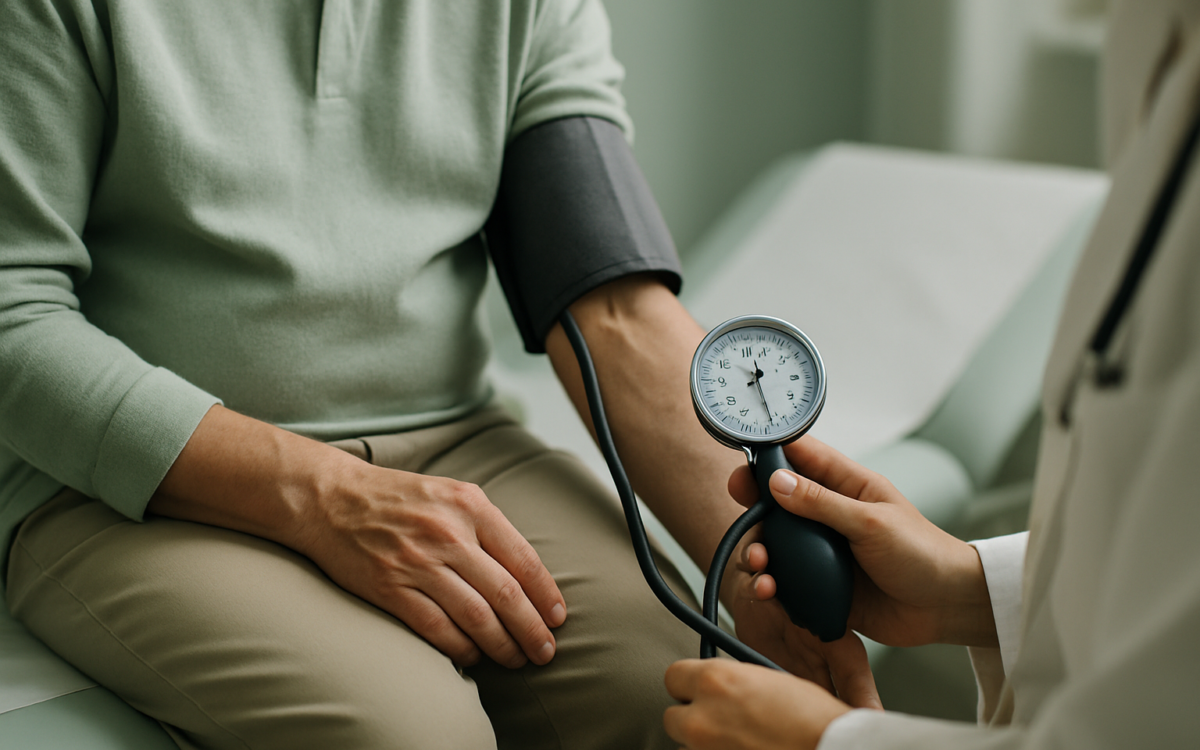
The only definitive way to know if you have high blood pressure is through regular monitoring. Blood pressure readings are taken using a sphygmomanometer, which measures the pressure in your arteries. It’s essential to get your blood pressure checked at least once every two years if you’re an adult, or more frequently if you have risk factors.
If you prefer, you can measure your blood pressure at home using a digital monitor. Make sure to follow the manufacturer’s instructions for accurate readings. Keep a record of your readings and discuss them with your healthcare provider during check-ups.
Managing High Blood Pressure
If you find that you have high blood pressure, it’s important to take action. Here are some strategies for managing your blood pressure levels:
- Diet: Focus on a heart-healthy diet rich in fruits, vegetables, whole grains, and lean proteins. Reducing salt intake is essential.
- Exercise: Aim for at least 150 minutes of moderate aerobic activity each week, such as walking, cycling, or swimming.
- Weight management: Achieving and maintaining a healthy weight can significantly reduce blood pressure.
- Avoid tobacco: Quitting smoking is beneficial for your overall health and can lower blood pressure.
- Limit alcohol: Stick to moderate drinking guidelines: one drink per day for women and two for men.
- Stress reduction: Practices like yoga, meditation, or deep-breathing exercises can help manage stress levels.
Always consult with your doctor about the best plan for you, especially if medication is required.
When to See a Doctor
It is essential to see a healthcare professional if you regularly experience signs of high blood pressure or if you have concerns about your blood pressure readings. Additionally, if you experience severe symptoms such as chest pain, severe headaches, difficulty breathing, or a sudden change in vision, seek emergency medical help immediately. For more information on blood pressure and health, you can visit the CDC website.
Conclusion
High blood pressure is a significant health concern that often goes unnoticed. Recognizing the signs and symptoms, understanding risk factors, and taking proactive measures can help you manage your blood pressure effectively. Regular check-ups with your healthcare provider are crucial for maintaining your heart health. Being informed is the first step toward a healthier future!
