
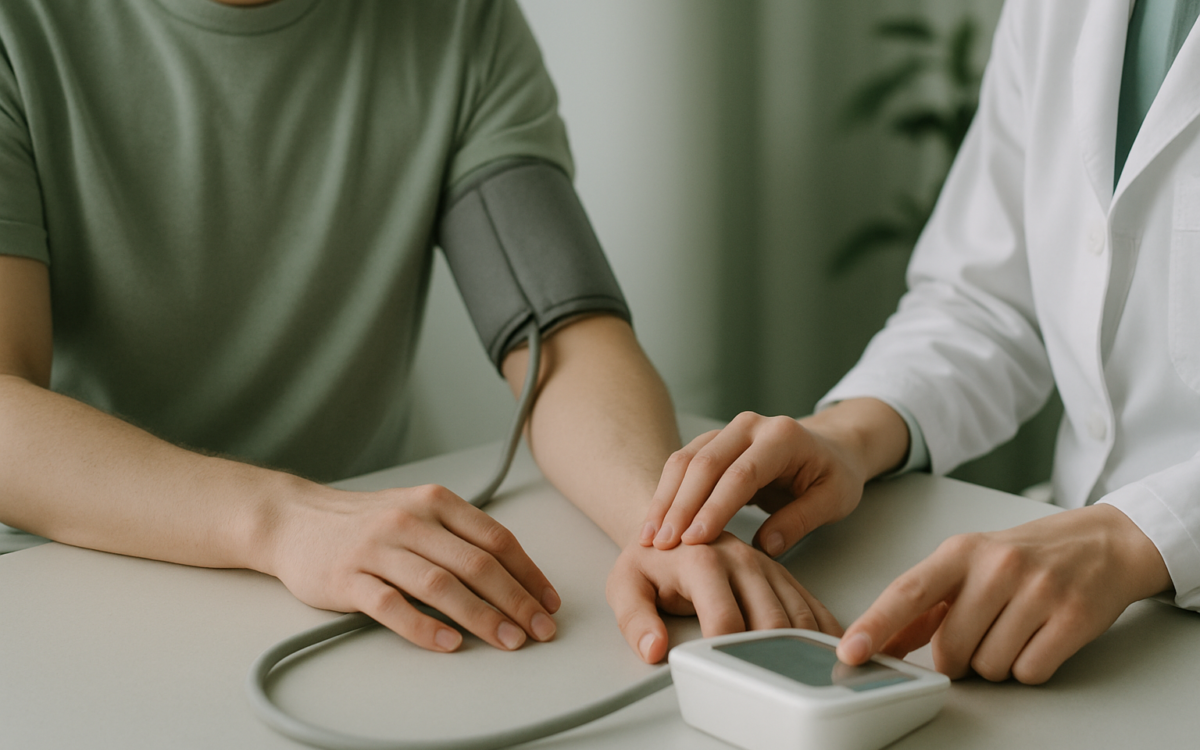
High blood pressure, also known as hypertension, affects millions of people worldwide. It can lead to serious health issues if not managed properly. While managing your blood pressure typically takes long-term lifestyle changes and medical interventions, there are some quick strategies you can use to help lower your blood pressure in just a few minutes. This article explores science-backed methods that may offer immediate relief.
Understanding High Blood Pressure
Before discussing quick methods to reduce blood pressure, it’s essential to understand what high blood pressure is. Blood pressure is the force of your blood against the walls of your arteries. High blood pressure occurs when this force is consistently too high, putting stress on your heart and blood vessels. Factors such as diet, lack of exercise, and stress can contribute to elevated blood pressure.
1. Deep Breathing Exercises
One effective way to lower your blood pressure quickly is through deep breathing exercises. Stress can significantly impact blood pressure levels, and deep breathing helps reduce stress. Here’s how you can do it:
- Find a quiet space where you can sit comfortably.
- Close your eyes and take a deep breath in through your nose, counting to four.
- Hold your breath for a count of four.
- Exhale slowly through your mouth for a count of six.
- Repeat this cycle for five to ten minutes.
Studies have shown that deep breathing can help lower blood pressure and improve overall heart health. The National Institutes of Health (NIH) notes that relaxation techniques can reduce stress hormones, potentially decreasing blood pressure levels (NIH).
2. Physical Activity: Move Your Body
Engaging in physical activity, even for a short duration, can also help reduce high blood pressure. A brisk walk, stretching, or even gentle yoga can provide immediate benefits:
- Take a brisk 10-minute walk.
- Try a few minutes of stretching or light aerobic exercises.
- Consider engaging in a brief session of yoga, focusing on movements that promote relaxation.
Exercise helps improve blood flow and can lower blood pressure effectively. The American Heart Association recommends at least 150 minutes of moderate aerobic activity each week for maintaining a healthy heart (AHA).
3. Hydration: Drink Water
Staying hydrated is crucial for overall health, but it can also have an impact on blood pressure. Dehydration can lead to the thickening of the blood, which raises blood pressure. Drinking a glass of water can help:
- Drink a glass of water when you begin to feel stressed or overwhelmed.
- Avoid sugary drinks and opt for plain water or herbal teas.
- Try adding a slice of lemon or cucumber for extra flavor.
According to the Centers for Disease Control and Prevention (CDC), adequate hydration plays a role in the proper function of your body and can help maintain a healthy blood pressure level (CDC).
4. Healthy Snack Choices
Your diet can have a major effect on your blood pressure. Opting for healthful snacks can lead to a rapid decline in blood pressure. Here are some snacks that might help:
- A small handful of nuts, such as almonds or walnuts.
- Fresh fruits, especially berries and bananas.
- Vegetables like carrots or celery to munch on.
Eating potassium-rich foods helps to balance sodium levels in the body, which can help lower blood pressure. The World Health Organization emphasizes the importance of a balanced diet rich in fruits and vegetables for maintaining heart health (WHO).
5. Mindfulness and Meditation
Practicing mindfulness and meditation can lead to significant reductions in blood pressure. Spend a few minutes each day focusing on your breath or center your thoughts. Here’s how to get started:
- Find a quiet space where you can sit comfortably.
- Close your eyes and concentrate on your breathing.
- When your mind wanders, gently guide it back to your breath.
Consistent mindfulness practice has been shown to lower blood pressure and improve overall well-being. Research published in peer-reviewed journals supports these claims, emphasizing the benefits of meditation on cardiovascular health.
When to See a Doctor
While these quick strategies can be beneficial for managing high blood pressure, they should not replace a doctor’s advice. If you experience consistently high blood pressure or symptoms such as severe headaches, chest pain, or vision changes, it’s crucial to see a healthcare professional for proper evaluation and treatment.
Conclusion
Managing high blood pressure often requires a comprehensive approach that includes long-term lifestyle changes. However, the strategies discussed in this article can help you feel more in control of your health and possibly lower your blood pressure in just a few minutes. Always consult your doctor before making significant changes to your health management plan.
