
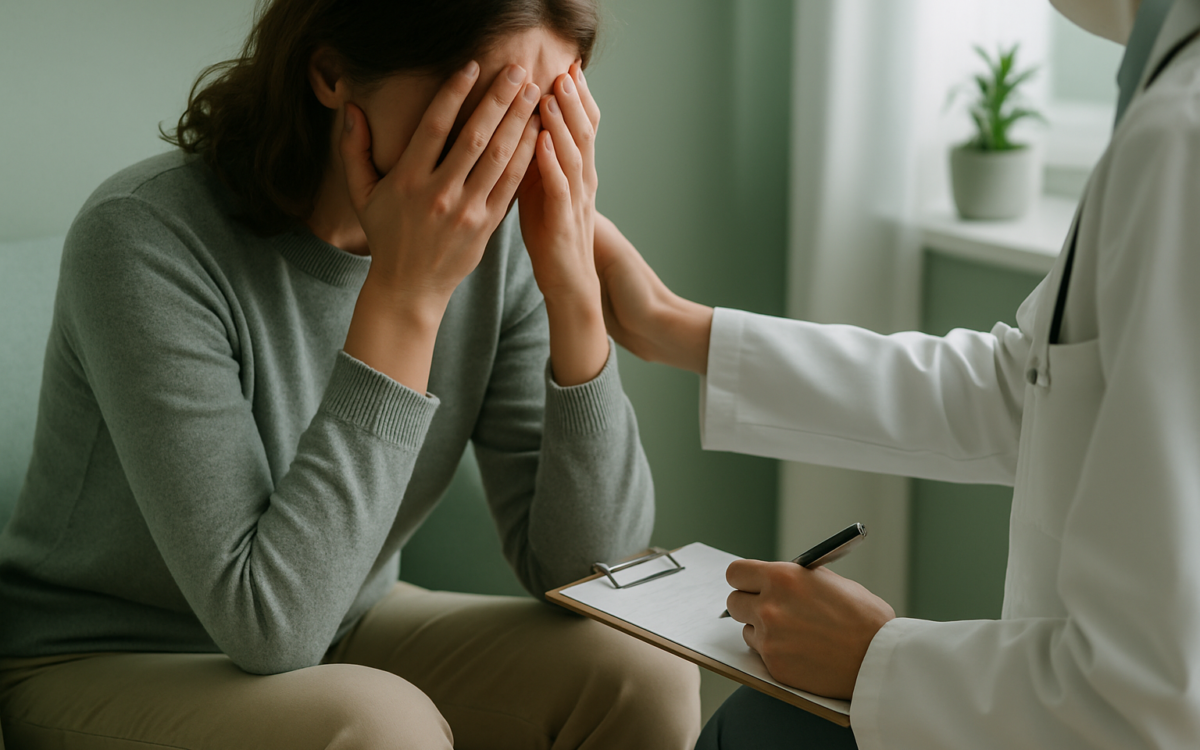
Anxiety attacks can feel overwhelming, leaving those who experience them searching for solutions. Fortunately, there are numerous ways to address anxiety attacks effectively, ranging from immediate coping techniques to longer-term treatment options. In this article, we will delve into various anxiety attack treatments that can help you or your loved ones manage anxiety more effectively.
What is an anxiety attack?
Anxiety attacks, often referred to as panic attacks, occur suddenly and can create a host of physical and emotional symptoms. These may include a racing heart, shortness of breath, feelings of impending doom, and overwhelming fear. While each person’s experience can differ, understanding the nature of these attacks is crucial in treating them.
Immediate coping strategies
During an anxiety attack, it is essential to find quick and effective ways to calm both the body and mind. Here are some strategies that may help:
- Deep breathing exercises: Focusing on your breath helps shift your attention away from anxious thoughts. Try inhaling for four counts, holding for four, and exhaling for six.
- Grounding techniques: Grounding exercises can help redirect your mind from panic. Try the 5-4-3-2-1 technique, where you list five things you can see, four you can touch, three you can hear, two you can smell, and one you can taste.
- Progressive muscle relaxation: This technique involves tensing and then relaxing different muscle groups, which can alleviate physical tension associated with anxiety.
Therapeutic options
While immediate coping strategies can provide temporary relief, longer-term treatments are often necessary for managing anxiety over time. Various therapeutic approaches can be effective:
Cognitive Behavioral Therapy (CBT)
CBT is one of the most effective therapies for treating anxiety. It involves identifying negative thought patterns and replacing them with more balanced and realistic ones. Techniques learned in CBT can help individuals understand what triggers their anxiety and develop coping mechanisms.
Exposure therapy
This therapy involves gradually exposing individuals to the situations or objects that trigger their anxiety. It aims to reduce fear over time by helping individuals face their fears in a controlled and supportive environment.
Medication options
For some individuals, medication may be an essential component of anxiety attack treatment. It is crucial to discuss these options with a healthcare provider:
- Antidepressants: Selective serotonin reuptake inhibitors (SSRIs) and serotonin-norepinephrine reuptake inhibitors (SNRIs) can help manage anxiety symptoms.
- Benzodiazepines: These medications can provide quick relief but may only be prescribed for short-term use due to potential dependency.
- Beta-blockers: Often used to manage physical symptoms, such as rapid heart rate and shaking, beta-blockers can be effective in certain situations.
Lifestyle changes to reduce anxiety
In addition to therapy and medication, making certain lifestyle changes can significantly improve anxiety management.
- Regular exercise: Physical activity releases endorphins, which can boost mood and reduce stress.
- Healthy diet: Consuming a balanced diet rich in whole foods can positively impact mental health.
- Sufficient sleep: Prioritizing sleep can improve overall emotional well-being and coping mechanisms.
- Mindfulness and meditation: Practices such as yoga and meditation can help individuals remain grounded and focused.
Support systems and resources
Having a strong support system can be incredibly beneficial for those dealing with anxiety attacks. Reaching out to friends and family can provide emotional backing. Additionally, support groups, either in-person or online, offer an opportunity to connect with others who share similar experiences.
For those needing immediate information or help, numerous resources are available, including:
- National Institute of Mental Health
- Centers for Disease Control and Prevention
- World Health Organization
When to see a doctor
If anxiety attacks become frequent or severely impact daily life, it is important to consult a healthcare provider. A doctor can help determine the best treatment strategies tailored to individual needs. Additionally, seeking help can provide relief and support for those feeling overwhelmed.
In conclusion, anxiety attacks can be distressing, but they are manageable with the right approach. Utilizing immediate coping strategies and engaging in long-term treatment options, including therapy and medication, can significantly improve quality of life. Don’t hesitate to seek help if you need it; many resources are available to support your journey toward managing anxiety effectively.
