
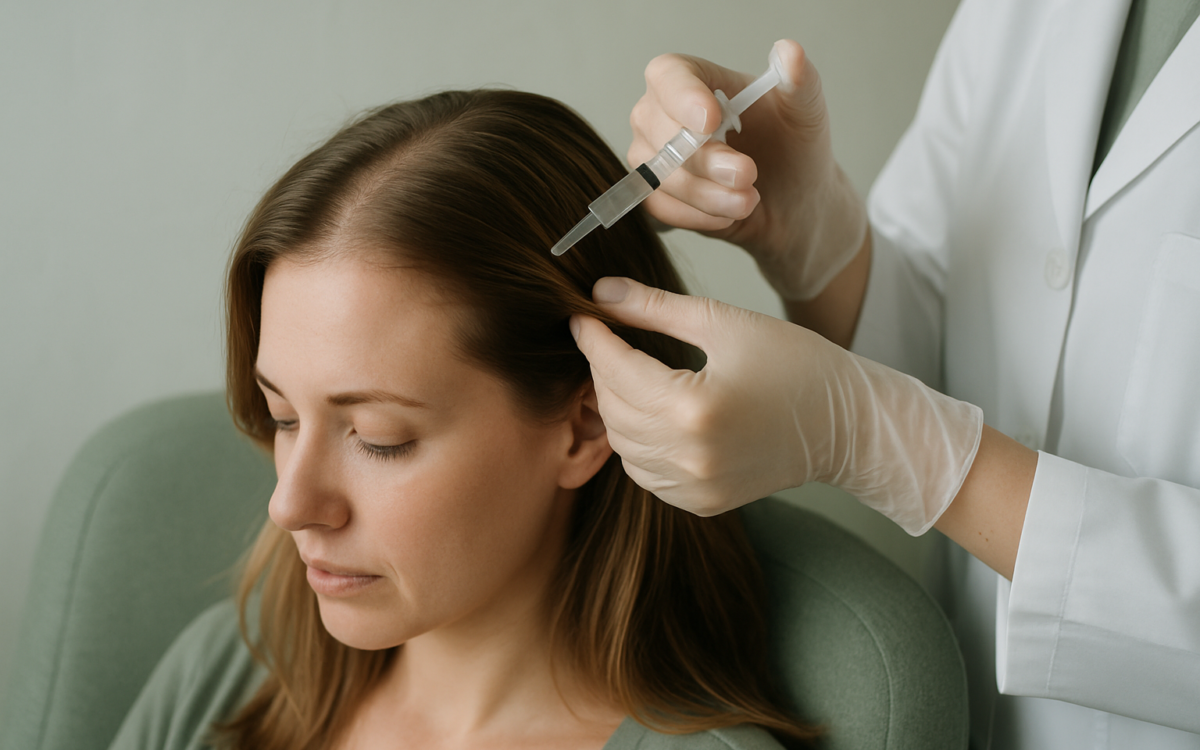
Hair loss can be an emotional experience for many women. Unlike men, women often face distinct challenges when it comes to thinning hair or bald patches. Whether it’s genetic, hormonal, or stress-related, understanding hair loss treatment options is essential for regaining confidence and achieving healthier hair.
Understanding the Causes of Hair Loss in Women
Before diving into treatment options, it’s important to recognize the common causes of hair loss in women. These may include:
- Hormonal Changes: Conditions such as pregnancy, menopause, and polycystic ovary syndrome (PCOS) can lead to fluctuations in hormone levels, resulting in hair thinning.
- Genetics: Female-pattern hair loss (androgenetic alopecia) can run in families and typically becomes more noticeable after age 40.
- Medical Conditions: Diseases like thyroid disorders, anemia, and autoimmune diseases can contribute to hair loss.
- Stress: Physical or emotional stress, as well as trauma, can trigger a type of hair loss known as telogen effluvium.
- Poor Nutrition: Lacking essential vitamins and minerals in your diet may also impact hair health.
First Steps: Assessing Hair Loss
If you notice hair thinning or hair loss, consider assessing the situation before exploring treatments. Keeping a journal of your hair loss patterns, stress levels, and diet can provide insights. Additionally, visit a healthcare provider to discuss your concerns. They may perform physical exams and blood tests to rule out underlying conditions.
Lifestyle Changes for Healthier Hair
For many women, simple lifestyle changes can significantly impact hair health. Here are some effective strategies:
- Balanced Diet: A diet rich in vitamins A, C, D, E, zinc, iron, and omega-3 fatty acids may improve hair strength. Foods like leafy greens, nuts, fish, and eggs should be included in your meals.
- Stay Hydrated: Drinking plenty of water encourages a healthy scalp and hair growth.
- Manage Stress: Engaging in relaxation techniques, such as yoga or meditation, can reduce stress-induced hair loss.
- Avoid Harsh Treatments: Minimize the use of heat styling tools, as well as chemical treatments, which can further damage hair.
Medical Treatments for Hair Loss
If lifestyle changes don’t yield desired results, several medical treatments may help:
- Minoxidil: This over-the-counter topical solution is FDA-approved for hair loss treatment. It may promote hair growth for women experiencing thinning hair.
- Finasteride: Although less common for women and controversial, some doctors may prescribe this oral medication for specific cases.
- Hormonal Therapy: If hormonal imbalance is determined to be the cause, hormone replacement therapy may be an option.
- Platelet-Rich Plasma (PRP) Therapy: This innovative treatment involves injecting concentrated platelets from your blood into your scalp to stimulate growth.
Advanced Options: Hair Restoration Techniques
In situations where medical treatments are ineffective, women might consider several advanced hair restoration techniques:
- Hair Transplant Surgery: This procedure involves moving hair follicles from one part of the body to the thinning area on the scalp. It’s best for specific hair loss types.
- Laser Therapy: These non-invasive treatments use low-level lasers to stimulate hair growth by improving blood flow to hair follicles.
- Wigs and Hair Pieces: Many women find comfort and style in high-quality wigs or hairpieces, especially during transitions or recovery periods.
For those considering treatments outside their home country, institutions like Acibadem International offer innovative procedures and expert care, allowing women to explore effective options in a supportive environment.
Natural Remedies: Easing Into Alternatives
Some women may prefer to explore natural remedies for hair loss. While scientific evidence may be limited, a few often-suggested remedies include:
- Essential Oils: Lavender and rosemary oils are thought to promote hair growth. Diluting them in a carrier oil before applying to the scalp might be beneficial.
- Herbal Supplements: Saw palmetto and ginseng might support hair health, but consulting a healthcare provider before starting any supplement is essential.
- Onion Juice: Applying onion juice to the scalp for 15-30 minutes has anecdotal support for stimulating hair growth.
As with any alternative approach, research and caution are key. Always consult with a healthcare provider before trying new remedies.
When to See a Doctor
If noticing sudden or patchy hair loss, it’s essential to see a healthcare provider. They can help identify underlying conditions and recommend appropriate courses of action. Also, if hair loss is accompanied by other concerning symptoms such as itchy scalp or skin discoloration, seek professional advice to rule out any serious conditions.
Ultimately, hair loss can be a sensitive issue for many women. However, multiple treatment options are available, from medical solutions and lifestyle changes to advanced techniques. By understanding the various approaches, women can make informed decisions about their hair health and regain their confidence.
