
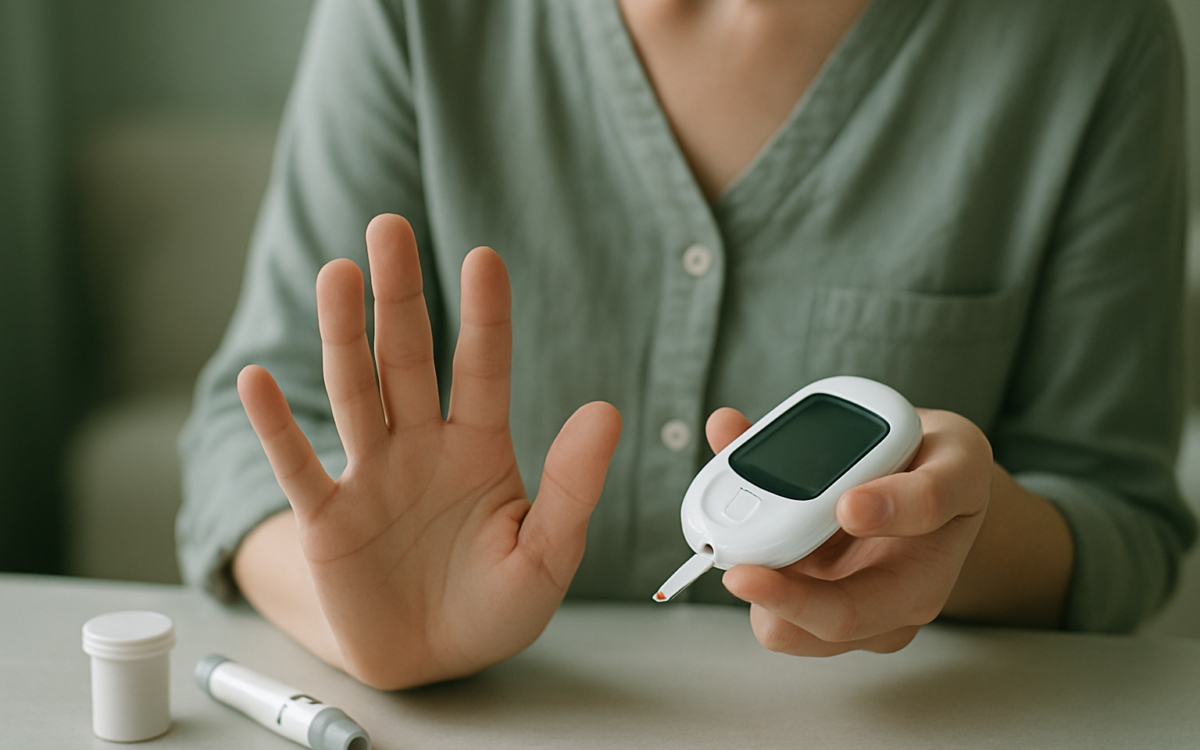
Many people are unaware that their blood sugar levels can spike without obvious symptoms. High blood sugar, or hyperglycemia, can be a sign of underlying health issues such as diabetes. It’s crucial to recognize the symptoms early to manage your health effectively. In this article, we’ll explore the common signs of high blood sugar and what they mean.
What is high blood sugar?
High blood sugar occurs when your body has an excess of glucose in the bloodstream. This can happen for various reasons, including insufficient insulin production or resistance to insulin. Insulin is the hormone responsible for helping glucose enter cells, where it’s used for energy.
According to the CDC, prolonged high blood sugar can lead to serious complications if left untreated.
Common signs of high blood sugar
1. Increased thirst and frequent urination
One of the most noticeable signs of high blood sugar is intense thirst (polydipsia) accompanied by more frequent urination (polyuria). When blood sugar levels rise, your body attempts to eliminate the excess glucose through urine. This process can lead to dehydration, making you feel extremely thirsty.
2. Fatigue and weakness
Feeling unusually tired or weak can be another sign of high blood sugar. When glucose can’t effectively enter the cells, they don’t receive the energy they need. As a result, you may feel lethargic, drained, or weaker than usual. This lack of energy can affect your daily activities and overall wellbeing.
3. Blurred vision
High blood sugar can lead to fluid being pulled from your eye lenses, which may affect your ability to focus. This condition is known as blurred vision. If you notice that your vision is becoming less clear, it might be a good idea to monitor your blood sugar levels.
4. Increased hunger
Feeling hungry more often or having intense cravings can also indicate high blood sugar levels. When glucose cannot enter the cells due to insulin issues, your body mistakenly signals that it needs more food to obtain energy, resulting in heightened appetite (polyphagia).
5. Slow healing wounds
High blood sugar can impair your body’s ability to heal. If you notice that cuts or bruises are taking longer than usual to heal, it might be worth consulting with a healthcare provider. Elevated blood sugar levels can disrupt circulation and the effectiveness of immune responses.
6. Skin changes
Unexplained skin issues can be a sign of high blood sugar as well. Conditions like dark patches, particularly around the neck or armpits (known as acanthosis nigricans), can indicate insulin resistance and elevated blood sugar levels. Additionally, frequent skin infections may arise due to weakened immune responses.
Complications of unmanaged high blood sugar
If high blood sugar continues for an extended period, it can lead to serious complications. Chronic hyperglycemia can result in:
- Cardiovascular disease
- Nerve damage (neuropathy)
- Kidney damage (nephropathy)
- Vision problems or blindness
- Foot problems, including infections and ulcers
For this reason, keeping your blood sugar levels in check is essential. Regular monitoring and consultations with healthcare professionals can help you understand your levels and take necessary precautions.
Managing high blood sugar
Managing your blood sugar levels involves a combination of lifestyle changes and medical interventions. Here are a few strategies that may help:
- Balanced diet: A diet rich in whole grains, lean proteins, and plenty of vegetables can help regulate blood sugar levels.
- Regular exercise: Physical activity can improve your body’s sensitivity to insulin and assist in maintaining healthy blood sugar levels.
- Monitoring blood sugar: Regularly checking your blood sugar can help you identify patterns and make necessary adjustments.
- Medication: For some people, medications or insulin therapy may be required to manage high blood sugar levels effectively.
When to see a doctor
If you experience symptoms of high blood sugar or have concerns about your levels, it’s important to consult with a healthcare provider. Early intervention can help prevent serious health issues down the line. Conditions like diabetes may require ongoing management and support to maintain a healthy lifestyle.
Conclusion
Recognizing the signs of high blood sugar is essential for maintaining good health. If you notice any of the symptoms mentioned, don’t hesitate to seek medical advice. By staying informed and aware, you can manage your health more effectively and take proactive steps to prevent complications.
