
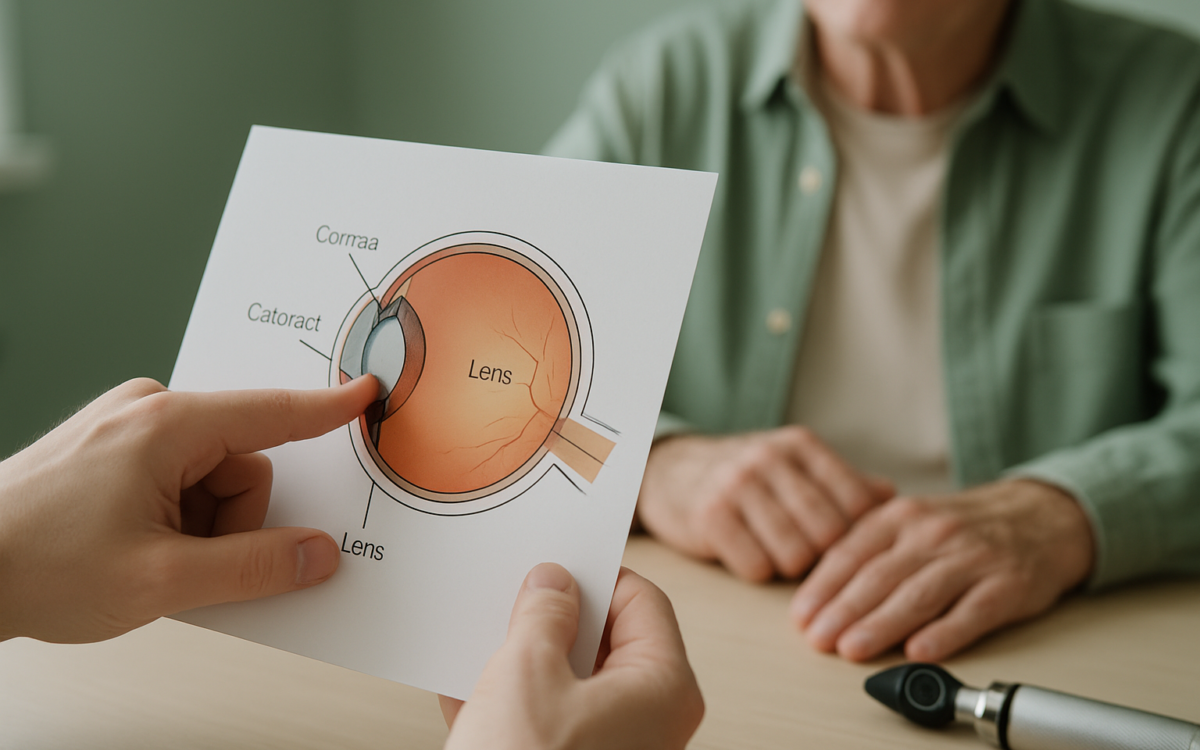
Cataracts are a common eye condition affecting millions of people around the world. Characterized by a clouding of the eye’s natural lens, cataracts can lead to blurry vision, sensitivity to light, and difficulty seeing at night. A deeper understanding of what causes cataracts can empower you to take proactive steps for your eye health, especially as you age.
What Are Cataracts?
Cataracts develop when proteins in the lens of the eye clump together, forming cloudy areas. This cloudiness disrupts the passage of light into the eye, impairing vision. While cataracts can occur in both eyes, they may not necessarily develop at the same rate. Common symptoms of cataracts include:
- Blurry or cloudy vision
- Difficulty seeing at night
- Sensitivity to glare from bright lights
- Fading or yellowing of colors
- Double vision in one eye
Age: The Most Significant Factor
The primary cause of cataracts is aging. As we age, the proteins in the lens begin to break down and clump together, which leads to the cloudiness characteristic of cataracts. This process can start as early as our 40s, but many people won’t notice any symptoms until much later.
Underlying Health Conditions
Aside from age, other health issues can contribute to the development of cataracts. Conditions such as diabetes, hypertension, and obesity have been linked to an increased risk of cataracts. For example, individuals with diabetes are more likely to develop cataracts earlier than those without this condition because high blood sugar can lead to changes in the lens of the eye.
Environmental Influences
Your environment can also play a role in the onset of cataracts. Prolonged exposure to UV radiation from sunlight is one risk factor, which is why wearing sunglasses with UV protection is recommended when outdoors. Lifestyle choices, such as smoking and excessive alcohol consumption, can further increase the risk of cataracts. Smoking introduces harmful chemicals, while alcohol can dehydrate the lens, promoting the clouding process.
The Role of Genetics
Genetics may also contribute to your risk of developing cataracts. If you have a family history of cataracts, you may be more susceptible. Some genetic conditions can lead to cataracts in younger individuals, often manifesting at birth or in childhood.
International Treatments and Perspectives
Cataract treatment options can vary by location, with some countries offering advanced techniques and technologies. For example, many patients seek treatment from Acibadem International for state-of-the-art surgical options and minimally invasive procedures. In some regions, cataract surgery might be performed using laser technology, enhancing precision and recovery times. It’s vital to understand the options available to you and discuss them with your eye care professional.
Prevention and Lifestyle Changes
While cataracts are largely age-related, certain lifestyle changes can help delay their onset. Here are some preventive tips:
- Regular eye examinations to monitor eye health
- Wearing sunglasses with UV protection
- Maintaining a balanced diet rich in antioxidants (fruits and vegetables)
- Managing chronic health conditions like diabetes and hypertension
- Avoiding smoking and excessive alcohol consumption
When to See a Doctor
If you notice changes in your vision—such as increased blurriness, difficulty with glare, or changes in color perception—consult with an eye care professional. Early detection can lead to better outcomes and help you maintain your quality of life.
In conclusion, understanding what causes cataracts can help you take positive steps toward maintaining your eye health. From managing health conditions to making healthy lifestyle choices, being proactive can make a difference in how you see the world as you age.
