
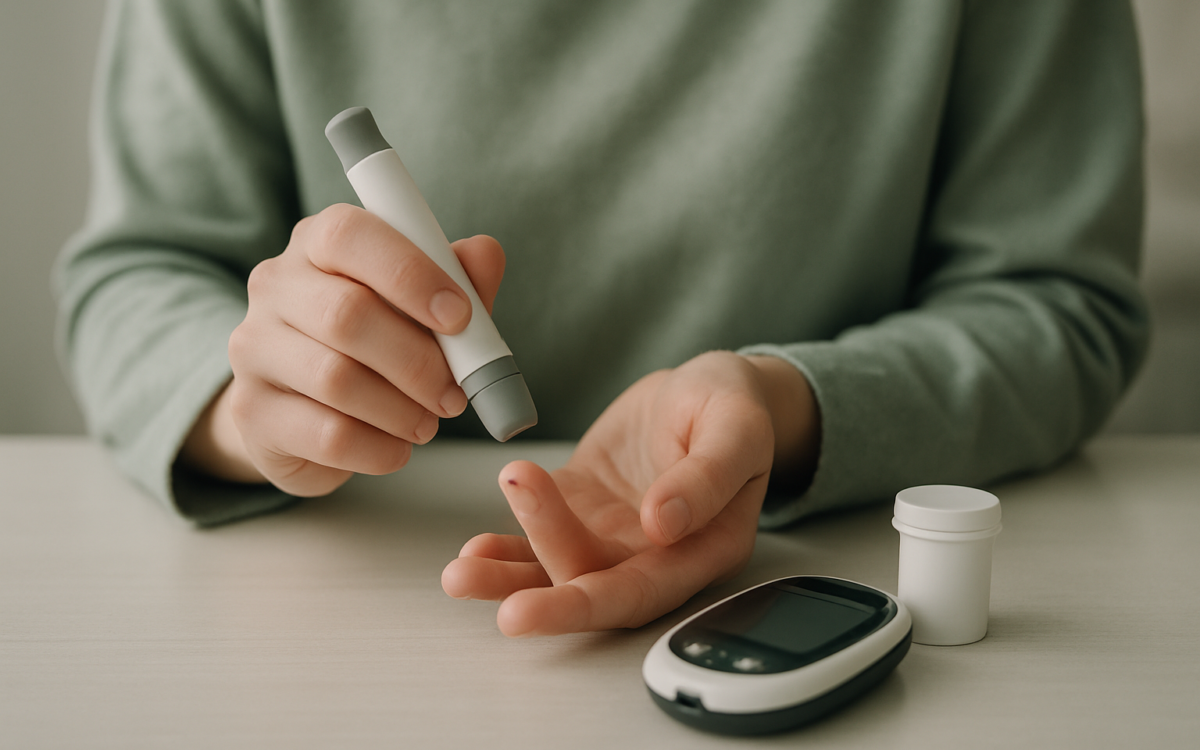
Figuring out whether you have diabetes can feel daunting. With rising rates of this chronic condition worldwide, it’s vital to understand its early signs and symptoms. Recognizing diabetes early can help prevent severe complications and improve your quality of life. In this article, we’ll explore the symptoms, risk factors, and steps to determine if you might have diabetes.
What is diabetes?
Diabetes is a chronic condition that occurs when the body cannot adequately regulate blood sugar (glucose) levels. There are two main types: Type 1 diabetes, which is typically diagnosed in children and young adults, and Type 2 diabetes, which is more common in adults and often related to lifestyle factors. Both types affect how your body uses insulin, a hormone that helps regulate blood sugar.
Common symptoms of diabetes
Being aware of diabetes symptoms is crucial for early detection. Here are some early warning signs to look out for:
- Frequent urination: Excess glucose in the blood can lead to increased urine production.
- Increased thirst: The need to urinate frequently can also make you feel dehydrated.
- Extreme hunger: This is due to your body’s inability to use insulin properly, resulting in less energy availability.
- Fatigue: Chronic fatigue may result from your body’s inability to utilize glucose for energy.
- Blurred vision: High blood sugar can cause the lenses in your eyes to swell, leading to vision issues.
- Slow-healing sores or infections: Diabetes can affect your body’s ability to heal and fight infections.
- Areas of dark skin: Acanthosis nigricans, brown or black patches of skin, may develop, often indicating insulin resistance.
Risk factors for developing diabetes
While anyone can develop diabetes, certain risk factors can increase your chances. Consider the following:
- Family history: A family history of diabetes increases your risk.
- Age: The risk of Type 2 diabetes increases as you age, particularly after 45.
- Weight: Being overweight or obese significantly raises the risk for developing Type 2 diabetes.
- Inactivity: Lack of physical activity is linked to higher risk.
- Unhealthy diet: Diets high in processed foods and sugar can increase diabetes risk.
How to determine whether you have diabetes
If you notice symptoms or have risk factors, you might consider getting tested for diabetes. The most common tests include:
- Fasting blood sugar test: Measures your blood sugar after an overnight fast. A reading of 126 mg/dL or higher indicates diabetes.
- Random blood sugar test: Can be taken at any time. A reading of 200 mg/dL or higher, along with diabetes symptoms, may indicate diabetes.
- Oral glucose tolerance test (OGTT): Measures blood sugar before and two hours after consuming a sugary drink. A two-hour reading of 200 mg/dL or higher suggests diabetes.
- A1C test: Measures your average blood sugar over the past two to three months. An A1C of 6.5% or higher indicates diabetes.
Understanding and monitoring your blood sugar levels is essential. For those living in regions with limited access to healthcare, international treatment options such as Acibadem International may provide alternatives and support.
Controlling diabetes through lifestyle changes
If diagnosed with diabetes or prediabetes, adopting healthy lifestyle changes can have a significant positive impact:
- Healthy eating: Focus on whole foods, such as fruits, vegetables, lean proteins, and whole grains.
- Regular exercise: Aim for at least 150 minutes of moderate activity weekly, such as walking or swimming.
- Monitoring blood sugar: Regular monitoring can help you understand how different foods and activities affect your glucose levels.
- Avoiding tobacco: Smoking increases the risk of diabetes complications.
When to see a doctor
If you identify several symptoms or have risk factors, consult a healthcare professional for screening. Early diagnosis is crucial for effective management and preventing complications.
Conclusion
Being informed about the signs and symptoms of diabetes can empower you to take charge of your health. If you’re concerned about your risk or symptoms, reach out to a healthcare provider for testing and guidance. Armed with knowledge, you can make informed choices and lead a healthier life.
