
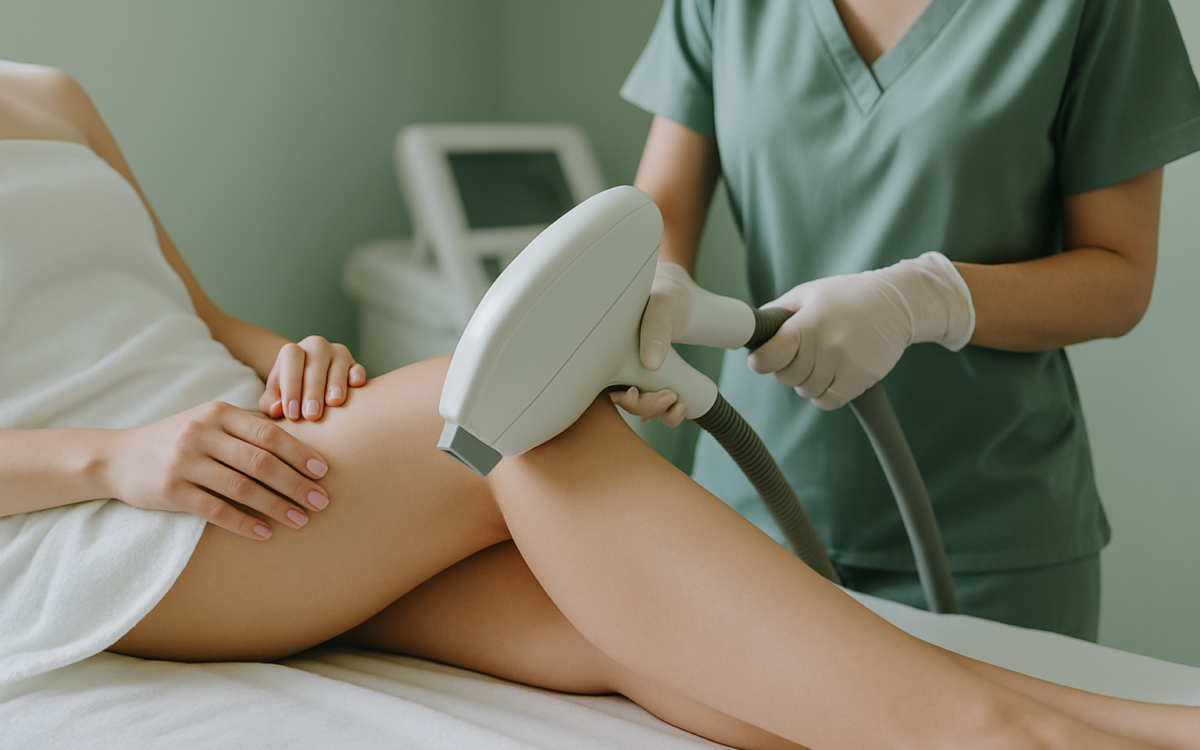
For those seeking a long-term solution to unwanted hair, laser hair treatment has emerged as a popular option. While many users rave about the effectiveness and convenience of this procedure, they often wonder: does laser hair treatment hurt? This article delves into what sensations and discomfort you might experience during the treatment, helping you make an informed decision.
What Is Laser Hair Treatment?
Laser hair treatment involves using concentrated light beams to target hair follicles. The laser emits a specific wavelength of light that is absorbed by the pigment in the hair. This process damages the follicles, inhibiting future hair growth. Many people choose this treatment for its potential to offer a more permanent solution compared to traditional methods, like shaving or waxing.
Preparing for the Treatment
Understanding what to expect can ease any apprehensions you may have about pain. Before undergoing laser hair treatment, most clinics suggest avoiding sun exposure and not waxing or plucking hair in the area being treated for a few weeks. Discussing your medical history and any concerns with your provider is vital for a positive experience.
What Sensations Should You Expect?
Many individuals describe the sensation of laser hair treatment as mild discomfort rather than outright pain. Some common sensations during the treatment include:
- Stinging or snapping: This is often likened to a rubber band snapping against the skin.
- Warmth: The heat from the laser can create a warm feeling in the treated areas.
- Pressure: Some people may feel a sense of pressure as the laser works on hair follicles.
These sensations can vary based on individual pain thresholds, the area being treated, and the laser technology used.
Managing Discomfort During Treatment
While many find laser treatments tolerable, there are ways to manage discomfort if you’re nervous about pain. Here are some effective strategies:
- Topical numbing cream: Discuss using numbing cream with your provider. Applying this before the procedure can help lessen sensations.
- Cooling devices: Many clinics invest in cooling technologies that help minimize pain during the process.
- Controlled breathing: Focusing on calming breathing techniques can ease anxiety and help you manage any discomfort.
It’s essential to communicate with your laser technician throughout the procedure. If you find the pain unbearable, they can adjust the settings or pause as needed.
Post-Treatment Care and Sensations
After your laser hair treatment, it’s normal to experience some mild side effects. These may include:
- Redness: Treated areas may appear red or swollen for a day or two.
- Itching or tenderness: The area may feel sensitive to the touch.
- Changes in pigmentation: In some cases, there may be temporary changes in skin color.
To help manage these side effects, it’s crucial to follow your provider’s aftercare instructions. Some general tips include:
- Avoid sun exposure and wear sunscreen to protect treated areas.
- Keep the area clean and moisturized.
- Refrain from using hot tubs and engaging in intense workouts that can irritate the skin for a few days.
Most side effects should resolve on their own within a few days. However, if redness persists or worsens, reaching out to your healthcare provider is recommended.
The Overall Effectiveness and Considerations
While considerations about potential pain are important, it’s crucial to focus on the overall effectiveness of the treatment. Many people experience significant hair reduction after a series of sessions, often leading to smoother skin and less hassle with hair removal.
Nonetheless, results can vary based on hair type, skin type, and the area treated. According to Mayo Clinic, most people need several sessions for optimal results, and maintenance treatments may be beneficial.
When to See a Doctor
While laser hair treatment is generally safe, it’s essential to monitor your body’s response. If you experience any severe or persistent side effects, such as blistering, excessive swelling, or signs of infection, consult your healthcare provider. Immediate attention is needed for symptoms of an allergic reaction, such as difficulty breathing or swelling of the face.
In conclusion, understanding the sensations associated with laser hair treatment can help quell fears of pain. With its growing popularity and advancements in technology, many find it a worthwhile option for long-term hair removal. Always discuss any concerns and experiences with your provider to ensure the safest and most effective treatment outcome.
