
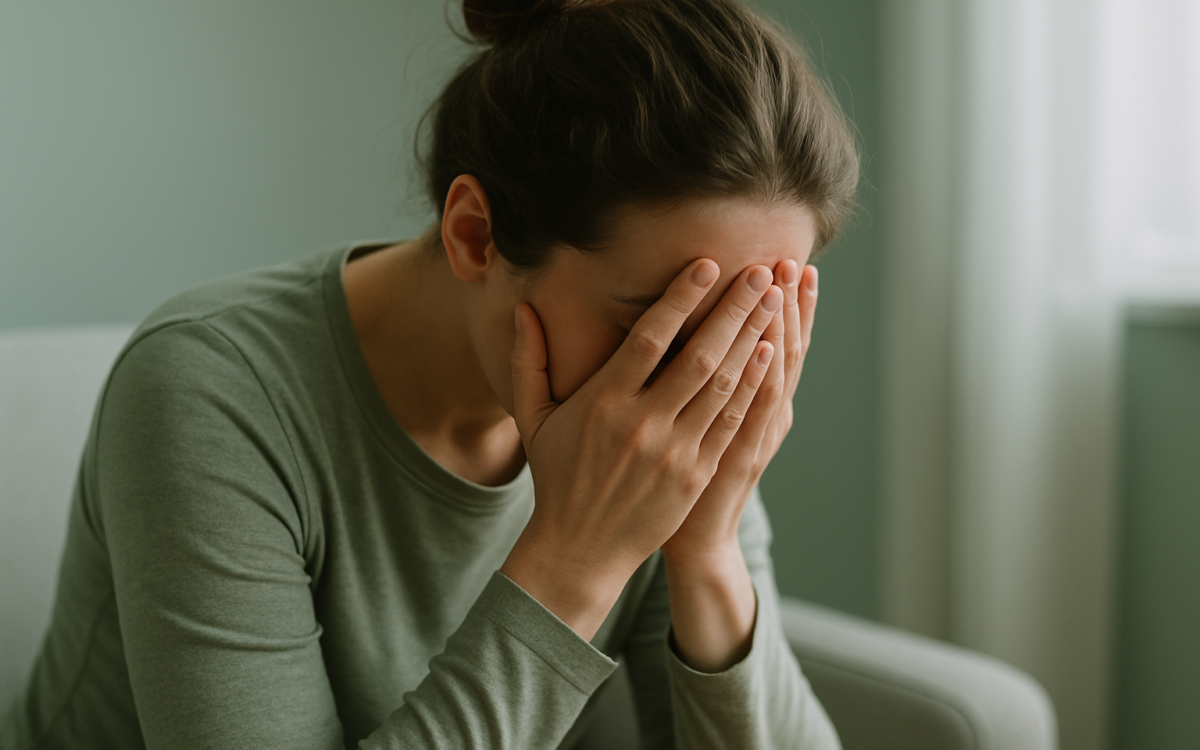
Anxiety attacks can feel overwhelming and frightening, but knowing the signs can help you respond effectively. Whether you experience anxiety yourself or know someone who does, understanding what an anxiety attack looks like can make a big difference. This article will explore the common signs and symptoms to help you recognize an anxiety attack when it happens.
Understanding Anxiety Attacks
Anxiety attacks, often referred to as panic attacks, can occur suddenly and without warning. They are intense periods of fear or discomfort that typically peak within minutes. Symptoms can vary from person to person but often include emotional and physical aspects. Understanding these symptoms can help individuals seek support and manage their anxiety more effectively.
Common Physical Symptoms
Anxiety attacks often present with several physical symptoms that can mimic other conditions—this can be particularly alarming. Here are some common physical signs:
- Rapid heartbeat: A racing heart is a common symptom that may feel like your heart is pounding in your chest.
- Shortness of breath: Many people report feeling like they can’t breathe or are choking during an anxiety attack.
- Chest pain: This may feel similar to a heart attack. It’s important to differentiate between the two by observing other symptoms.
- Shaking or trembling: Muscle tension and involuntary trembling are frequent physical responses to acute anxiety.
- Sweating: Increased perspiration can occur even in a cool environment when anxiety strikes.
- Dizziness or lightheadedness: Feeling faint or dizzy can make the experience even more distressing.
Recognizing these physical symptoms is the first step in understanding an anxiety attack. The National Institutes of Health provides resources for better understanding these health events.
Emotional and Cognitive Symptoms
In addition to physical signs, anxiety attacks can also significantly impact your emotional and cognitive state. Common emotional symptoms include:
- Intense fear: This fear may feel disproportionate to the actual situation, causing a sense of impending doom.
- Feelings of detachment: Some individuals report feeling unreal or disconnected from themselves or their surroundings.
- Overwhelming worry: During an anxiety attack, the mind can race with negative thoughts, often worse than the reality of the situation.
- Fear of losing control: A common concern during an attack is the fear of going crazy or losing control in public.
Realizing the mental and emotional aspects of anxiety attacks can prepare you for what to expect during such episodes.
Precipitating Factors and Triggers
Different factors can lead to anxiety attacks, including lifestyle choices and external circumstances. Some common triggers include:
- Stressful life events: This might include changes in job status, relationship issues, or the loss of a loved one.
- Trauma: Past traumatic experiences can revisit a person during periods of high stress.
- Substance use: Drinking alcohol or using recreational drugs can exacerbate anxiety symptoms.
- Medical conditions: Certain illnesses or medications can provoke anxiety attacks.
Identifying personal triggers can be essential in managing anxiety effectively. Keeping a journal to track patterns can also help!
Coping Strategies for Anxiety Attacks
While anxiety attacks can be debilitating, there are various strategies that can help you cope more effectively:
- Deep breathing exercises: Focus on your breath by breathing in slowly through your nose and out through your mouth.
- Grounding techniques: Use your senses to reconnect with the present—notice five things you can see, four you can touch, three you can hear, two you can smell, and one you can taste.
- Progressive muscle relaxation: Tense and relax different muscle groups to help release physical tension.
- Mindfulness and meditation: Regular practice can help reduce stress and anxiety over time.
The World Health Organization discusses broader mental health strategies that can be beneficial for coping with anxiety.
When to See a Doctor
If anxiety attacks are frequent or significantly impact daily life, it’s a good idea to seek professional advice. Symptoms that might warrant a trip to the doctor include:
- Frequent anxiety attacks
- Persistent feelings of worry or anxiety that disrupt daily activities
- Physical health concerns related to anxiety symptoms
A healthcare provider can offer guidance on managing anxiety and suggest potential therapeutic options.
Conclusion
Anxiety attacks can be intense and distressing experiences. By learning the signs and symptoms, individuals can better prepare for and manage their anxiety. If you recognize yourself or someone you know in these descriptions, remember you’re not alone. Seeking help and understanding your experience can lead to more effective coping strategies, ultimately enhancing your mental well-being.
