
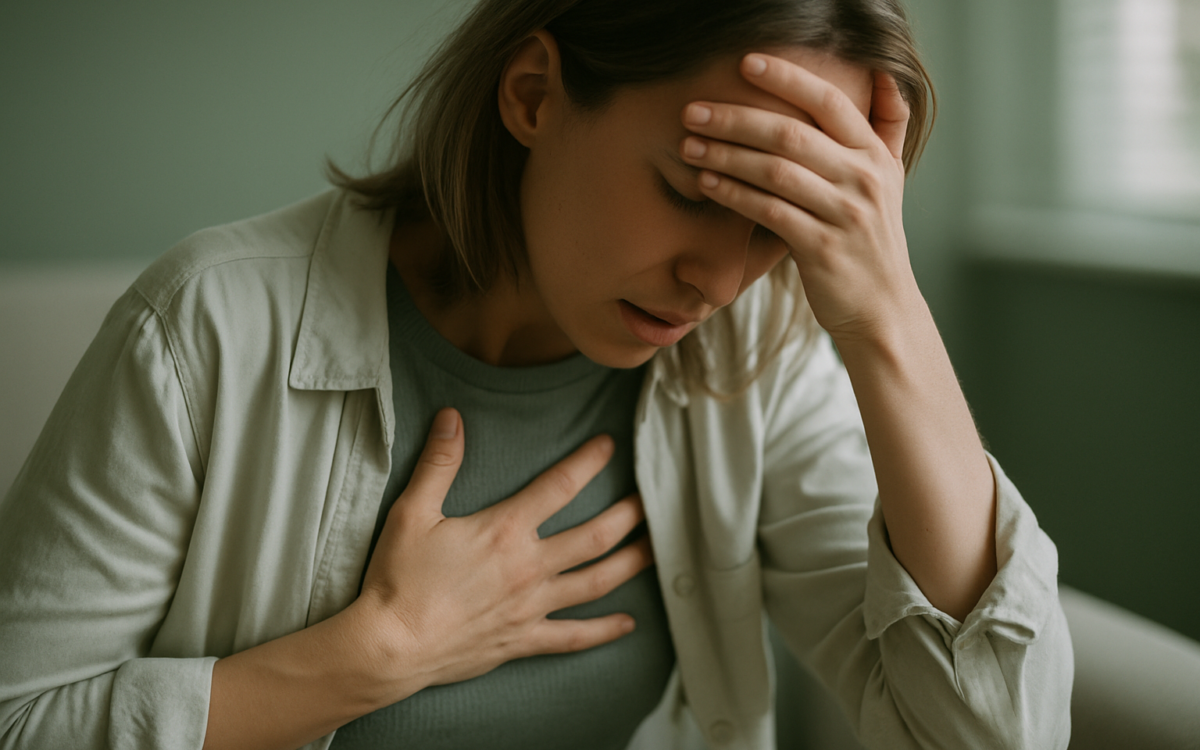
Panic attacks can be frightening experiences that often strike unexpectedly. Many people who go through them report a rush of intense fear or discomfort. But what are the specific signs that indicate you or someone else may be having a panic attack? Understanding these signs is the first step toward managing your symptoms and seeking help.
What is a Panic Attack?
A panic attack is a sudden episode of intense fear that triggers severe physical reactions, even when there is no real danger or apparent cause. This overwhelming fear can be paralyzing and may lead individuals to avoid situations where they believe an attack could occur. According to the National Institute of Mental Health, panic disorder affects approximately 2-3% of the population at some point in their lives.
Common Signs and Symptoms
Recognizing the signs of a panic attack is essential for both the individual experiencing the attack and those around them. Here are some common symptoms to watch for:
- Rapid Heartbeat: One of the most immediate signs is the sensation of your heart racing or pounding.
- Shortness of Breath: You may feel like you are choking or unable to get enough air.
- Dizziness or Lightheadedness: Feeling faint or unsteady can also occur.
- Chest Pain: This can sometimes mimic a heart attack, leading to confusion and fear.
- Nausea: Some people may feel nauseous or develop an upset stomach.
- Trembling or Shaking: Physical symptoms can include shaking hands or legs.
- Fear of Losing Control: This may manifest as a fear of going insane or losing control over yourself.
- Sweating: Many experience excessive sweating even in cool environments.
The Experience of a Panic Attack
For those experiencing a panic attack, emotions can intensify rapidly. Typically, the full symptoms can peak within 10 minutes, but the fear can linger long after the physical signs dissipate. People often describe the sense of impending doom, and they may feel detached from reality or from themselves—a symptom known as derealization or depersonalization.
The experience can be so overwhelming that those who have had panic attacks may fear having another one. This can lead to avoiding places or situations where they had an attack, a pattern that can further fuel anxiety disorders.
What Causes Panic Attacks?
The exact cause of panic attacks is not entirely understood, but several factors can increase the risk:
- Genetics: A family history of panic disorder or anxiety can contribute.
- Stressful Life Events: Major changes, such as losing a loved one, can trigger episodes.
- Personality: Certain personality traits, such as being more prone to anxiety, may also play a role.
- Medical Conditions: Some health issues can present symptoms that mimic panic attacks, complicating diagnosis.
- Substance Use: Caffeine, alcohol, and drugs can provoke panic attacks.
How to Cope During a Panic Attack
If you or someone else is experiencing a panic attack, there are coping strategies that can help navigate the episode more effectively:
- Focus on Breathing: Slow, deep breaths can help reduce the feeling of breathlessness.
- Grounding Techniques: Focus on your surroundings and use your senses to distract from the panic.
- Reassurance: Remind yourself that the feelings will pass and that you are safe.
- Professional Help: Talking to a counselor or psychologist can provide additional tools and strategies.
When to See a Doctor
It’s important to consult with a healthcare professional if you frequently experience panic attacks. A health professional can offer a thorough evaluation and help determine if other conditions might be present. They may also recommend therapy, medication, or a combination of treatments to manage the symptoms effectively. Seek immediate medical attention if you experience severe symptoms like chest pain, which could be associated with more serious health issues.
Conclusion
Panic attacks are challenging, but understanding their signs and symptoms can empower you to react more effectively, whether for yourself or for someone you care about. With the right support and strategies, it is possible to manage and reduce the frequency of panic attacks. Don’t hesitate to reach out to a trusted medical professional for guidance tailored to your specific situation. Remember, you are not alone, and help is available.
