
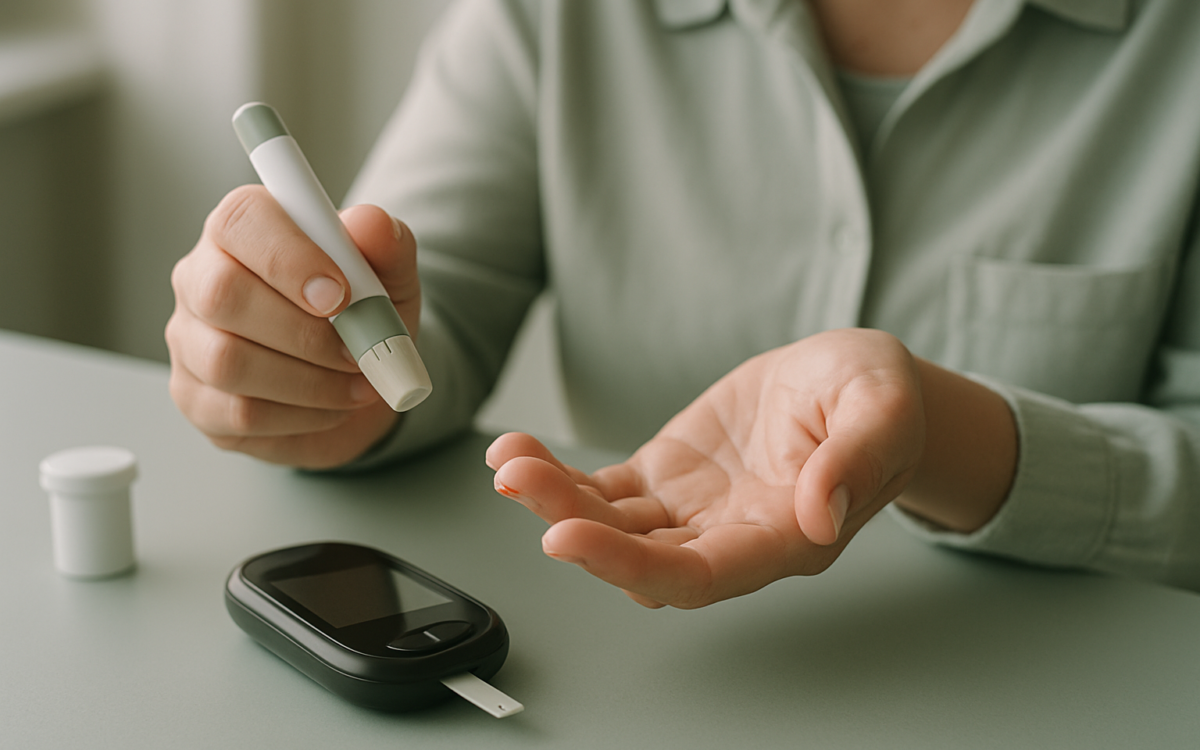
Diabetes is a chronic condition affecting millions of people worldwide. In the U.S. alone, over 34 million individuals have diabetes, but many remain unaware they have it. Recognizing the symptoms early on can make all the difference in managing your health. In this article, we’ll explore how to tell if you have diabetes, the different types of diabetes, and when to seek medical advice.
Understanding Diabetes
Diabetes is a condition where the body cannot effectively use insulin, a hormone necessary for converting sugar, starches, and other food into energy. Insulin controls blood sugar levels, and when the body doesn’t produce enough or doesn’t use it effectively, blood sugar levels can become dangerously high.
The Different Types of Diabetes
There are mainly three types of diabetes:
- Type 1 Diabetes: An autoimmune condition where the body attacks insulin-producing cells in the pancreas. This typically occurs in children and young adults.
- Type 2 Diabetes: The most common form, often associated with lifestyle factors or genetics, where the body becomes resistant to insulin or doesn’t produce enough.
- Gestational Diabetes: This type occurs during pregnancy and usually disappears after giving birth, but it can increase the risk of developing type 2 diabetes later.
Common Symptoms of Diabetes
Being aware of the common symptoms of diabetes can help you identify if you may be at risk:
- Excessive Thirst: Increased thirst or dry mouth can be an early sign, as high blood sugar levels lead to dehydration.
- Frequent Urination: Excess sugar in the bloodstream causes your kidneys to work extra hard, leading to increased urination.
- Extreme Fatigue: When the body isn’t able to use glucose properly, it can result in feelings of tiredness and lack of energy.
- Blurred Vision: High blood sugar can alter the shape of the lens in your eye, resulting in blurry vision.
- Unintended Weight Loss: This is common with type 1 diabetes due to the body breaking down muscle and fat for energy when it can’t utilize glucose.
- Slow Healing of Cuts and Infections: High blood sugar levels can impair the body’s natural healing processes.
Other Warning Signs to Consider
In addition to the common symptoms listed above, some individuals may also experience:
- Dark Patches on Skin: Known as acanthosis nigricans, these patches often appear in areas like the neck or armpits and may indicate insulin resistance.
- Frequent Hunger: Even after eating, individuals with diabetes may feel hungry because their cells are deprived of glucose.
- Itchy Skin: Skin that is dry or itchy can be a sign of diabetes, particularly when it is not relieved by moisturizers.
Risk Factors for Diabetes
Knowing your risk factors can help you stay vigilant. Some common risk factors for type 2 diabetes include:
- Family history of diabetes
- Being overweight or obese
- Physical inactivity
- Age (risk increases with age)
- High blood pressure or abnormal cholesterol levels
- Previous gestational diabetes
How is Diabetes Diagnosed?
If you suspect you have diabetes, it’s essential to consult a healthcare professional for a proper diagnosis. The following tests may be used:
- Fasting Blood Sugar Test: Measures blood sugar after fasting for at least eight hours.
- HbA1c Test: Provides an average of your blood sugar levels over the past two to three months.
- Oral Glucose Tolerance Test: Measures blood sugar before and after fasting and drinking a sugary solution.
According to the CDC, these tests can help determine if you have diabetes or prediabetes.
Managing Diabetes
Should you receive a diagnosis, managing diabetes is crucial in preventing complications. This may include:
- Adopting a balanced diet with controlled carbohydrate intake
- Regular physical activity
- Monitoring blood sugar levels regularly
- Taking medications as prescribed by your doctor
Making these lifestyle changes can help maintain your health and control blood sugar levels.
When to See a Doctor
If you experience any of the symptoms mentioned or believe you may be at risk for diabetes, it’s vital to consult a healthcare professional. Early diagnosis can lead to effective management and reduce the risk of complications like heart disease, kidney issues, or nerve damage. Remember, never hesitate to reach out for support and information regarding your health.
Staying informed and proactive about your health is essential. If you notice any signs of diabetes or have questions about your risk factors, reach out to a medical professional to discuss your concerns.
