
Flexibility is more than just a measure of how far you can bend or stretch. It plays a vital role in your overall health and well-being. From improved posture and coordination to better athletic performance, becoming more flexible can enhance your daily life in numerous ways. Here, we’ll explore what flexibility is, why it’s important, and a variety of practical methods you can use to improve it.
What is Flexibility?
Flexibility refers to the ability of your muscles and joints to move through their full range of motion. It varies from person to person, influenced by factors such as genetics, age, and activity level. While some people may naturally be more flexible, anyone can improve their flexibility with dedication and the right techniques.
Why Is Flexibility Important?
Improving your flexibility has several benefits:
- Injury Prevention: Flexible muscles and joints are less likely to become injured during physical activity or daily tasks.
- Improved Posture: Regular stretching can help align your spine and improve your overall posture, reducing back pain.
- Enhanced Performance: Athletes often experience improved performance in their respective sports when they maintain good flexibility, allowing for better movements and reduced risk of strains.
- Stress Relief: Stretching exercises promote relaxation, helping to ease tension in your muscles and mind.
As noted by the National Institutes of Health, incorporating flexibility training into your routine can yield long-term benefits.
Types of Stretching Techniques
There are various stretching techniques you can use to improve flexibility, each with its own focus and benefits:
1. Static Stretching
This involves gently stretching a muscle to its furthest point and holding that position for 15-60 seconds. It’s often effective after workouts when muscles are warm. Examples include:
- Hamstring stretch
- Quadriceps stretch
- Shoulder stretch
2. Dynamic Stretching
Dynamic stretching includes active movements that stretch the muscles without holding a position. This approach prepares your body for exercise and helps improve flexibility over time. Examples include:
- Leg swings
- Arm circles
- Torso twists
3. Proprioceptive Neuromuscular Facilitation (PNF)
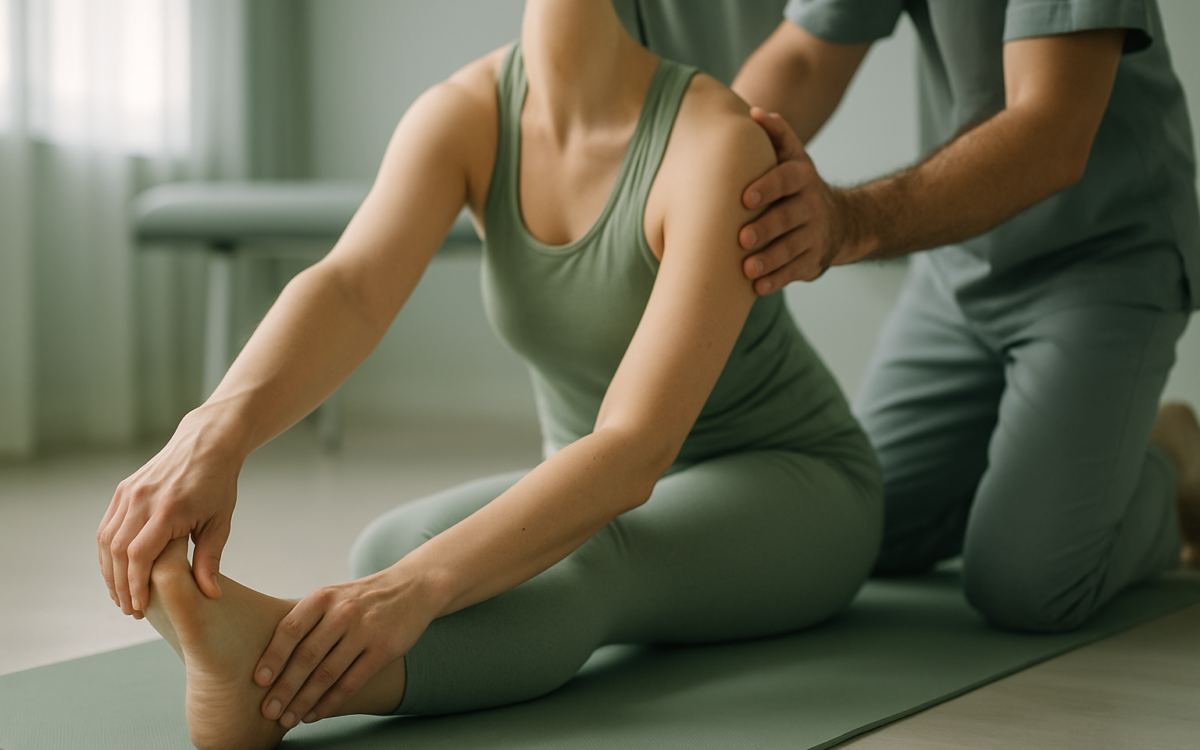
This advanced stretching technique involves both stretching and contracting the muscle group being targeted. It typically requires a partner to help with the stretching. PNF is known for its effectiveness in increasing flexibility.
Incorporating Flexibility Training into Your Routine
Improving flexibility doesn’t require hours at the gym. Here are some practical tips to include flexibility training in your daily routine:
- Start Small: Even just 5-10 minutes of stretching every day can yield significant improvements over time.
- Stretch Throughout the Day: Incorporate stretching into your breaks. Gentle stretches while working at a desk or standing in line can help maintain flexibility.
- Join a Class: Consider yoga or Pilates classes. Both are excellent for improving flexibility and can also enhance strength and relaxation.
As highlighted by the Centers for Disease Control and Prevention, flexibility training is an essential component of a well-rounded fitness program.
Be Mindful of Your Body
As you work on improving your flexibility, it’s essential to listen to your body. Here are a few tips to ensure you stretch safely:
- Avoid Pain: Stretching should never be painful. If it is, ease off until you’re comfortable.
- Warm Up: Always warm up a little before stretching to ensure your muscles are ready. A brisk walk or light jog can work wonders.
- Be Consistent: Flexibility takes time to improve, so be patient and practice regularly.
When to See a Doctor
While flexibility training is largely safe, it’s essential to consider a few factors:
- If you experience persistent pain, discomfort, or swelling in your joints or muscles.
- If you have underlying medical conditions or injuries that may be aggravated by stretching.
Always consult your doctor or a physical therapist if you’re unsure about which exercises are right for you.
Conclusion
Improving flexibility is a journey that brings many rewards, from enhanced athletic performance to reduced risk of injuries. By incorporating various stretching techniques into your routine, staying consistent, and listening to your body, you can unlock your body’s potential for greater mobility and comfort in daily activities. Remember, it’s never too late to start, so make flexibility training a joyful part of your life!
