
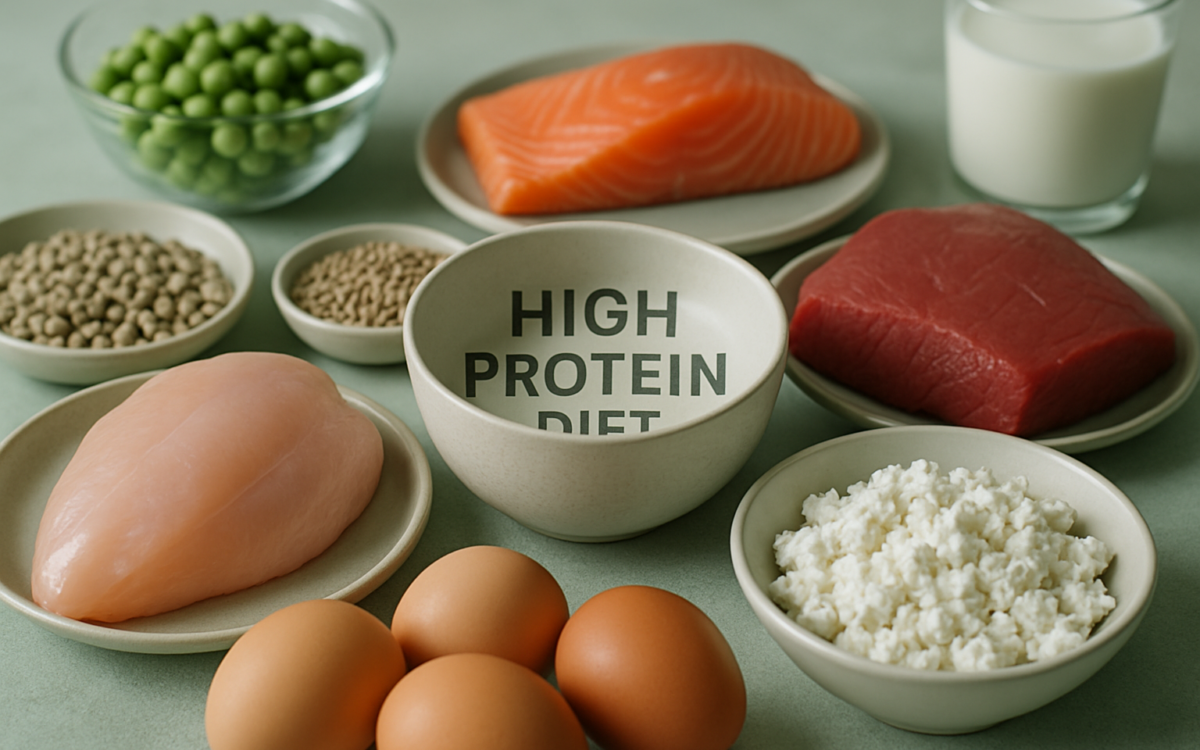
The idea of a high protein diet has gained popularity among health enthusiasts, fitness lovers, and those looking to manage their weight. But what exactly does it mean? A high protein diet typically emphasizes foods rich in protein, a vital macronutrient that plays numerous roles in our bodies. From building muscles to supporting immune function, protein is fundamental for overall health. In this article, we’ll explore what a high protein diet entails, its benefits, potential downsides, and how to incorporate it into your meals while ensuring a balanced intake.
Understanding Protein
Before diving into the specifics of a high protein diet, it’s essential to understand what protein is and why it’s crucial. Protein consists of amino acids, which are the building blocks for various tissues in your body, including muscles, skin, and organs. There are 20 different amino acids, 9 of which are essential, meaning your body cannot produce them, and you must obtain them through your diet.
Benefits of a High Protein Diet
A high protein diet can offer several benefits that may support your health and wellness goals:
- Muscle Building and Repair: Consuming adequate protein is essential for muscle growth, recovery, and repair, especially after exercise. This makes it popular among athletes and those who partake in regular physical activity.
- Weight Management: High protein intake can help you feel full longer, potentially reducing overall calorie intake. This satiety can make it easier to manage weight, as you might be less likely to snack on less nutritious foods.
- Boosting Metabolism: A diet rich in protein may help your body use more energy to digest and metabolize food, known as the thermic effect of food (TEF), which can support weight loss efforts.
- Improved Bone Health: Some studies suggest that higher protein intake may enhance bone health by improving calcium retention and supporting bone density, thereby reducing the risk of osteoporosis.
Sources of Protein
When considering a high protein diet, it’s helpful to know the various sources of protein available. Here are a few options:
Animal-Based Sources
- Meat: Chicken, turkey, beef, and pork are all excellent sources of protein.
- Fish: Salmon, tuna, and other types of seafood offer not only protein but also healthy fats.
- Dairy: Milk, yogurt, and cheese are rich in protein and also provide calcium.
Plant-Based Sources
- Legumes: Beans, lentils, and chickpeas are great sources of protein and also high in fiber.
- Nuts and Seeds: Almonds, walnuts, chia seeds, and hemp seeds provide protein along with healthy fats.
- Whole Grains: Quinoa, farro, and barley contain more protein than traditional grains like rice and wheat.
Incorporating Protein into Your Diet
Making a transition to a high protein diet can be smooth with a few simple strategies:
- Start Your Day with Protein: Consider protein-rich breakfasts like eggs, Greek yogurt, or smoothies with added protein powder.
- Snack Wisely: Choose snacks that include protein such as mixed nuts, cottage cheese, or hummus with veggies.
- Choose Protein-Rich Foods at Meals: When preparing meals, aim to fill half your plate with protein-rich foods and add vegetables for balance.
Considerations and Potential Downsides
While a high protein diet has numerous benefits, there are considerations to keep in mind:
- Kidney Health: Individuals with pre-existing kidney conditions may need to be cautious about high protein intake, as excessive protein can strain kidney function.
- Bone Health: Some studies suggest that high protein intake may lead to increased calcium excretion, raising concerns about bone health in certain individuals.
- Diet Balance: Focus on consuming a variety of foods to ensure you’re getting other essential nutrients, including carbohydrates and fats, which are necessary for overall health.
When to See a Doctor
If you’re considering switching to a high protein diet, it’s wise to consult your healthcare provider, especially if you have existing health concerns, like kidney issues or other chronic conditions. They can provide insights tailored to your specific health needs.
In summary, a high protein diet can be beneficial for various health goals, including muscle gain, weight management, and improved metabolism. By incorporating a variety of protein-rich foods into your daily routine, you can support your body’s needs while reaping the rewards of this dietary approach. Always remember to balance your diet with other essential nutrients and consult medical professionals when making significant changes to your dietary habits.
