
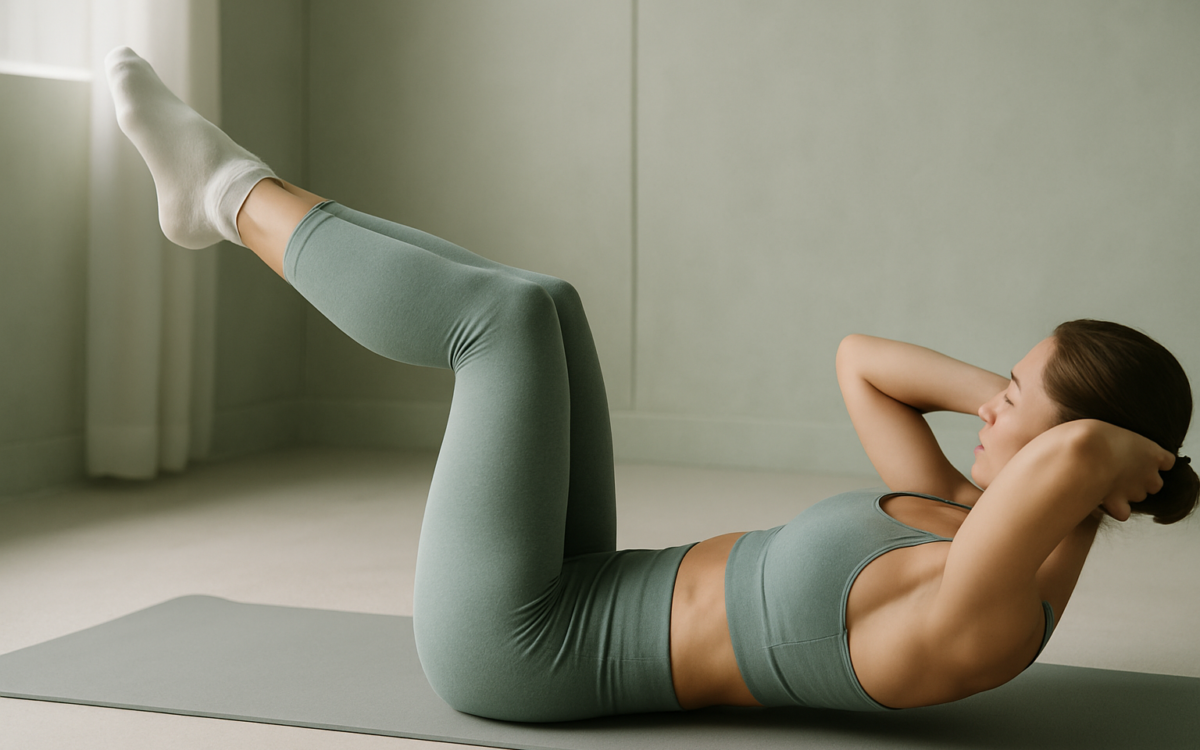
A strong core not only enhances athletic performance but also supports everyday movements, improves posture, and reduces the risk of injury. One area that often gets overlooked is the lower abdominal muscles, which play a critical role in stabilizing the body. Focusing on lower ab exercises can help you achieve a well-balanced core. Let’s explore effective techniques, benefits, and tips for incorporating these exercises into your routine.
Understanding Your Core Muscles
Your core is made up of several muscles, including the rectus abdominis, transverse abdominis, and obliques. The lower abdominals are the lower section of the rectus abdominis, which are vital for maintaining stability and posture. Engaging these muscles can lead to better performance in sports and daily activities while also shaping a more toned midsection.
Top Lower Ab Exercises
Here are some highly effective exercises that specifically target your lower abs. Remember to focus on form and control to maximize benefits and reduce the risk of injury.
1. Leg Raises
This exercise effectively engages the lower abdominal muscles and promotes overall core strength. Here’s how to perform it:
- Lie flat on your back with your legs fully extended and arms at your sides.
- Slowly raise your legs towards the ceiling while keeping them straight.
- Lower your legs back down without letting them touch the ground, and repeat.
2. Reverse Crunches
Reverse crunches focus on isolating the lower abs while minimizing strain on the back.
- Start by lying on your back with your knees bent at 90 degrees.
- Use your lower abs to lift your hips off the ground, curling your pelvis towards your belly button.
- Slowly lower back down, maintaining control throughout the movement.
3. Mountain Climbers
A dynamic exercise that engages your lower abs, mountain climbers also boosts your heart rate.
- Begin in a push-up position with your hands under your shoulders.
- Bring one knee towards your chest, then quickly switch legs while maintaining a steady pace.
- Focus on keeping your core tight to stabilize your body.
4. Flutter Kicks
Flutter kicks are a great way to challenge your lower abs while engaging your hip flexors.
- Lie on your back with your hands under your glutes for support.
- Lift your legs about six inches off the ground and alternate kicking them up and down.
- Keep your core engaged and lower back pressed against the floor.
5. Plank with Leg Lift
This variation on the traditional plank adds a challenge to your core stability while targeting your lower abs.
- Start in a standard plank position.
- Slowly lift one leg towards the ceiling, keeping your core engaged and hips stable.
- Lower your leg back down and repeat on the opposite side.
Creating a Balanced Routine
To effectively strengthen your lower abs, it’s important to include these exercises in a balanced fitness routine. Aim for a mix of strength training, cardiovascular exercise, and flexibility work. Here are some additional tips:
- **Start Slow**: If you’re new to core training, begin with a few sets of each exercise and gradually increase the intensity.
- **Pair with Upper Ab Exercises**: Combine lower ab exercises with upper ab and oblique workouts for a comprehensive core routine.
- **Listen to Your Body**: Pay attention to how your body feels when performing these exercises; avoid any that cause pain.
- **Rest and Recover**: Give your muscles time to rest between sessions to prevent fatigue and overuse injuries.
Benefits of Strengthening Lower Abs
Focusing on your lower abs has multiple benefits beyond aesthetics. Here are a few:
- **Improved Stability**: Strengthened lower ab muscles enhance overall stability, benefiting activities like running and weightlifting.
- **Better Posture**: A strong core contributes to improved posture, which can alleviate back pain and discomfort.
- **Enhanced Athletic Performance**: A strong core can improve overall athletic performance, making sports and physical activities more enjoyable.
- **Injury Prevention**: Strengthening your core can help prevent injuries, especially in the back and hips, by providing better support during movement.
When to See a Doctor
If you experience persistent pain or discomfort during these exercises, it is advisable to consult a healthcare provider. Additionally, if you have any pre-existing conditions or are unsure about starting a new fitness regimen, check in with a doctor or physical therapist for personalized guidance.
Conclusion
Integrating lower ab exercises into your routine can enhance your core strength and promote overall fitness. Start slow, focus on form, and enjoy the journey to a stronger core. Remember, patience and consistency are key to seeing results. Consult your doctor if you have any concerns about your exercise routine, especially if you’re new to fitness.
For more information on core exercises and health-related topics, check out resources like the National Institutes of Health (NIH) or Mayo Clinic.
