
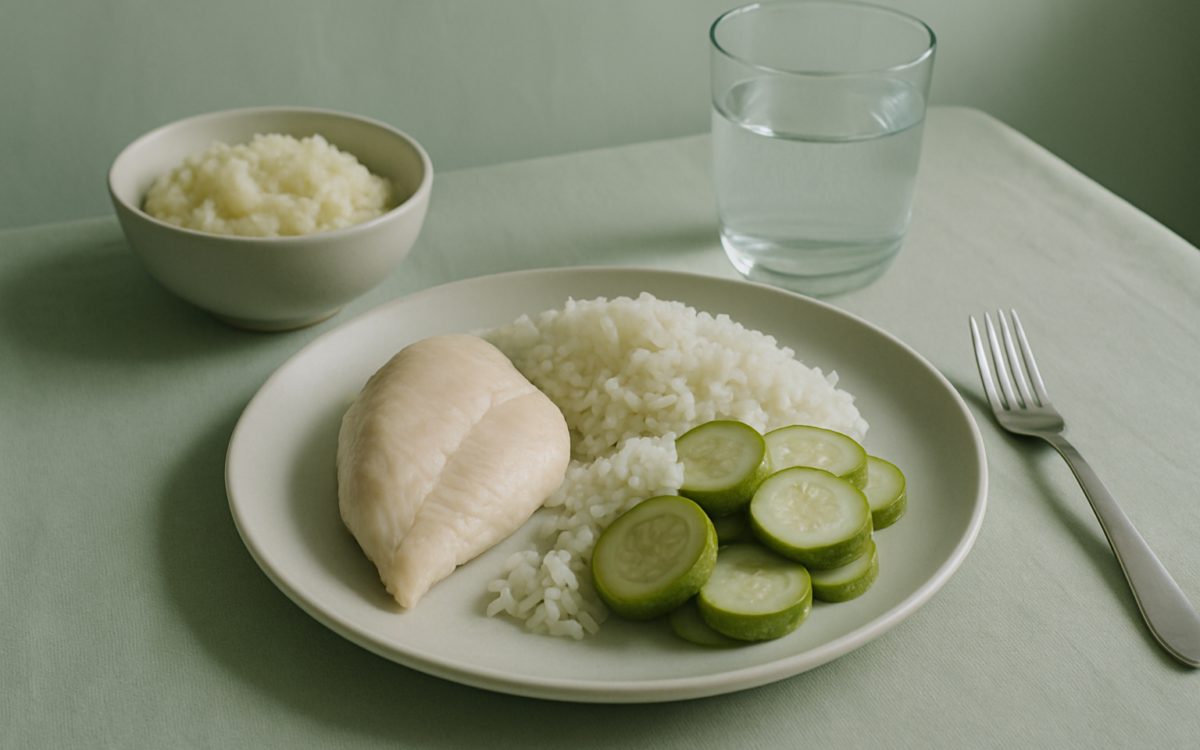
The bland diet is often recommended for people experiencing digestive discomfort or recovering from certain health conditions. It consists of easily digestible foods that are low in fiber, fat, and spices. While it may seem restrictive, the bland diet serves a purpose: to give your digestive system a chance to rest and heal. In this article, we will explore what a bland diet entails, its benefits, suitable foods, and when it may be necessary to consult a doctor.
What Is a Bland Diet?
A bland diet includes foods that are gentle on the stomach. It is particularly useful for individuals dealing with gastrointestinal issues such as nausea, diarrhea, heartburn, or other digestive disorders. The primary goal of this diet is to minimize stomach irritation and promote healing.
Typically, the bland diet excludes any food that is spicy, fatty, or high in fiber. Foods that are overly processed or rich in sugar may also be avoided. This simpler diet can ease symptoms and help when recovering from surgery or illness.
Foods Included in a Bland Diet
When following a bland diet, focusing on specific food groups can help maintain nutritional balance. Here are some food items often included:
- Grains: White rice, plain pasta, and bread without seeds or whole grains.
- Protein: Lean meats such as chicken and turkey, eggs, and fish.
Tip: Opt for baking or boiling these protein options rather than frying. - Dairy: Low-fat dairy products like yogurt and cottage cheese (if tolerated), but be cautious with full-fat options.
- Fruits and Vegetables: Applesauce, bananas, and cooked carrots are good choices. Steer clear of raw fruits and vegetables that may be harder to digest.
- Liquids: Clear broths, herbal teas, and water can help maintain hydration.
When Is a Bland Diet Recommended?
Healthcare professionals often recommend the bland diet in the following scenarios:
- After Surgery: Patients recovering from abdominal surgery may need a bland diet to ease the digestive process.
- Gastrointestinal Distress: Individuals with conditions like gastritis, peptic ulcers, or irritable bowel syndrome (IBS) often find relief with a bland diet.
- Food Intolerances: Those experiencing sensitivity to specific foods or ingredients might benefit from a bland diet.
The National Institute of Diabetes and Digestive and Kidney Diseases provides further information on when to consider a bland diet. For more details, check their resources at NIDDK.
Benefits of Following a Bland Diet
The bland diet offers several advantages, especially for those dealing with digestive issues:
- Reduced Symptoms: By avoiding irritating foods, you may experience less nausea, heartburn, and abdominal pain.
- Enhanced Digestion: Easy-to-digest foods can be gentler on the stomach, allowing for smoother digestion.
- Gradual Reintroduction: Once recovery begins, this diet allows for a gradual return to regular eating habits.
Challenges and Limitations of a Bland Diet
While a bland diet can provide relief, it does come with its challenges:
- Restricted Choices: The limited variety may lead to nutritional deficiencies if followed for an extended period.
- Potential Boredom: Eating the same foods can become monotonous and might affect appetite.
- Individual Responses: Each person’s digestive system is unique, and some may find certain bland foods more challenging than others.
Consulting a healthcare provider or registered dietitian can help create a balanced meal plan while on a bland diet.
Tips for Following a Bland Diet
To make the most of a bland diet, here are some helpful tips:
- Plan Meals: Planning daily meals can help ensure a variety of nutrients while avoiding irritants.
- Stay Hydrated: Drink plenty of fluids to support digestion and avoid dehydration.
- Listen to Your Body: Pay attention to how different foods affect your symptoms. Adjust your diet as needed.
- Gradual Transition: Consider slowly reintroducing more complex foods once you begin feeling better.
When to See a Doctor
It is crucial to consult a healthcare professional if digestive issues persist despite following a bland diet. If you experience severe pain, prolonged nausea, vomiting, or diarrhea lasting more than a few days, seek medical help. These symptoms may indicate underlying conditions that need attention.
Conclusion
The bland diet can be a valuable tool for those dealing with digestive issues, offering a pathway toward comfort and recovery. Although it features limited food choices, understanding its purpose and benefits can help you navigate your dietary needs effectively. Always consult with a medical professional to ensure that this diet is appropriate for your situation and to learn how to safely transition back to a more diverse eating pattern.
