
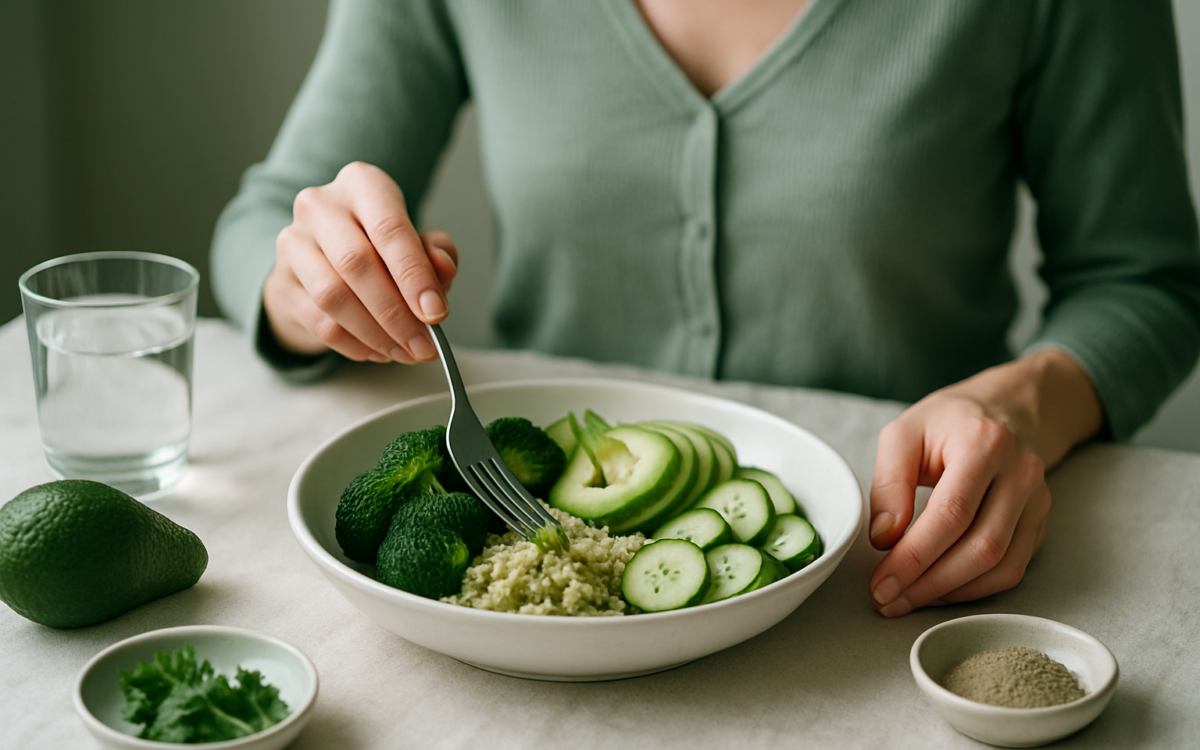
Swelling, or inflammation, is a natural response of your body to injury or illness. However, chronic swelling can lead to various health issues, including arthritis, heart disease, and diabetes. One way to combat this persistent inflammation is through an anti-swelling diet. By focusing on certain foods and nutrients, you can help reduce inflammation and improve your overall health.
Understanding Inflammation
Inflammation is the body’s way of protecting itself from harm. It’s part of the healing process, but when it becomes chronic, it can lead to more health problems. Factors such as diet, stress, and environmental toxins can contribute to chronic inflammation. Understanding the role of diet in inflammation is crucial for making better food choices.
Foods to Include in Your Anti-Swelling Diet
Incorporating specific foods into your diet can help combat swelling. Here are some key food groups to focus on:
- Fruits and Vegetables: These are high in antioxidants, which help neutralize free radicals that cause inflammation. Berries, cherries, spinach, kale, and broccoli are excellent choices.
- Healthy Fats: Foods rich in omega-3 fatty acids, such as salmon, walnuts, and flaxseeds, can help reduce inflammation. Olive oil is also a great source of healthy fat.
- Whole Grains: Unlike refined grains, whole grains such as brown rice, quinoa, and oats contain fiber and nutrients that support a healthy inflammation response.
- Legumes: Beans and lentils are not only protein-rich but also packed with fiber and antioxidants, making them fantastic additions to your diet for reducing swelling.
- Spices: Certain spices like turmeric and ginger have anti-inflammatory properties. Adding these to your meals can enhance flavor while also providing health benefits.
Foods to Avoid
Just as important as knowing what to eat is understanding what to avoid. Some foods can trigger or worsen inflammation. Consider limiting or eliminating these from your diet:
- Processed Foods: Foods high in trans fats, sugar, and artificial additives can promote inflammation. This includes pre-packaged snacks, sugary beverages, and fast food.
- Red and Processed Meats: While they can be part of a balanced diet in moderation, excessive consumption of red and processed meats has been linked to higher inflammation levels.
- Refined Carbohydrates: White bread, pastries, and other refined carbohydrates can spike your blood sugar and lead to swelling.
- Excessive Alcohol: While moderate consumption may have some health benefits, excessive alcohol intake can increase inflammation and negatively impact your health.
Hydration Matters
Staying hydrated is essential for overall health and can also mitigate swelling. Water helps flush out toxins and excess salt, which can contribute to swelling. Aim for at least eight 8-ounce glasses of water daily, or more if you’re active or live in a hot climate.
Creating a Balanced Meal Plan
Planning your meals with these principles in mind can help you stick to an anti-swelling diet. Start by creating a weekly meal plan that includes a variety of foods from the categories mentioned. Here’s a simple meal idea for inspiration:
Sample Daily Menu
- Breakfast: Oatmeal topped with fresh berries and a sprinkle of cinnamon.
- Lunch: A salad with leafy greens, chickpeas, avocado, cherry tomatoes, and olive oil dressing.
- Snack: A small handful of walnuts and an apple.
- Dinner: Grilled salmon, steamed broccoli, and quinoa.
Additional Lifestyle Tips
Beyond diet, there are other lifestyle choices that can help minimize inflammation:
- Regular Exercise: Engaging in moderate exercise can help reduce inflammation and improve overall health.
- Stress Management: High stress can contribute to inflammation. Practices like yoga, meditation, or mindfulness can be beneficial.
- Adequate Sleep: Aim for 7-9 hours of quality sleep per night, as insufficient sleep can lead to increased inflammation.
When to See a Doctor
If you experience swelling that persists or is associated with other symptoms, such as pain, redness, or heat, it’s essential to consult a healthcare professional. Chronic swelling could indicate an underlying condition that needs medical attention. Always discuss any significant changes to your diet or lifestyle with your doctor, especially if you have existing health conditions.
Conclusion
An anti-swelling diet is a powerful way to combat inflammation and promote better health. By incorporating the right foods, avoiding triggers, and embracing a balanced lifestyle, you can significantly improve your well-being. Remember, every small change can lead to big improvements over time! For more information on inflammation and diet, check resources from reputable organizations like the NIH or Mayo Clinic.
