
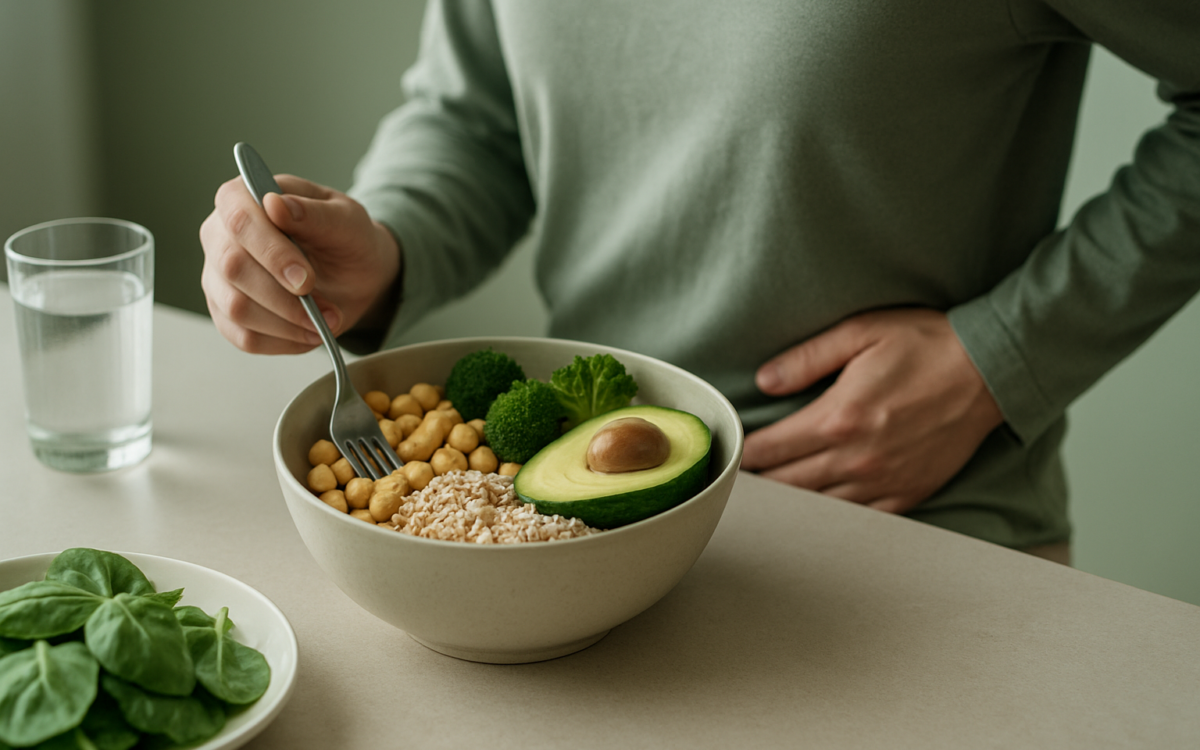
Anal fissures can be a painful and uncomfortable condition affecting many people. These small tears in the anal lining can lead to sharp pain during bowel movements, sometimes accompanied by bleeding. One of the best ways to manage and even prevent anal fissures is through diet, particularly by incorporating high-fiber foods into your meals.
Understanding Anal Fissures
Before diving into the benefits of a high fiber diet, it’s essential to understand what anal fissures are and how they occur. Anal fissures often happen due to trauma or straining during bowel movements. Poor dietary choices that lead to constipation contribute significantly to this condition. Additionally, factors like dehydration, certain medical conditions, and prolonged diarrhea can increase your risk of developing anal fissures.
How a High Fiber Diet Helps
A high fiber diet can play a crucial role in preventing and managing anal fissures. Fiber is a type of carbohydrate that the body cannot digest, which means it passes through the digestive system intact. Here’s how fiber benefits your bowel movements:
- Softens Stool: Fiber adds bulk to your stool, making it softer and easier to pass. This reduces straining during bowel movements, which is a significant contributor to fissure formation.
- Increases Regularity: A fiber-rich diet can help regulate your bowel movements, making them more predictable and reducing the chance of constipation, which is another common cause of anal fissures.
- Promotes Gut Health: Fiber not only keeps your intestines moving efficiently but also supports beneficial gut bacteria that can enhance overall digestive health.
What Foods to Include in a High Fiber Diet
Incorporating fiber into your diet can be both delicious and satisfying. Here are some fiber-rich foods you might consider adding:
- Fruits: Berries, oranges, apples, and bananas are great options. Berries, in particular, are very high in fiber.
- Vegetables: Leafy greens, carrots, broccoli, and Brussels sprouts are packed with nutrients and fiber.
- Legumes: Beans, lentils, and chickpeas are excellent sources of fiber and can be added to salads, soups, or main dishes.
- Whole Grains: Foods made from whole grains like brown rice, oatmeal, and whole grain bread and pasta are beneficial, as they retain more fiber compared to their refined counterparts.
- Nuts and Seeds: Almonds, chia seeds, and flaxseeds provide healthy fats and fiber, making them a great snack or addition to meals.
Tips for Increasing Fiber Intake
Boosting your fiber intake doesn’t have to be overwhelming. Here are some practical tips:
- Start Slow: If you’re not used to a high fiber diet, increase your fiber intake gradually to avoid digestive discomfort. Your body needs time to adjust.
- Stay Hydrated: Drinking plenty of water is crucial when consuming more fiber. It helps prevent constipation and supports overall digestion.
- Read Food Labels: Choose products that list whole grains and fiber as primary ingredients. Aim for foods that contain at least 3 grams of fiber per serving.
- Add Fiber to Meals: Incorporate fiber-rich foods into every meal. Toss vegetables into your morning omelet or add beans to your salad.
Potential Challenges of High Fiber Diets
While a high fiber diet offers many benefits, there can be challenges as well. Some people may experience bloating or gas when they increase their fiber intake. These symptoms can often be managed by increasing fiber slowly and ensuring adequate hydration. It’s also worthwhile to diversify your fiber sources, as different types of fiber (soluble and insoluble) provide various health benefits.
When to See a Doctor
If you are experiencing anal fissures, persistent pain during bowel movements, or bleeding, it is important to consult a healthcare provider. They can offer personalized advice and evaluate whether additional treatment options are necessary. Persistent issues may require medical intervention beyond dietary adjustments.
Conclusion
Managing anal fissures through diet can be an effective strategy to alleviate symptoms and prevent further incidents. A high fiber diet not only helps keep your stool soft and regular but also promotes overall digestive health. By making mindful food choices and gradually increasing your fiber intake, you can take a proactive approach to managing this common yet painful condition. Always remember, it’s best to consult your doctor for guidance tailored to your individual health needs.
