
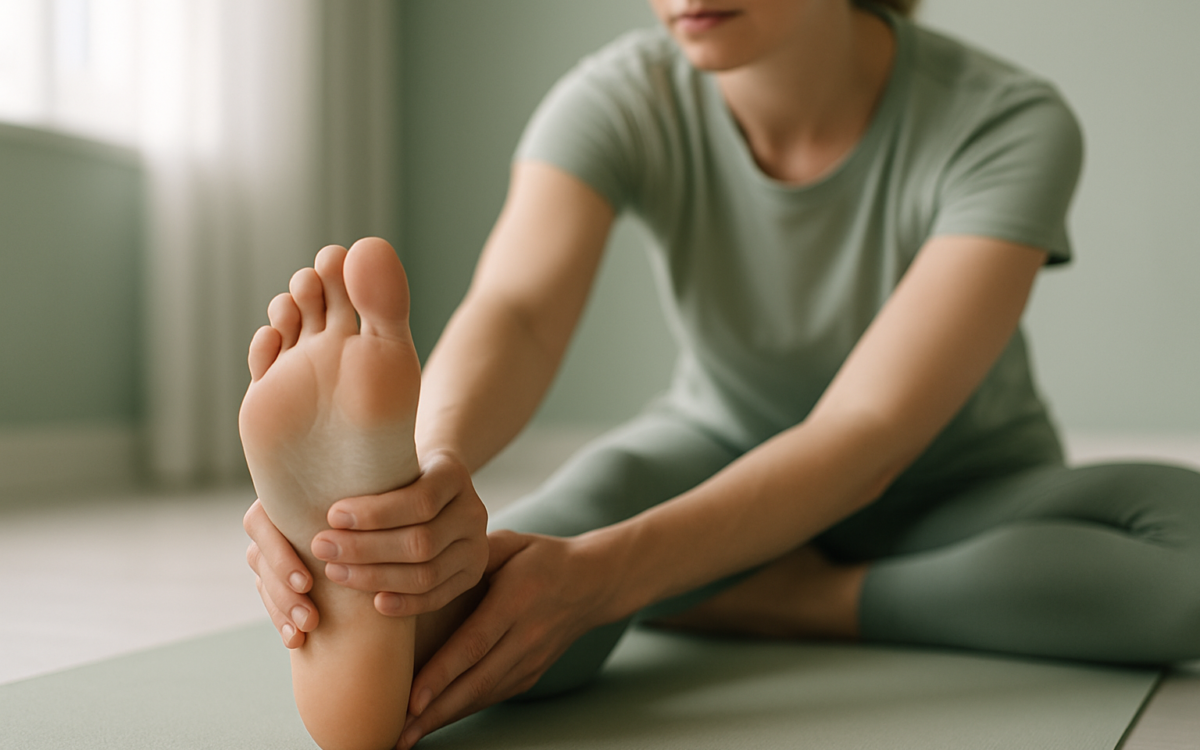
In our fast-paced lives, it can be easy to overlook the importance of stretching. However, incorporating stretching exercises into your routine can significantly enhance your flexibility, improve posture, and even reduce the risk of injuries. Whether you’re an athlete or someone who leads a more sedentary lifestyle, understanding the fundamentals of stretching can pave the way to better health and fitness.
The Benefits of Stretching Exercises
Stretching isn’t just about bending and reaching; it offers a myriad of benefits that can enhance your overall well-being. Here are some key advantages:
- Increases Flexibility: Regular stretching helps to lengthen muscles and improve your range of motion.
- Reduces Muscle Tension: Stretching relaxes the muscles, helping to alleviate tension built up over the day.
- Improves Posture: Stretching can correct posture imbalances caused by prolonged sitting or standing.
- Enhances Athletic Performance: Increased flexibility can improve movement efficiency, helping athletes perform better.
- Decreases Risk of Injury: Flexible muscles are less likely to get injured during physical activity.
- Promotes Relaxation: Stretching can alleviate stress and promote a state of relaxation, benefiting both mind and body.
Types of Stretching Exercises
Understanding the different types of stretching can help you tailor your routine to meet your fitness goals. Here are the most common types:
Static Stretching
This involves stretching a muscle to its furthest point and holding the position for a period, typically 15 to 60 seconds. Static stretches are great for improving flexibility and are often performed after workouts.
Dynamic Stretching
Dynamic stretching involves moving parts of your body and gradually increasing reach, speed, or both. This type of stretching is commonly used during warm-ups and can prepare your body for intense physical activity.
Ballistic Stretching
Ballistic stretching includes bouncing movements to push your muscles beyond their normal range. While effective, it can also be risky if not performed with caution. It’s best for athletes who are already familiar with their body’s limits.
PNF Stretching
Proprioceptive Neuromuscular Facilitation (PNF) involves stretching a muscle, then contracting it before stretching it further. This method often requires a partner but can yield significant improvements in flexibility.
Essential Stretching Exercises to Try
If you’re new to stretching or looking to enhance your current routine, here are several essential stretches to include:
1. Hamstring Stretch
Stand tall and place one foot on a low bench or chair. Keep your leg straight as you gently lean forward until you feel a stretch in your hamstring. Hold for 15-30 seconds, then switch sides.
2. Quadriceps Stretch
Stand while holding onto a wall or railing for balance. Bend one knee and grab your ankle, gently pulling it toward your buttock. Keep your knees close together and hold the stretch for 15-30 seconds. Switch sides.
3. Shoulder Stretch
Stand or sit up straight and extend one arm across your body at shoulder height. With your other hand, gently pull the extended arm closer to your chest. Hold for 15-30 seconds and repeat on the other side.
4. Chest Stretch
Stand tall and clasp your hands behind your back. Straighten your arms and gently lift them upwards as you open up your chest. Hold for 15-30 seconds while breathing deeply.
5. Cat-Cow Stretch
Kneel on all fours with your hands under your shoulders and knees under your hips. Inhale as you arch your back and look up (Cow), then exhale as you round your back and tuck your chin (Cat). Repeat several times to loosen the spine.
How to Incorporate Stretching into Your Routine
Adding stretching exercises into your routine doesn’t have to be overwhelming. Here are some easy tips to get started:
- Warm-Up First: Always perform a warm-up before stretching. Light jogging or brisk walking can prepare your muscles.
- Set a Schedule: Aim to include stretching at least 3 times a week, focusing on different muscle groups each session.
- Listen to Your Body: Never push yourself into pain; stretching should feel good. Go as far as comfortable.
- Make it Part of Your Day: Stretching can easily be included in your morning routine or while watching TV.
- Use Resources: Consider using apps or online resources for guided stretching routines.
When to See a Doctor
If you experience any pain that persists after stretching, or if you have a pre-existing medical condition that affects your muscles or joints, it’s advisable to consult a healthcare professional. They can help rule out any serious underlying issues and provide personalized guidance.
Conclusion
Incorporating stretching exercises into your daily routine can have a profound impact on your flexibility and overall health. Whether you aim to enhance athletic performance or simply wish to feel more comfortable in your body, stretching can help you achieve your goals. Remember to start gently, listen to your body, and enjoy the journey toward greater flexibility and well-being!
