
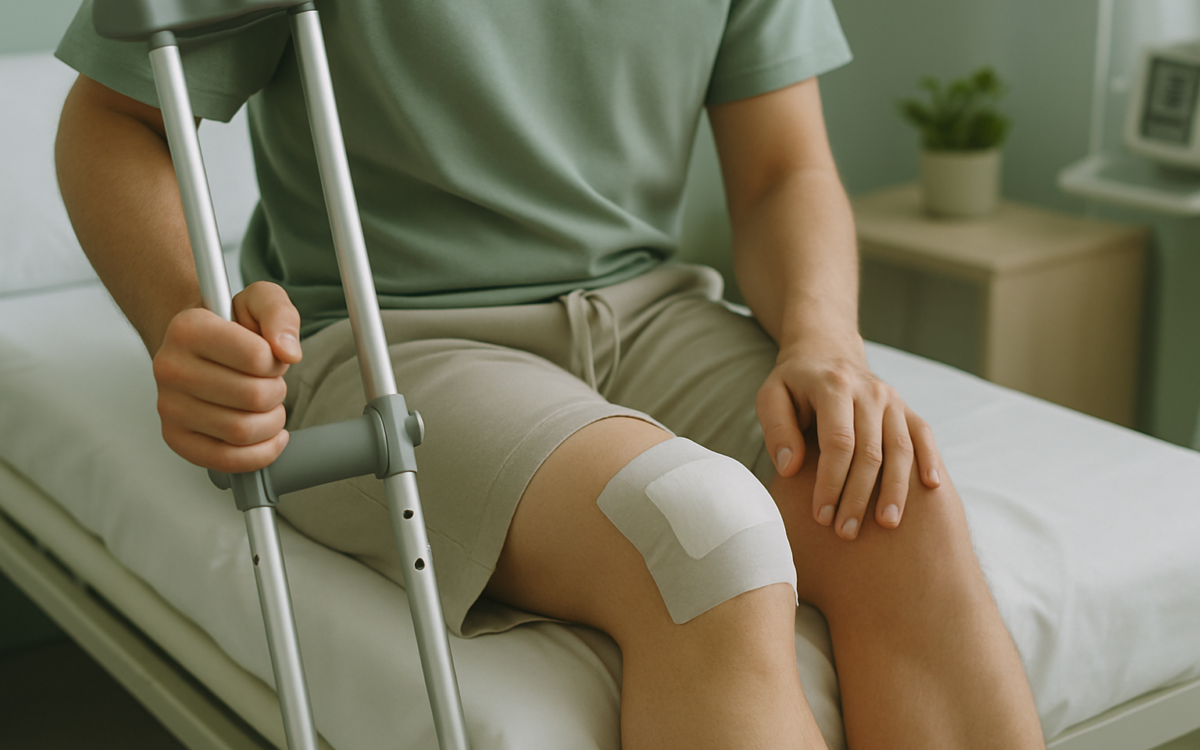
Undergoing a knee operation, whether it’s a knee replacement or a procedure to repair ligaments, can be a challenging journey. Recovery involves several stages, and knowing what to expect can make this experience smoother and less daunting. Getting back to your regular routine requires patience, commitment, and an understanding of the recovery process.
Understanding the Recovery Timeline
The timeline for recovery after a knee operation can vary widely depending on the specific procedure you had and your overall health. Generally, the recovery can be broken down into several key phases:
- Initial Recovery (1-2 weeks): This phase focuses on managing pain and reducing swelling. You may be advised to use ice, elevate your leg, and take prescribed medications.
- Early Rehabilitation (2-6 weeks): At this point, you will likely begin physical therapy to restore movement and strength. Gentle exercises will help you regain mobility.
- Progressive Recovery (6 weeks – 3 months): You’ll gradually progress to more intense physical therapy, aimed at regaining full strength and functionality.
- Long-term Recovery (3 months and beyond): Full recovery can take up to a year, depending on the individual’s circumstances. After about 3 to 6 months, many people can resume most normal activities.
Always consult with your healthcare team for a more personalized timeline based on your specific condition.
Pain Management and Medications
<pEffective pain management is crucial for a smooth recovery. Most surgeons will prescribe medications to help alleviate discomfort. Over-the-counter pain relievers like ibuprofen or acetaminophen may be recommended, but it’s essential to follow your doctor's guidelines regarding dosage and duration.
Some patients might experience swelling which can contribute to discomfort. Using ice packs as instructed and keeping your knee elevated can help reduce swelling. If your pain is unmanageable or worsens, it’s important to reach out to your healthcare provider for guidance.
The Role of Physical Therapy
Physical therapy plays a vital role in your recovery process. It typically starts within the first week after surgery. A physical therapist will guide you through exercises tailored to your specific needs. These exercises are designed to:
- Improve range of motion
- Strengthen surrounding muscles
- Enhance stability and balance
Participating in these sessions can significantly improve your recovery rate. Patients who adhere to their therapy regimes often report better outcomes in both mobility and overall knee health.
Activities to Avoid During Recovery
<pWhile it’s important to stay active during recovery, certain activities should be avoided to prevent any setbacks. Typically, you should avoid:
- High-impact exercises, such as running or jumping
- Prolonged standing or sitting without moving
- Heavy lifting or excessive bending of the knee
Engaging in low-impact activities like walking, swimming, or cycling might be advised as you progress. Always check with your doctor or physical therapist before starting any new activities.
Nutrition for Optimal Recovery
<pGood nutrition can support healing, so focus on a balanced diet rich in:
- Protein: Essential for muscle repair and strength, found in lean meats, dairy, legumes, and nuts.
- Vitamins and Minerals: Foods rich in vitamins C and D, calcium, and magnesium can contribute to bone health and recovery.
- Hydration: Staying well-hydrated is crucial for overall healing. Make sure to drink plenty of water.
Discuss with a dietitian or your doctor to tailor your nutritional plan, enabling healing and recovery.
When to See a Doctor
<pWhile some discomfort and swelling are normal following a knee operation, certain signs should prompt you to seek medical attention:
- Increased pain that is not relieved by medication.
- Persistent swelling that does not improve with elevation or ice.
- Signs of infection, such as fever, chills, or redness around the surgical site.
- Any unexpected changes in mobility or function.
Pain and discomfort are part of recovery, but serious complications require immediate attention.
Conclusion
<pRecovering from a knee operation is a gradual process that demands commitment and care. By understanding the recovery timeline, managing pain effectively, and adhering to physical therapy, you can significantly improve your chances of a successful outcome. Remember, every recovery journey is unique, so listen to your body and maintain open communication with your healthcare team throughout your healing process. With patience and diligence, you can look forward to resuming your favorite activities and enjoying a healthier lifestyle.
