
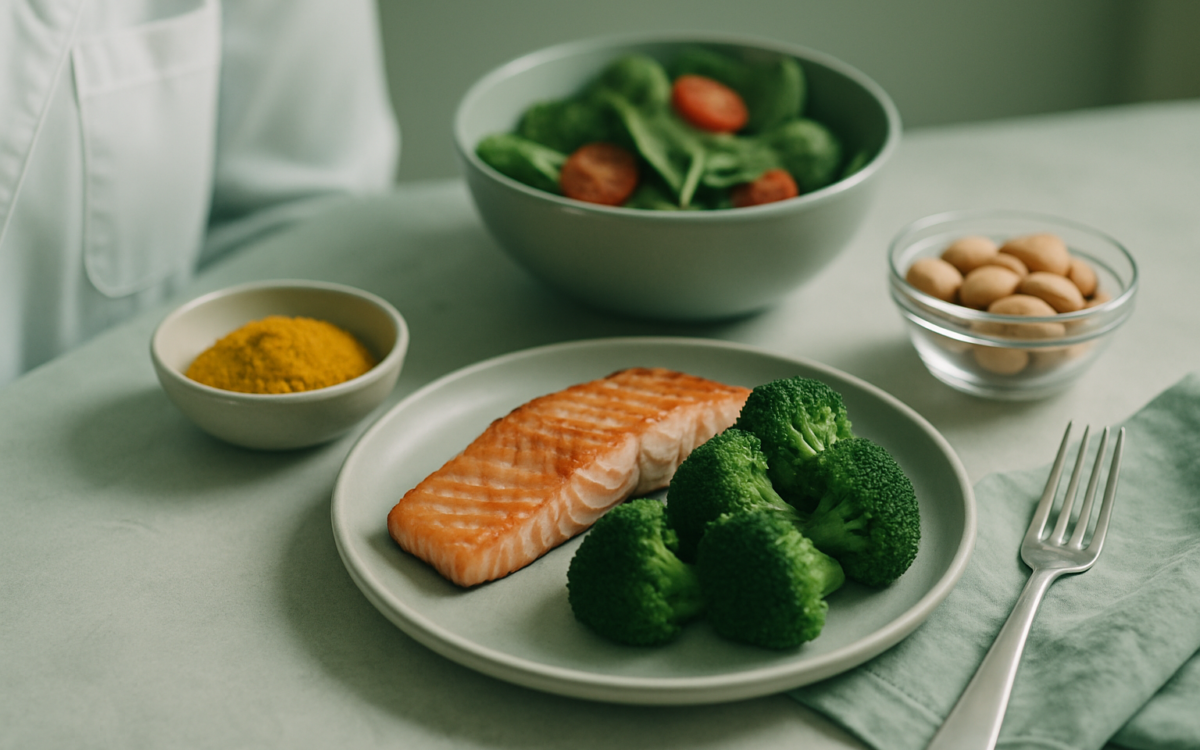
Inflammation is a natural response by the body to fight off illnesses and injuries. However, when inflammation becomes chronic, it can lead to various health issues such as heart disease, diabetes, and arthritis. The good news is that improving your diet can help manage and reduce this inflammation. An inflammation diet focuses on foods that nourish your body, promote healing, and reduce inflammatory responses. Let’s take a closer look at how you can incorporate anti-inflammatory foods into your diet.
What is the Inflammation Diet?
The inflammation diet emphasizes consuming whole, nutrient-packed foods while avoiding processed and sugary items that can trigger inflammation. By focusing on clean eating, this diet aims to support overall health and well-being.
Key Components of the Inflammation Diet
A successful inflammation diet includes a variety of foods that are known to decrease inflammation in the body. Here are some key components to consider:
- Fruits and Vegetables: Berries, leafy greens, tomatoes, and cruciferous vegetables (like broccoli and Brussels sprouts) are rich in antioxidants, vitamins, and minerals that can help fight inflammation.
- Healthy Fats: Incorporate sources of omega-3 fatty acids such as salmon, mackerel, flaxseeds, and walnuts. These fats are known for their anti-inflammatory properties.
- Whole Grains: Opt for whole grains like brown rice, quinoa, and oats instead of refined grains. Whole grains are packed with fiber which may contribute to reducing inflammation.
- Nuts and Seeds: Almonds, walnuts, chia seeds, and flaxseeds contain healthy fats, fiber, and protein that may help lower inflammation levels.
- Spices and Herbs: Turmeric and ginger are excellent choices as they contain compounds that have been shown to reduce inflammation.
Foods to Avoid
Just as important as knowing what to eat is knowing what to avoid. Certain foods can contribute to chronic inflammation and should be minimized or eliminated from your diet:
- Sugary Foods: Sweets, sodas, and baked goods made with refined sugar can lead to increased inflammation in the body.
- Processed Foods: Many processed snacks, fast food, and pre-packaged meals often contain unhealthy fats, sugars, and preservatives.
- Refined Carbohydrates: White bread, pastries, and pasta made from highly refined flour can spike blood sugar levels and contribute to inflammation.
- Excessive Alcohol: While moderate alcohol consumption may have some health benefits, excessive intake can lead to inflammation and other health issues.
Creating a Balanced Inflammation Diet
Creating a balanced inflammation diet means focusing on variety and moderation. Here are some practical tips to help you get started:
- Plan Your Meals: Take time to plan your meals for the week, ensuring that you include a range of anti-inflammatory foods.
- Cook at Home: Preparing meals at home allows you to control the ingredients, making it easier to avoid processed foods.
- Stay Hydrated: Drink plenty of water and consider herbal teas that can have anti-inflammatory effects, such as green tea.
- Seek International Perspectives: If you are considering international treatment options, explore resources like acibademinternational.com to learn about different dietary practices around the world that promote health and well-being.
Benefits of an Inflammation Diet
Adopting an inflammation diet comes with a range of potential health benefits. Here are a few notable ones:
- Reduced Risk of Chronic Diseases: A lower inflammation level can decrease the risk of heart disease, diabetes, and some types of cancer.
- Improved Mental Health: Eating nutrient-rich foods can aid brain health, potentially improving mood and cognitive function.
- Enhanced Immune Function: An anti-inflammatory diet supports the immune system, making the body more resilient against infections and diseases.
When to See a Doctor
If you experience persistent inflammation-related symptoms such as pain, swelling, or fatigue, it’s wise to consult a healthcare professional. They can help determine if an underlying health issue exists and guide you toward dietary and lifestyle changes that can improve your situation.
Conclusion
The inflammation diet encourages us to pay closer attention to what we eat, focusing on whole and nutritious foods while steering clear of those that may cause harm. By making thoughtful choices, you can support your body’s healing processes and promote overall health. Remember to consult with a healthcare professional before making significant dietary changes, as they can offer tailored advice and recommendations suited to your needs.
