
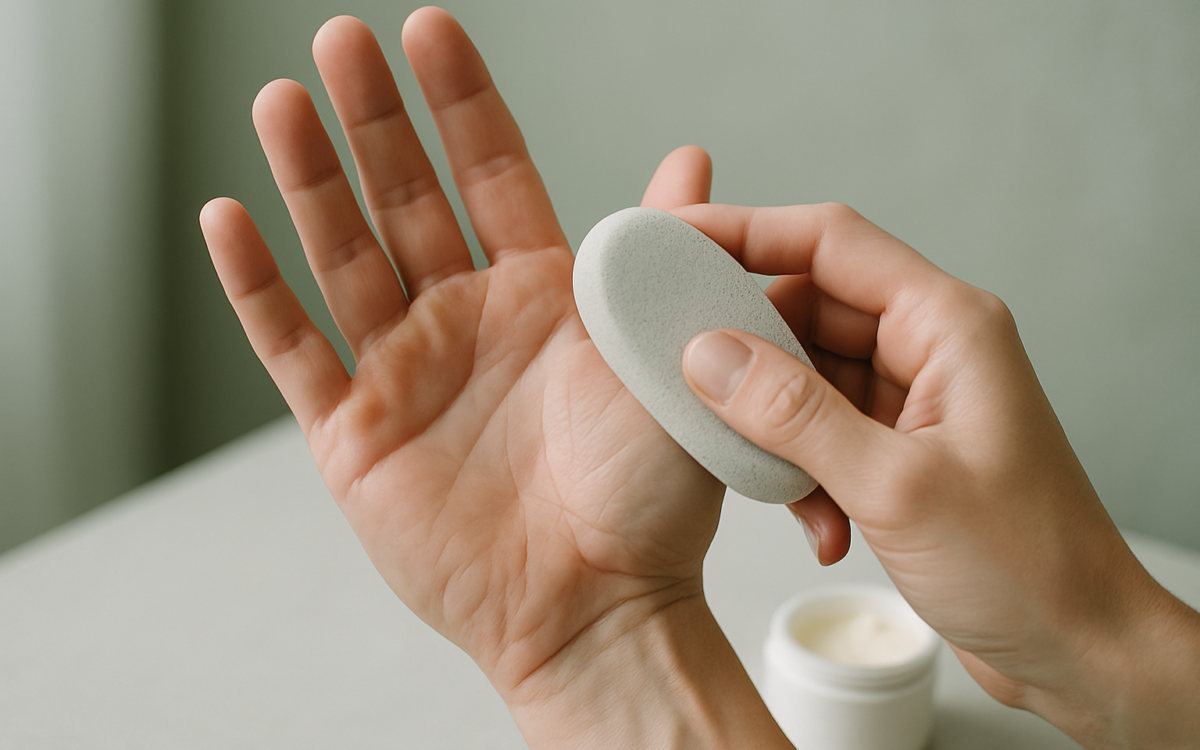
Calluses on your hands can be bothersome and uncomfortable, especially if they form due to activities that require repetitive motion, such as typing, playing musical instruments, or manual labor. Fortunately, there are several gentle and effective ways to manage and reduce calluses, restoring your hands to their natural softness.
Understanding Calluses
Calluses are thickened areas of skin that develop in response to friction, pressure, or irritation. They often appear on the palms of the hands and can be a protective mechanism for the skin. While calluses serve a purpose, they can also feel rough and unattractive. Understanding their causes can help in finding the best methods for treatment.
Simple Home Remedies
Many people find relief from calluses with simple home remedies. Here are a few you can try:
- Soaking: Soak your hands in warm, soapy water for about 10 to 15 minutes. This softens the skin, making it easier to reduce calluses.
- Pumice stone: After soaking, use a pumice stone to gently rub the calloused area. This helps to exfoliate dead skin cells.
- Moisturizing: Apply a thick moisturizer or hand cream after exfoliating. Look for products with urea or salicylic acid, which help soften the skin.
- Oils: Natural oils, such as coconut or olive oil, can provide hydration and help prevent further buildup of calluses.
Over-the-Counter Products
If home remedies aren’t giving you the relief you need, consider over-the-counter treatments. Many ointments and creams are available that can help to dissolve calluses and soothe your skin.
Look for products containing salicylic acid, which can help reduce the hardness of the callus. Other options may contain glycolic acid or lactic acid to exfoliate dead skin. Follow the instructions on the label for best results.
Preventing Calluses
Prevention is always better than cure. Here’s how to minimize the risk of developing calluses on your hands:
- Wear Protective Gear: If you engage in activities that put pressure on your hands, like playing sports or doing manual labor, wear protective gloves.
- Keep Hands Dry: Wet hands can be more susceptible to calluses. Ensure your hands are dry, especially after washing them.
- Limit Repetitive Actions: When engaging in repetitive tasks, take breaks regularly to give your hands a rest.
When to Consider Professional Help
If your calluses are painful, bleed, or show signs of infection, consider seeking professional assistance. A healthcare provider can examine your hands and recommend further treatment options. Sometimes, stubborn calluses may require professional removal to ensure that they don’t interfere with your daily activities.
International Treatment Options
If you’re considering seeking treatment in Turkey for more severe cases or want to explore innovative options, consider looking into specialized clinics that focus on dermatology and skin care. Some international facilities offer advanced solutions tailored to your needs. Visiting international clinics can provide access to unique treatments that may not be readily available in your home country. For more information on these possibilities, explore treatment in Turkey.
When to See a Doctor
While many calluses can be treated at home, it’s important to know when to seek medical attention. You should consult a healthcare professional if:
- Your calluses are painful or cause difficulty when performing daily tasks.
- They show signs of infection, such as redness, swelling, or drainage.
- You have diabetes or other underlying health conditions that affect your skin health.
Conclusion
Calluses on your hands might be a natural response to friction and pressure, but they don’t have to be a permanent part of your life. With gentle home remedies, over-the-counter options, and preventive measures, you can reduce and manage calluses effectively. Remember to consult your healthcare provider if you have concerns or if your calluses become problematic. Taking care of your hands is essential, and with the right approach, you can keep them soft and comfortable.
