
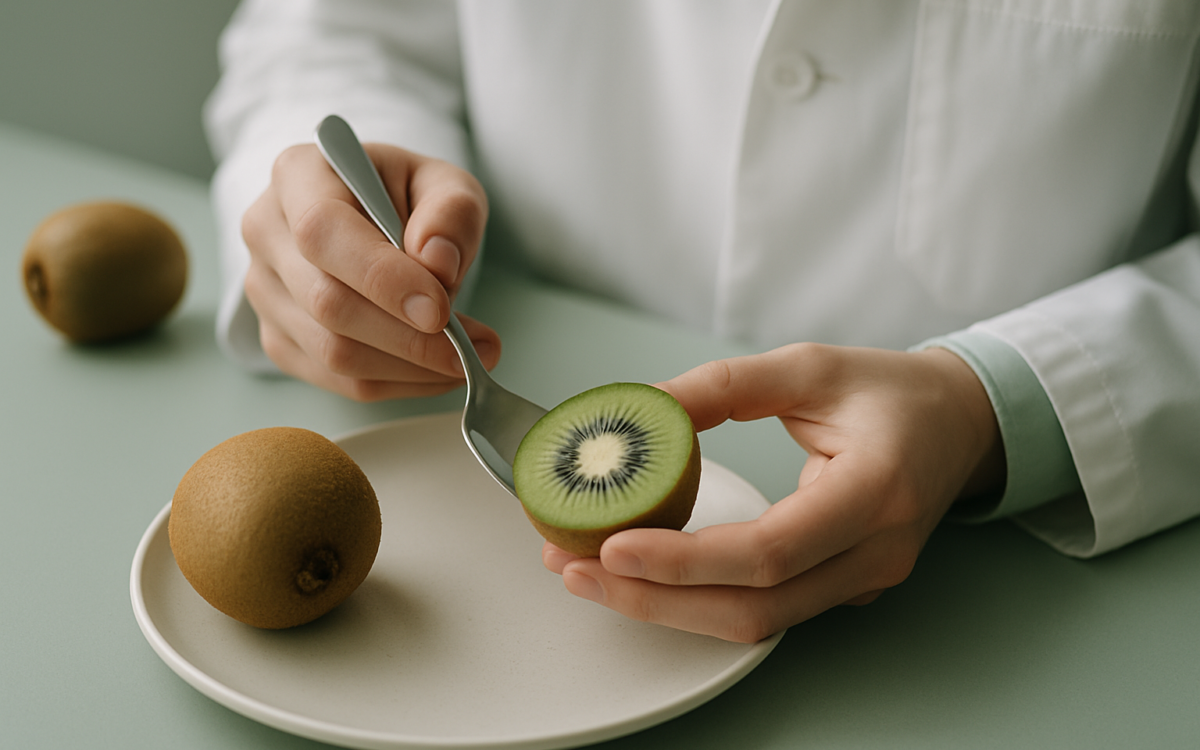
Have you ever found yourself dazzled by the fuzzy exterior and vibrant green flesh of kiwi fruit? Beyond its unique appearance, kiwi is packed with nutrients, making it a fantastic addition to your diet. Whether you’re a long-time fan or just discovering this little fruit, it’s time to learn how to enjoy kiwi fruit in various ways.
The Nutritional Powerhouse of Kiwi Fruit
Kiwi fruit is more than just a delicious snack; it’s also a nutritional powerhouse. A single medium kiwi contains:
- Approximately 61 calories
- 2.1 grams of protein
- 0.5 grams of fat
- 14.7 grams of carbohydrates
- 2.1 grams of fiber
This tiny fruit is particularly rich in vitamin C, providing over 70% of your daily requirement, along with vitamin K, vitamin E, potassium, and antioxidants. The high vitamin C content can boost your immune system and contribute to overall skin health, while potassium helps maintain healthy blood pressure levels. Studies suggest that a diet rich in fruits like kiwi can have beneficial effects on heart health and digestive function (NIH).
Choosing the Right Kiwi
When shopping for kiwi, it’s important to select ripe fruit for the best flavor and texture. Here’s how to choose the perfect kiwi:
- Look for kiwis with a slightly wrinkled skin, which indicates ripeness.
- The fruit should yield slightly to gentle pressure, similar to a ripe avocado.
- Avoid kiwis that feel hard or have blemishes, soft spots, or excessive wrinkles.
Once you bring your kiwis home, store them in a cool, dry place or in the fridge to extend their freshness. If your kiwis are not ripe yet, leave them at room temperature for a few days until they soften.
How to Prepare Kiwi Fruit
Preparing kiwi fruit is easy! Here’s a simple step-by-step guide:
- Wash the Skin: Rinse the kiwi under cool water to remove any dirt or residues.
- Peel or Slice: You can either peel the skin off with a vegetable peeler or knife or eat the kiwi with the skin on. The skin is edible and contains additional fiber and nutrients.
- Slice or Cube: Cut the kiwi into slices or cubes, depending on your preference and what you plan to use it for.
This simple preparation allows you to enjoy kiwi as a snack on its own or incorporate it into various dishes.
Delicious Ways to Enjoy Kiwi Fruit
There are countless ways to incorporate kiwi into your meals and snacks. Here are a few delightful ideas:
1. Fresh as a Snack
Enjoy kiwi on its own, either sliced or cubed. It makes for a quick, nutritious snack that’s easy to pack for lunch or an afternoon pick-me-up.
2. Smoothies
Add kiwi to your morning smoothie for a refreshing twist. Pair it with spinach, banana, and yogurt for a nutrient-rich drink.
3. Salads
Include kiwi in your salads for a burst of sweetness. It pairs well with mixed greens, nuts, and a tangy vinaigrette.
4. Breakfast Bowls
Top your oatmeal or yogurt with kiwi slices, along with other fruits, nuts, and seeds, to add flavor and nutrition to your breakfast.
5. Desserts
Use kiwi as a topping for desserts like cheesecake or pavlova, or mix it into fruit salads for added color and taste.
Health Benefits of Kiwi Fruit
In addition to being delicious, kiwi offers several noteworthy health benefits:
1. Digestive Health
The fiber in kiwi can promote digestive health by supporting regular bowel movements and preventing constipation. The enzyme actinidin found in kiwi also aids in protein digestion.
2. Antioxidant Properties
Kiwi is rich in antioxidants, which help protect your body from free radicals and oxidative stress, potentially lowering the risk of chronic diseases.
3. Heart Health
Some studies suggest that eating kiwi may help lower blood pressure and cholesterol levels, promoting overall heart health (Mayo Clinic).
4. Skin Health
The high vitamin C content in kiwi supports collagen production, which is essential for maintaining healthy skin and reducing signs of aging.
When to See a Doctor
While kiwi is safe for most people, some individuals may be allergic to this fruit. If you experience symptoms such as itching, swelling, or difficulty breathing after consuming kiwi, seek medical attention. Additionally, if you have any concerns about adding kiwi to your diet, especially if you have specific health conditions, it’s wise to consult your healthcare provider.
Conclusion
Kiwi fruit is a delicious and nutritious option that can easily be incorporated into your daily diet. With its myriad health benefits and versatile uses, adding kiwi to your meals not only enhances flavor but also supports your well-being. So go ahead and give kiwi a try—you might just find a new favorite fruit!
