
Stretching exercises are often overlooked in many people’s fitness routines, but they can play a crucial role in enhancing overall performance, increasing flexibility, and reducing the risk of injuries. Whether you’re a seasoned athlete or just looking to stay active, incorporating stretching into your workout can be a game-changer. In this article, we’ll explore various types of stretching exercises, their benefits, and how to integrate them into your regular workout.
The Importance of Stretching
Stretching serves multiple purposes. It improves flexibility, which can lead to better performance in physical activities. According to the National Institutes of Health, good flexibility can enhance athletic performance, allowing for a wider range of motion. Additionally, stretching helps maintain muscle health and can prevent injuries by preparing the body for exercise.
Types of Stretching Exercises
There are several types of stretching exercises, each with its benefits:
- Static Stretching: This involves holding a stretch for a period, usually 15-60 seconds. It’s great for improving flexibility.
- Dynamic Stretching: Involves moving parts of your body through a full range of motion. This is often recommended as part of a warm-up before workouts.
- PNF Stretching: Proprioceptive Neuromuscular Facilitation is a more advanced technique that involves both stretching and contracting the targeted muscle group.
- Ballistic Stretching: This involves bouncing into a stretch, which is not recommended for beginners due to the risk of injury.
Dynamic Stretching for Warm-Up
Dynamic stretching is ideal for warming up your muscles and preparing your body for physical activity. Here are a few dynamic stretches to incorporate at the beginning of your workout:
- Leg Swings: Stand on one leg and swing the opposite leg forward and backward. This helps loosen the hips and legs.
- Arm Circles: Extend your arms to the sides and make small circles, gradually increasing the circle size.
- Lunges with a Twist: Step forward into a lunge and twist your torso toward your front leg. This engages your core and warms up your entire body.
Static Stretching for Cool-Down
After your workout, static stretching can help relax your muscles and improve flexibility. Here are some effective static stretches to do:
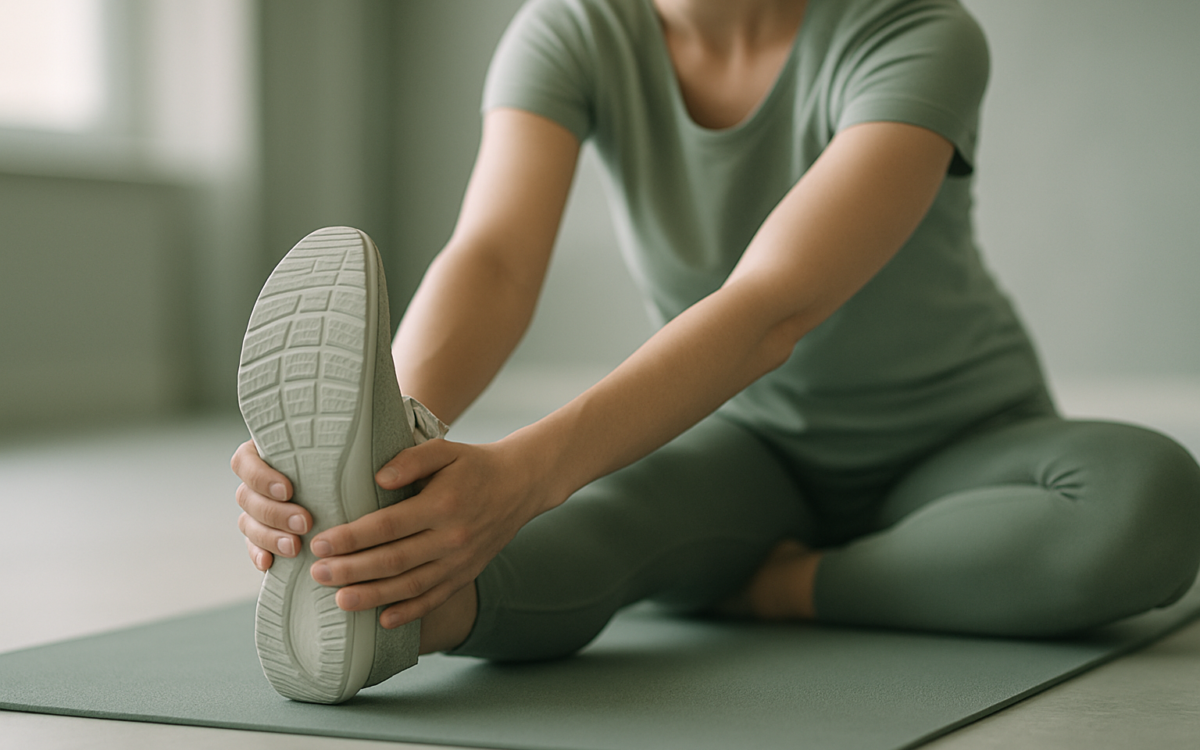
- Hamstring Stretch: While seated, extend one leg out and reach toward your toes. This stretch is key for the back of your legs.
- Quadriceps Stretch: Stand and pull one foot towards your buttocks, keeping your knees together. This targets the front of your thighs.
- Child’s Pose: Kneel and sit back on your heels with your arms stretched forward on the floor. This stretch gently relaxes your back.
Stretching and Injury Prevention
Incorporating stretching into your routine can significantly reduce the risk of injuries. Regular stretching improves flexibility, which can help your body better withstand physical demands. The Centers for Disease Control and Prevention highlights that stretching before and after workouts can help maintain a healthy range of motion in your joints. Listen to your body: if something feels too tight or strained, practice caution and adjust your movements accordingly.
Developing a Stretching Routine
To reap the full benefits of stretching, it’s essential to develop a routine that works for you. Here are a few tips for creating an effective stretching regimen:
- Set Realistic Goals: Determine which areas you want to improve and set achievable flexibility goals.
- Consistency is Key: Incorporate stretching into your daily life, dedicating even a few minutes each day to your routine.
- Mix It Up: Vary your stretches to keep your routine engaging and ensure you’re targeting all muscle groups.
- Consult Resources: Consider using videos or classes that focus on stretching for additional guidance.
When to See a Doctor
If you experience persistent pain or discomfort while stretching or after exercise, it may be wise to consult a healthcare professional. This is especially true if you notice swelling, reduced range of motion, or if the pain disrupts your daily activities. Seeking evaluation from a medical provider can help identify any underlying issues that may require intervention.
Remember, stretching is a valuable component of any fitness routine, whether you’re just starting or are an active athlete. Enhancing your flexibility through dedicated stretching exercises can help unlock your body’s potential, making every workout safer and more effective. So, take a moment before and after your workouts to stretch and enjoy the benefits it brings to your overall health.
