
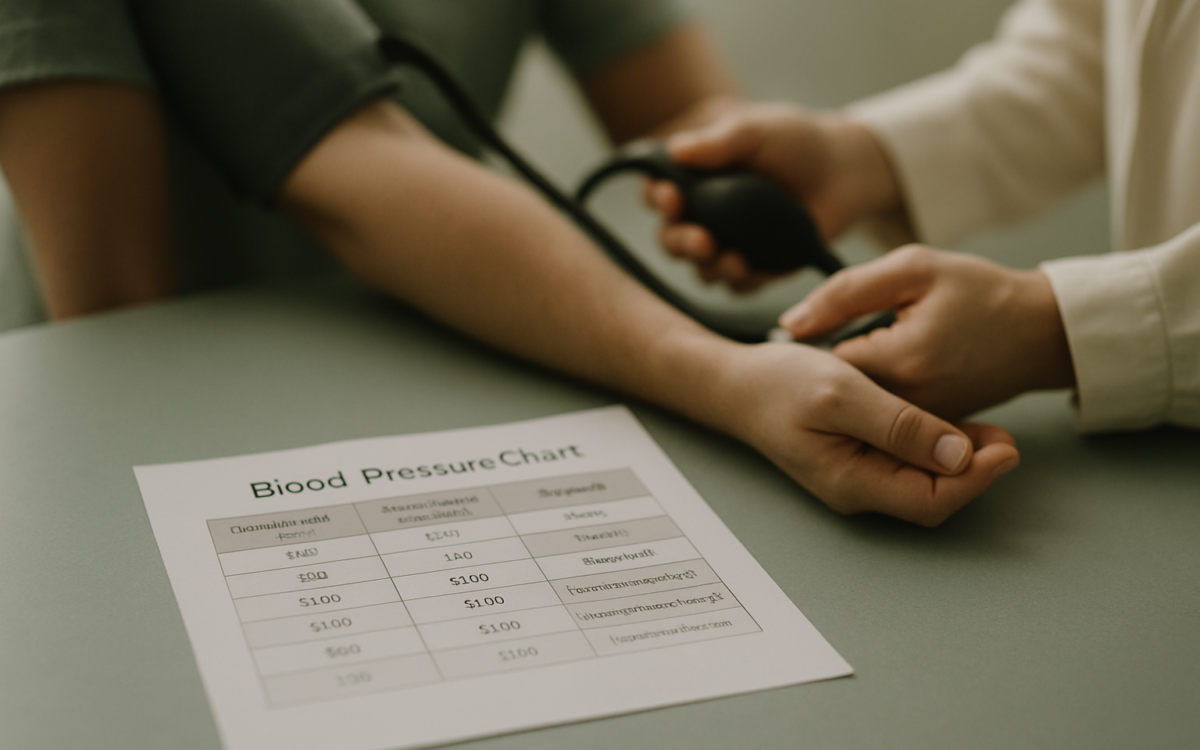
Understanding blood pressure is crucial to maintaining good health. High or low blood pressure can lead to serious health issues if not monitored properly. A blood pressure chart can help you interpret your readings and understand where you stand in terms of your health. In this article, we’ll explore what blood pressure measurements mean, how to read a blood pressure chart, and when you should consider consulting your doctor.
What Is Blood Pressure?
Blood pressure is the force of blood against the walls of your arteries as your heart pumps it around the body. It is represented by two numbers: systolic and diastolic pressure. The systolic pressure (the top number) measures the pressure in your arteries when your heart beats. The diastolic pressure (the bottom number) measures the pressure in your arteries when your heart rests between beats. Together, these two numbers give a clear picture of your blood pressure status.
Reading a Blood Pressure Chart
A blood pressure chart allows you to categorize your blood pressure readings. The American Heart Association (AHA) has set guidelines for interpreting blood pressure levels. Here’s a simple breakdown:
- Normal: Systolic less than 120 mm Hg and diastolic less than 80 mm Hg.
- Elevated: Systolic between 120-129 mm Hg and diastolic less than 80 mm Hg.
- Hypertension Stage 1: Systolic between 130-139 mm Hg or diastolic between 80-89 mm Hg.
- Hypertension Stage 2: Systolic 140 mm Hg or higher or diastolic 90 mm Hg or higher.
- Hypertensive Crisis: Systolic higher than 180 mm Hg and/or diastolic higher than 120 mm Hg. This requires immediate medical attention.
Why Blood Pressure Matters
Monitoring your blood pressure is essential for several reasons. Elevated blood pressure can lead to a range of health problems, including heart disease, stroke, and kidney issues. On the other hand, low blood pressure may result in dizziness or fainting, which can also pose safety concerns. Regularly checking your blood pressure can help catch potential problems early and lead to better outcomes.
Factors Affecting Blood Pressure
Numerous factors can influence your blood pressure readings. Here are some of the most common:
- Diet: High salt intake, excessive alcohol, and poor diets can raise blood pressure.
- Physical Activity: Regular exercise generally helps maintain healthy blood pressure levels.
- Stress: Chronic stress can lead to spikes in blood pressure.
- Medications: Some prescription and over-the-counter drugs can affect blood pressure.
- Weight: Carrying excess body weight can increase your risk of hypertension.
How to Measure Blood Pressure
To get an accurate reading of your blood pressure, follow these tips:
- Use a well-calibrated blood pressure monitor, either digital or manual.
- Measure at the same time each day for consistency.
- Be in a relaxed position, with your feet flat on the ground and your arm at heart level.
- Avoid caffeine, exercise, and smoking 30 minutes before taking a reading.
- Record your readings in a log to share with your healthcare provider.
When to See a Doctor
If your readings consistently fall into the hypertensive crisis range (higher than 180/120 mm Hg), contact a healthcare provider immediately. Additionally, if you frequently see elevated blood pressure numbers or experience symptoms such as severe headaches, chest pain, or difficulty breathing, seek out medical advice. Regular check-ups with your healthcare provider can help manage your blood pressure effectively and keep your health in check.
Conclusion
Grasping the meanings behind blood pressure charts helps empower you to manage your health proactively. By monitoring your blood pressure and understanding your numbers, you can make informed lifestyle choices and seek medical help when warranted. Your health is your priority, so stay informed and consult your healthcare provider for guidance on maintaining optimal blood pressure levels. For more detailed information, consider visiting sources such as the NIH, the WHO, or the CDC.
