
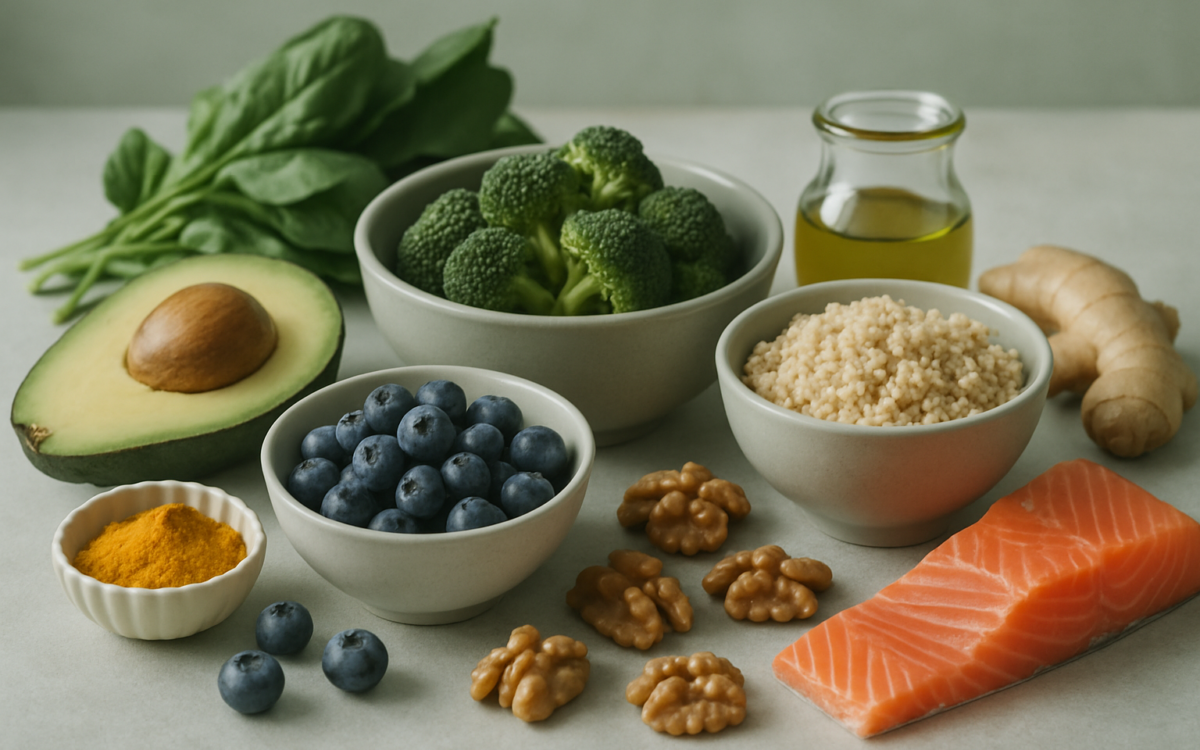
Inflammation is a natural response of our immune system, helping to fight off infections and heal injuries. However, when inflammation persists for too long, it can lead to various chronic diseases, such as heart disease, diabetes, and arthritis. The good news is that certain foods can help combat inflammation, making them key players in an anti-inflammatory diet. Let’s explore some of the most beneficial food choices to support a healthful lifestyle.
Understand the Basics of Inflammation
Before diving into the specific foods, it’s helpful to understand what inflammation is and why it matters. Inflammation occurs when the body detects harmful stimuli, such as pathogens or irritants, and activates an immune response. Acute inflammation is short-term and essential for healing, but chronic inflammation can be harmful. According to the National Institutes of Health, chronic inflammation is linked to many serious health conditions.
Fruits and Vegetables: Nature’s Powerhouses
The vibrant colors of fruits and vegetables indicate their rich supply of antioxidants and nutrients that help reduce inflammation. Here are some top picks:
- Berries: Blueberries, strawberries, and raspberries contain antioxidants called flavonoids, which can significantly lower inflammation.
- Leafy Greens: Spinach, kale, and Swiss chard are packed with vitamins and minerals, including vitamin K, which helps protect against inflammation.
- Cruciferous Vegetables: Broccoli, cauliflower, and Brussels sprouts contain sulforaphane, a compound known for its anti-inflammatory properties.
Healthy Fats: Balance is Key
Not all fats are created equal. Healthy fats can be anti-inflammatory and are essential for overall health. Consider incorporating these into your diet:
- Olive Oil: Extra virgin olive oil is loaded with monounsaturated fats and antioxidants, making it a heart-healthy choice.
- Fatty Fish: Salmon, mackerel, and sardines are rich in omega-3 fatty acids, which have been shown to significantly reduce inflammatory markers in the body.
- Avocados: Full of healthy fats, avocados also provide vitamins and fiber that can help lower inflammation.
Whole Grains: Go Beyond Refined Options
Whole grains are a crucial part of any anti-inflammatory diet. They are less processed and retain more of their beneficial nutrients.
- Brown Rice: A whole grain alternative to white rice, brown rice is high in fiber and can help stabilize blood sugar levels.
- Quinoa: This nutrient-dense grain is gluten-free and contains all nine essential amino acids, along with anti-inflammatory antioxidants.
- Oats: Rich in soluble fiber, oats can help lower cholesterol levels and also have anti-inflammatory effects on the body.
Spices with Anti-Inflammatory Properties
Spices not only add flavor but also possess potent anti-inflammatory properties. Here are some powerful contenders:
- Turmeric: Curcumin, the active ingredient in turmeric, has strong anti-inflammatory effects and is best absorbed when combined with black pepper.
- Ginger: Known for its therapeutic properties, ginger can help reduce muscle pain and soreness associated with inflammation.
- Garlic: This aromatic bulb has immune-boosting properties that can also combat inflammation, making it a flavorful addition to many dishes.
Fermented Foods: Gut Health Matters
Emerging research suggests that gut health plays a significant role in inflammation. Including fermented foods in your diet can foster a healthy gut microbiome:
- Yogurt: Rich in probiotics, yogurt can enhance gut health and reduce inflammation. Opt for plain, unsweetened varieties for the best health benefits.
- Kefir: Similar to yogurt, kefir is a fermented dairy product that’s high in beneficial bacteria and nutrients.
- Kimchi and Sauerkraut: These fermented vegetables are not only tangy and delicious but also support gut healing and may help reduce inflammation.
When to See a Doctor
If you experience chronic inflammation or have conditions that may be exacerbated by inflammation, it’s essential to speak with a healthcare professional. They can provide personalized guidance tailored to your health needs and help determine if dietary changes are right for you. Early intervention can be significant in preventing more serious health issues.
Conclusion
Incorporating anti-inflammatory foods into your diet can be a delicious strategy for promoting overall health and well-being. By choosing antioxidant-rich fruits and vegetables, healthy fats, whole grains, anti-inflammatory spices, and fermented foods, you’re not just fighting inflammation; you’re nourishing your body. Remember to consult with your healthcare provider before making significant changes to your diet, especially if you have underlying health conditions or concerns.
