
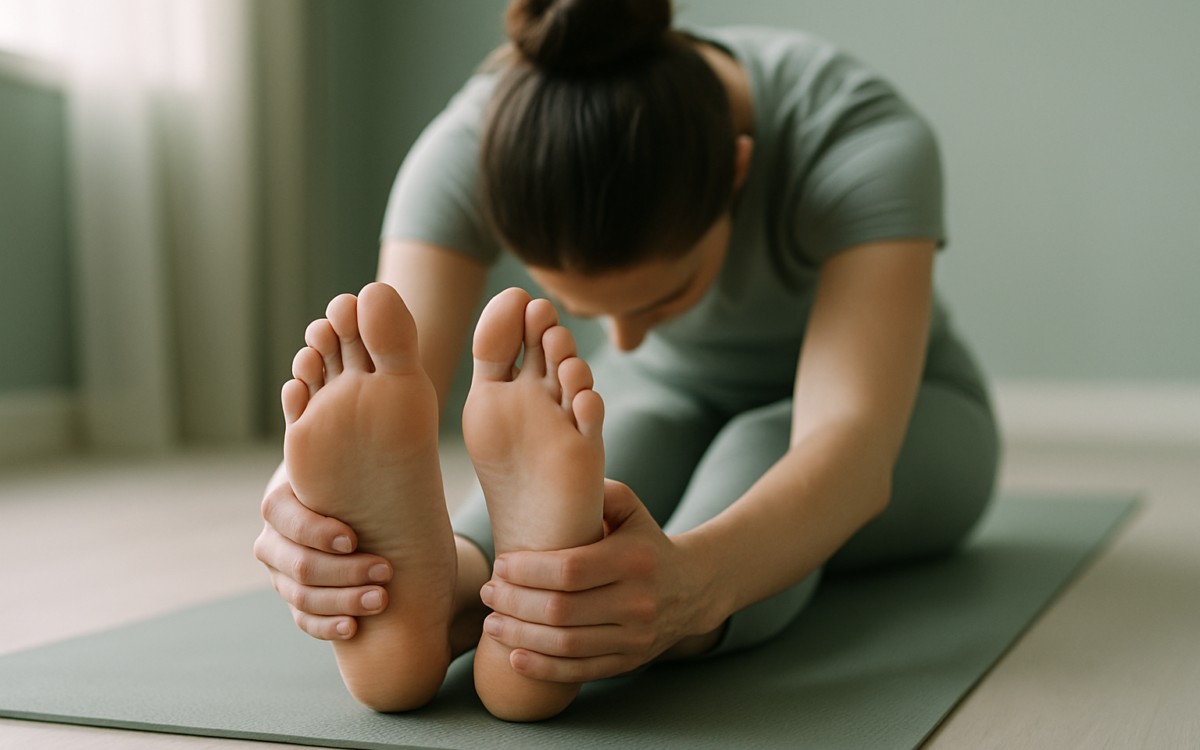
Flexibility is often overlooked in fitness routines, yet it plays a crucial role in your overall health and physical performance. Whether you’re an athlete or someone who enjoys the occasional walk, incorporating flexibility exercises into your routine can enhance mobility, promote muscle health, and reduce the risk of injury. In this article, we’ll delve into the importance of flexibility exercises, different types you can try, and tips on how to effectively incorporate them into your daily life.
Why Flexibility Matters
Flexibility refers to the range of motion in your joints and muscles. As you age, sedentary lifestyles, or lack of movement can lead to stiffness, making daily activities more challenging. Here are several benefits of maintaining flexibility:
- Improved Mobility: Increased flexibility allows for easier movement in daily tasks.
- Injury Prevention: Flexible muscles and joints are less prone to injuries.
- Enhanced Athletic Performance: Athletes often see improved performance in their sport due to better mobility.
- Stress Reduction: Stretching can promote relaxation and reduce stress levels.
Research shows that flexibility exercises can increase resilience against injuries and enhance your overall quality of life (NIH/NLM). Among various fitness routines, flexibility training stands out as a key component for maintaining a well-rounded exercise regimen.
Types of Flexibility Exercises
Flexibility exercises can be categorized into several types. Each serves different purposes and can be tailored to meet individual needs.
Dynamic Stretching
This involves moving parts of your body through a full range of motion. Dynamic stretches are ideal for warming up before a workout. Examples include:
- Leg swings
- Arm circles
- High knees
Static Stretching
Static stretching requires you to hold a stretch for a certain period, usually 15-60 seconds. It’s beneficial for cooling down post-workout and improving long-term flexibility. Common static stretches include:
- Hamstring stretch
- Quadriceps stretch
- Shoulder stretch
Proprioceptive Neuromuscular Facilitation (PNF)
This advanced technique is often used in rehabilitation settings. PNF involves a partner stretching you, then having you contract and relax the muscle. It can significantly improve flexibility.
Yoga and Pilates
Both yoga and Pilates focus on controlled movements and stretches that enhance flexibility while also promoting strength and balance. Consider joining a class or following along with online tutorials if you prefer guided practices.
How to Incorporate Flexibility Exercises into Your Routine
Adding flexibility exercises into your routine doesn’t have to be daunting. Here are some easy ways to get started:
- Set Aside Time: Dedicate 5-10 minutes to stretch before and after your workouts.
- Use Stretching Apps: Many mobile applications offer guided stretching routines.
- Join a Class: Many gyms or community centers offer classes focused on yoga or flexibility training.
- Make it Convenient: Stretch while watching TV or during breaks at work. Look for moments in your day where stretching can fit in.
Flexibility doesn’t happen overnight. Try to incorporate flexibility exercises consistently, ideally at least 3-4 times a week, to see noticeable improvements over time.
Common Mistakes to Avoid
While practicing flexibility exercises, it’s essential to avoid common pitfalls that could hinder your progress or lead to injury:
- Overstretching: Stretching too aggressively can lead to muscle strains. Ease into each stretch and listen to your body.
- Neglecting Warm-Up: Always warm up before doing static stretches. Dynamic stretching is a great way to prepare your muscles.
- Skipping Regular Routine: Inconsistency can slow down your progress. Aim for regular practice.
Keeping these tips in mind can help you maximize the benefits of your flexibility exercise routine.
When to See a Doctor
If you experience pain while stretching, a lack of progress, or if you have a pre-existing condition that limits your mobility, it’s wise to consult a healthcare professional. They can provide personalized recommendations based on your needs and possibly refer you to a physical therapist for specialized guidance.
Conclusion
Incorporating flexibility exercises into your routine is an essential step towards maintaining a healthy lifestyle. With the right approach, you can enhance your mobility, reduce your risk of injury, and improve your overall well-being. Start gradually and remember that consistency is key. Enjoy the journey towards greater flexibility!
