
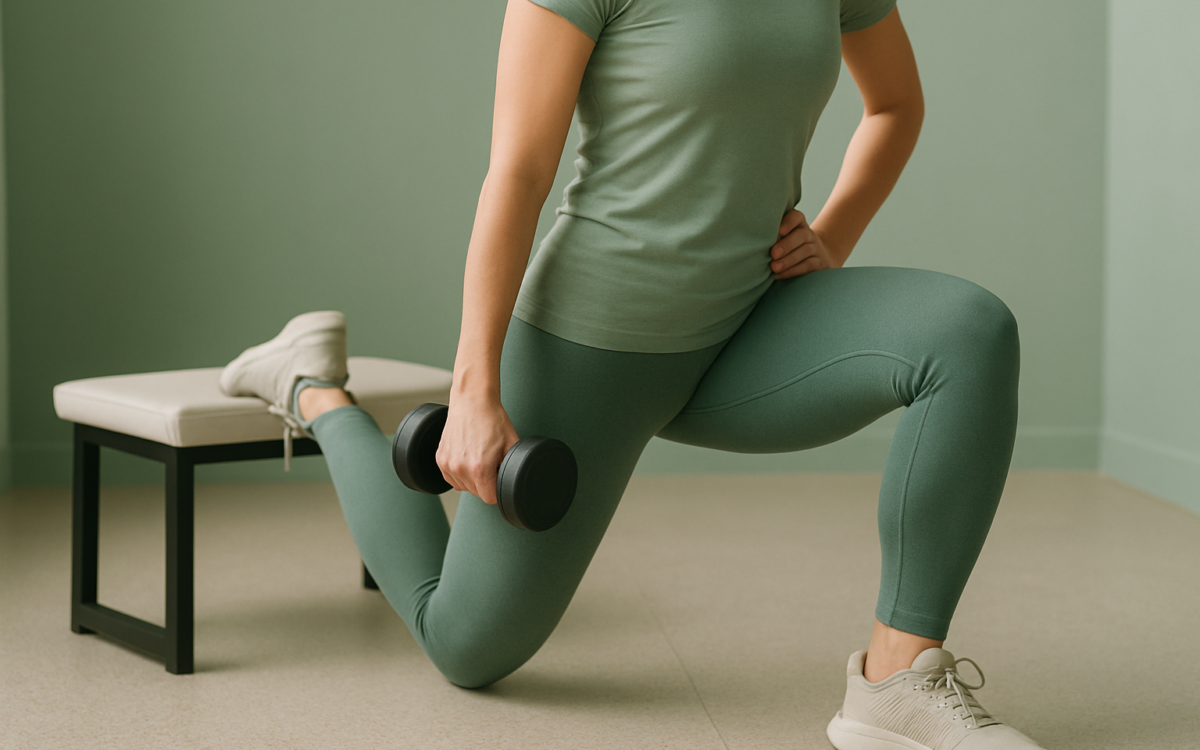
The Bulgarian split squat is gaining popularity in fitness circles, and for good reason. This powerful exercise targets the legs, enhances balance, and improves functional strength. Whether you’re a beginner or an experienced gym-goer, incorporating the Bulgarian split squat into your routine can elevate your workouts to a new level.
What Is a Bulgarian Split Squat?
The Bulgarian split squat is a unilateral exercise that engages one leg at a time while providing support with the rear leg. It typically involves placing the back foot on an elevated surface, such as a bench or a step, and squatting down with the front leg. This position not only challenges your balance but also helps you develop strength and stability.
Muscles Targeted
One of the key benefits of the Bulgarian split squat is its ability to effectively target various muscle groups. These include:
- Quadriceps: The muscles at the front of your thighs are the primary movers in this exercise.
- Hamstrings: Located at the back of your thighs, your hamstrings assist in stabilizing during the squat.
- Glutes: The Bulgarian split squat heavily engages your glute muscles, which play a crucial role in hip movement.
- Calves: Your calf muscles help in balancing and stabilizing as you squat.
- Core: Your core muscles activate to maintain stability throughout the movement.
Benefits of Bulgarian Split Squats
Including Bulgarian split squats in your fitness regimen can provide numerous benefits:
1. Improved Leg Strength
This exercise is particularly effective for enhancing overall leg strength. By focusing on one leg at a time, it forces each leg to work independently, addressing muscle imbalances and fostering strength development.
2. Enhanced Balance and Coordination
The challenge of balancing on one leg while performing the squat improves coordination and stability. This is especially beneficial for athletes and anyone looking to enhance their functional movement.
3. Increased Flexibility
The Bulgarian split squat promotes flexibility in the hips, quadriceps, and hamstrings as you move through the range of motion, which can contribute to better overall mobility.
4. Functional Movement
This exercise mimics real-life movements, helping to improve your performance in everyday activities and sports. It’s great for building strength that translates to functional actions like walking, running, and climbing stairs.
How to Do a Bulgarian Split Squat Correctly
Performing the Bulgarian split squat with proper form is crucial for maximizing benefits and preventing injury. Here’s how to do it step by step:
- Setup: Stand a few feet in front of a bench or step. Extend one leg back and place the top of your foot on the bench.
- Position Yourself: Keep your front foot flat on the ground and ensure your knee is aligned with your toes to protect your joints.
- Squat Down: Slowly lower your body until the thigh of your front leg is parallel to the ground. Your back knee should hover just above the floor.
- Return to Start: Push through the heel of your front foot to rise back to the starting position.
For beginners, starting without weights can help focus on mastering the technique. Once you’re comfortable, gradually add weights with dumbbells or a barbell.
Common Mistakes to Avoid
To get the most out of your Bulgarian split squats, be aware of these common pitfalls:
- Knee Position: Avoid letting your knee extend beyond your toes during the squat, as this can lead to unnecessary strain on the joint.
- Leaning Forward: Maintain an upright posture instead of leaning too far forward, which can strain your back.
- Not Using Full Range of Motion: Ensure you lower your body sufficiently to engage the target muscles effectively.
- Rushing the Movement: Perform the exercise slowly to maintain control and proper form.
Variations to Try
If you’re looking to keep your workouts fresh or target different muscle groups, consider these Bulgarian split squat variations:
- Weighted Bulgarian Split Squat: Hold dumbbells in each hand for added resistance.
- Rear-Foot Elevated Bulgarian Split Squat: Increase the height of the bench for a greater range of motion.
- Static Hold: At the lowest point of the squat, hold your position for a few seconds to increase time under tension.
Tips for Incorporating Bulgarian Split Squats into Your Routine
To effectively integrate Bulgarian split squats into your training, consider the following:
- Warm-Up: Always warm up before engaging with strength training exercises to prevent injury.
- Start Slow: Begin with just body weight to master the form before progressing to additional weights.
- Listen to Your Body: Pay attention to how your body responds and adjust the volume and intensity accordingly.
When to See a Doctor
If you experience persistent pain or discomfort during or after performing Bulgarian split squats, it may be wise to consult a healthcare professional. It’s important to rule out injuries or underlying conditions that could be aggravated by exercise. Always consider individual health factors and consult your doctor if uncertain about new exercise routines.
In conclusion, the Bulgarian split squat is a versatile and effective exercise for building leg strength, balance, and flexibility. Integrate it into your routine and watch your leg strength soar!
