
Everyone wants to feel strong and healthy, and one effective way to achieve that is through resistance training exercises. These exercises not only help you build muscle but also improve your overall physical fitness, enhance your mental well-being, and reduce the risk of chronic diseases. Whether you are a beginner or an experienced athlete, incorporating resistance training into your routine can offer numerous benefits.
What is Resistance Training?
Resistance training, also known as strength training, involves exercises that make your muscles work against an external force. This force can come from weights, resistance bands, or even your own body weight. The goal is to challenge your muscles, and over time, this leads to muscle growth, increased strength, and enhanced endurance.
Benefits of Resistance Training
Engaging in resistance training offers a wide array of health benefits:
- Increased Muscle Strength: Resistance training helps develop stronger muscles, making everyday tasks easier.
- Bone Health: It strengthens bones by improving their density, which can reduce the risk of osteoporosis.
- Weight Management: Building muscle increases your resting metabolic rate, helping you maintain or lose weight.
- Improved Mood: Exercise, including resistance training, releases endorphins, boosting your mood and reducing stress.
- Enhances Athletic Performance: It can improve your performance in other sports and activities due to increased strength and power.
Types of Resistance Training Exercises
Resistance training can be tailored to individual fitness levels and preferences. Here are some effective types of resistance exercises:
1. Bodyweight Exercises
Bodyweight exercises are a great starting point for those new to resistance training. These exercises require no equipment and can be done anywhere. Some popular bodyweight exercises include:
- Push-ups
- Squats
- Lunges
- Planks
- Burpees
These movements engage multiple muscle groups and help build foundational strength.
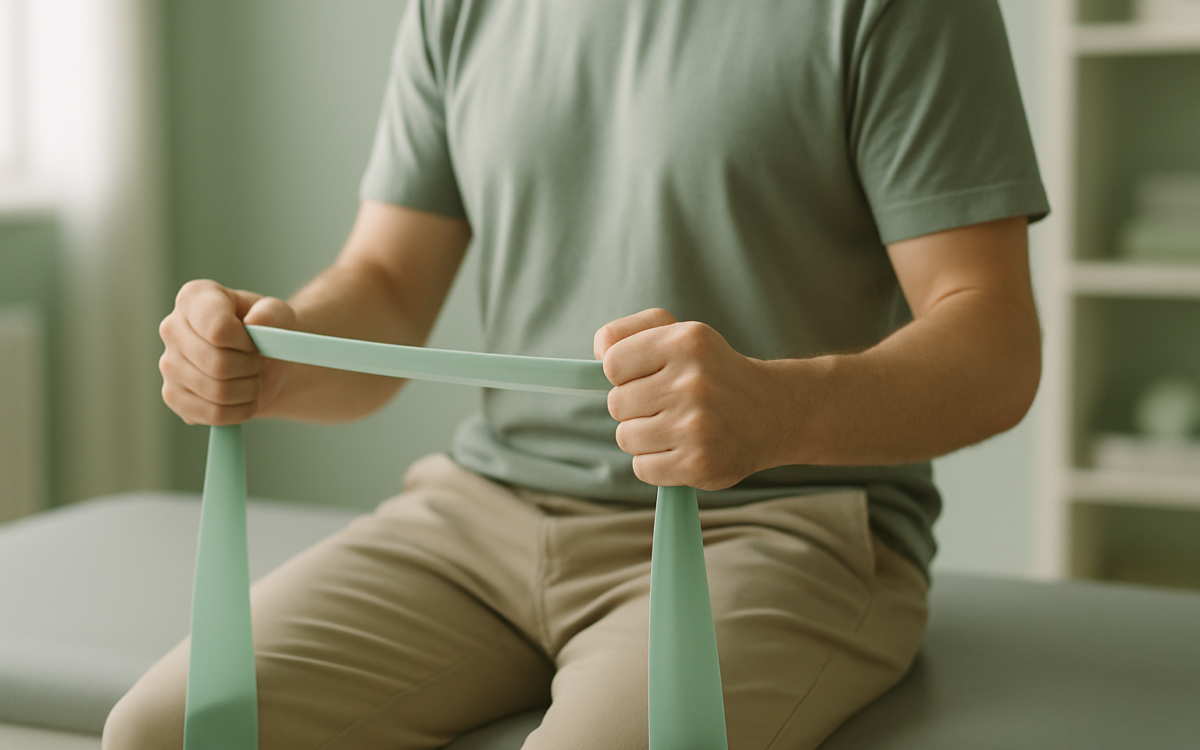
2. Resistance Bands
Resistance bands are versatile tools that can add variety to your workouts. They come in different resistance levels and can be used for:
- Bicep curls
- Tricep extensions
- Rows
- Chest presses
- Leg presses
Resistance bands are great for those who prefer lower-impact exercises or are recovering from injuries.
3. Free Weights
Using free weights, such as dumbbells or kettlebells, allows for a more challenging workout. They enable a broader range of motion and can help improve coordination. Some effective free weight exercises include:
- Deadlifts
- Bench presses
- Shoulder presses
- Bent-over rows
- Goblet squats
When starting with free weights, ensure proper form to prevent injury.
4. Machines
Many gyms are equipped with resistance training machines that guide your movement, providing support and stability. Machines can be especially helpful for beginners or individuals looking to isolate specific muscle groups. Examples of machine exercises include:
- Leg press
- Lat pull-down
- Chest press
- Leg curl
Machines can help you learn proper form while minimizing the risk of injury.
How to Get Started with Resistance Training
If you’re new to resistance training, here are some tips to get started:
- Consult Your Doctor: If you have any underlying health issues or concerns, it’s essential to consult your doctor before beginning any exercise program.
- Start Slow: Begin with lighter weights or resistance bands and focus on mastering your form before increasing intensity.
- Set Realistic Goals: Aim for achievable goals, whether that’s increasing repetitions, adding weight, or exercising more frequently.
- Create a Schedule: Consistency is key. Aim for two to three resistance training sessions per week, allowing for rest days in between.
- Learn Proper Technique: Consider working with a trainer, watching instructional videos, or taking classes to ensure you perform exercises correctly.
Common Mistakes to Avoid
Even as you start resistance training, keeping some common mistakes in mind can help you avoid injury and achieve better results:
- Skipping Warm-Ups: Always warm up before training to prepare your muscles and joints.
- Overtraining: Don’t push too hard too soon. Listen to your body and rest as needed.
- Neglecting Form: Proper form is crucial for both effectiveness and safety; always prioritize technique over lifting heavier weights.
- Ignoring Balance: Incorporate exercises for all major muscle groups to avoid imbalances.
When to See a Doctor
If you experience any persistent pain, discomfort, or unusual symptoms while exercising, it’s important to consult a healthcare professional. Additionally, if you have any ongoing health conditions or are unsure about starting a resistance training program, consulting a doctor can help guide your choices.
Conclusion
Resistance training exercises can be a fun and rewarding way to improve your strength, health, and overall well-being. By incorporating a variety of exercises into your routine, you can enhance your physical fitness, boost your mood, and enjoy many long-term health benefits. Remember, it’s always wise to consult a healthcare professional before starting a new exercise regimen, especially if you have concerns about your fitness or health.
