
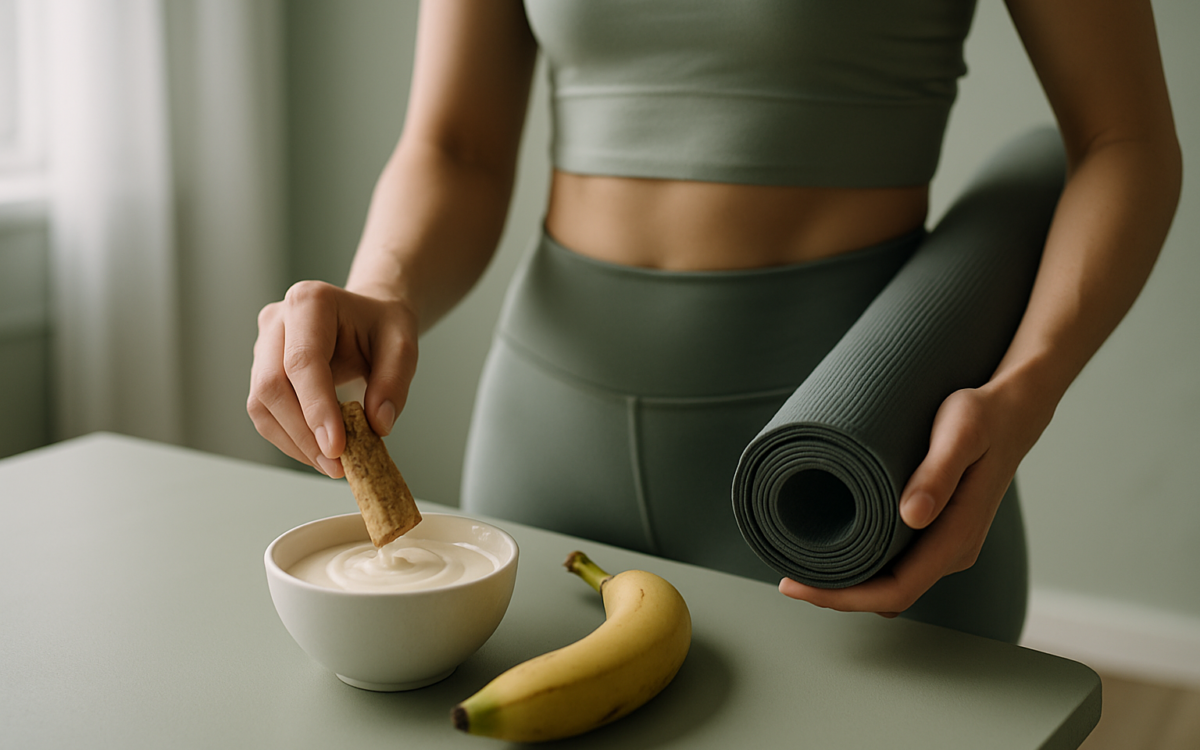
When it comes to exercise, what you eat before your workout can significantly impact your performance and energy levels. A well-chosen snack can provide the boost you need to power through your routine, whether you’re hitting the gym, going for a run, or practicing yoga. Understanding what to eat and when can help you optimize your workouts and achieve your fitness goals.
Why Snacks Matter Before Exercise
Snacks before exercise are important because they serve as a source of fuel for your body. Energy is essential for optimal performance, and the right nutrients can enhance your endurance, strength, and recovery. According to the National Institutes of Health, eating adequately before physical activity can improve overall performance and delay fatigue.
What Makes a Good Pre-Workout Snack?
A great pre-workout snack is one that contains a balance of carbohydrates, proteins, and fats. Each nutrient plays a specific role:
- Carbohydrates: They are your main source of energy. Eating carbs before your workout can help maintain your blood sugar levels and enhance performance.
- Protein: This nutrient helps repair and build muscle tissue. Incorporating it into your snack can support muscle recovery.
- Fats: While fats provide energy, they digest more slowly. A small amount of healthy fat can be beneficial if you’re engaging in longer workouts.
Some examples of effective snacks include:
- A banana with a spoonful of peanut butter
- Greek yogurt with honey and berries
- Whole-grain toast topped with avocado
- Oatmeal with sliced banana and a sprinkle of cinnamon
Timing Your Snack
The timing of your snack can be just as important as what you eat. Generally, it’s best to eat a snack approximately 30 to 60 minutes before exercise. This window allows your body to begin digesting, providing quick energy for your workout. If your workout is more intense or lengthy, consider having a more substantial snack about 1 to 2 hours prior to your exercise session.
Personalizing Your Pre-Workout Snack
Everyone’s body reacts differently to different foods, so it’s important to personalize your pre-workout nutrition. Factors such as your workout type, duration, and personal dietary preferences all come into play. For example, if you’re engaging in high-intensity interval training, you might require different fueling than if you’re doing a long, steady-state cardio session. Experiment with various snacks to see what makes you feel most energized and alert during your workouts.
Common Pre-Workout Snacking Mistakes
While snacks can enhance your workouts, there are common mistakes to avoid:
- Eating too much: Large meals right before exercise can lead to discomfort and sluggishness. Stick to small snacks.
- Choosing unhealthy snacks: Sugary treats or highly processed snacks may lead to energy crashes. Opt for whole foods whenever possible.
- Ignoring hydration: Don’t forget about water! Staying hydrated is crucial for optimal performance.
Should You Snack for Every Workout?
In some cases, you might not need a snack at all. For shorter workouts (under an hour), if you’ve eaten a balanced meal within a few hours of exercising, you might perform just fine without a pre-workout snack. On the other hand, if you’re exercising right after waking up or have not eaten in several hours, a small snack can be very beneficial.
When to See a Doctor
If you experience persistent issues with energy levels, unusual fatigue, or digestive problems associated with eating before workouts, it’s wise to consult with a healthcare professional. They can provide tailored advice based on your individual needs and health conditions.
In summary, pre-workout snacks can significantly enhance your exercise experience. By choosing the right foods, timing your snacks, and personalizing your approach, you can fuel your workouts effectively, boost your energy levels, and improve your overall fitness outcomes. Remember that what works for one person may not work for another, so do some trial and error to find what best supports your exercise routine!
