
Baldness can be a challenging experience for many men. As the years pass, thinning hair or complete hair loss can impact self-esteem and confidence. If you or a loved one are facing this issue, it’s essential to understand the causes and explore various treatment options available today. This article aims to provide you with insight into treating baldness in men, examining what options are available, their effectiveness, and when you should consider seeking professional advice.
Understanding the Causes of Baldness
Before diving into treatment options, it’s crucial to understand what causes baldness. The most common type of hair loss in men is called androgenetic alopecia, which is often referred to as male-pattern baldness. This condition is largely hereditary, indicating that if your father or grandfather experienced hair loss, you may face similar issues.
Besides genetic factors, other issues can contribute to hair loss, including:
- Hormonal Changes: Changes in hormones can slow down hair growth.
- Medical Conditions: Issues like thyroid disorders or autoimmune diseases can cause baldness.
- Medications: Certain drugs, including those for cancer, depression, and heart conditions, may trigger hair loss.
- Poor Nutrition: A lack of essential nutrients, particularly vitamins and minerals, can affect hair health.
Over-the-Counter Treatments
There are several over-the-counter treatments available for men experiencing hair loss.
Minoxidil
Minoxidil is a topical solution applied directly to the scalp. This product is often marketed under brand names like Rogaine. It’s FDA-approved for treating hair loss and can stimulate hair follicles, potentially leading to hair regrowth. It usually takes several months of consistent use to notice results.
Biotin Supplements
While not exclusively a baldness treatment, biotin is a B vitamin that promotes healthy hair growth. Some men find that taking biotin supplements or eating biotin-rich foods can help strengthen their hair. However, scientific evidence on its efficacy for baldness specifically is still limited (NIH).
Prescription Medications
If over-the-counter solutions don’t yield satisfactory results, you might consider prescription treatments. Consult your healthcare professional to explore options. Two common prescription medications include:
Finasteride
This is an oral medication that works by blocking the hormone responsible for hair loss. Finasteride may help some men regrow hair and slow down further loss. However, it may come with side effects such as sexual dysfunction; discussing these potential risks with your doctor is crucial.
Dutasteride
Dutasteride is similar to Finasteride but is used less commonly and may be more powerful. Some studies suggest it may be effective for hair loss, but like Finasteride, it may not be suitable for everyone.
Hair Transplants and Other Procedures
For those looking for more drastic solutions, surgical procedures to restore hair have become more advanced and less invasive.
Hair Transplant Surgery
This procedure involves taking hair follicles from a donor area (usually the back of the head) and transplanting them to balding areas. While it can be an effective solution, it also requires a financial investment and ensures proper aftercare.
Platelet-Rich Plasma Therapy (PRP)
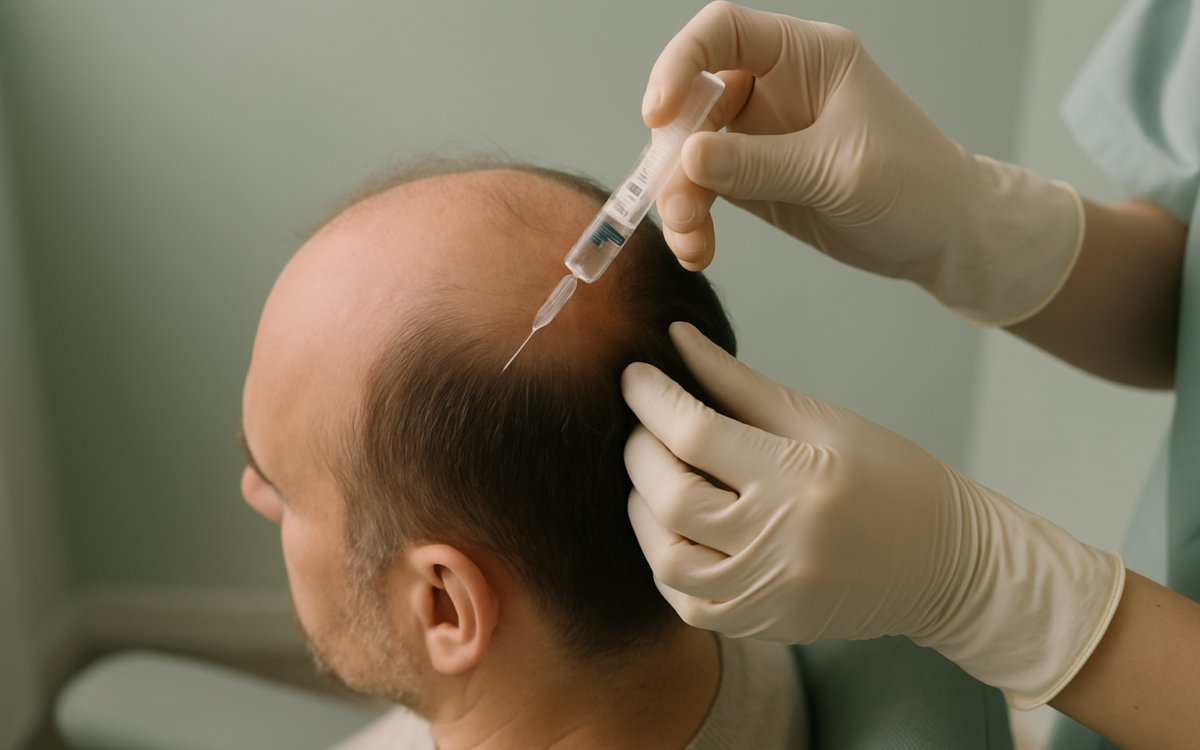
A newer, innovative method involves drawing a small amount of blood, processing it to concentrate the platelets, and injecting it back into the scalp. Some studies suggest that this can promote hair growth and improve the overall quality of hair.
The Role of Nutrition and Lifestyle Changes
When it comes to treating baldness, diet and lifestyle choices also play a vital role. Consuming a balanced diet rich in vitamins A, C, D, and E, zinc, iron, and omega-3 fatty acids can contribute to healthier hair.
Moreover, reducing stress through regular exercise, mindfulness, and maintaining a healthy lifestyle can help. Stress has been linked to various forms of hair loss, including telogen effluvium, where hair falls out after stressful events.
If you seek more extensive international treatment options, resources like acibademinternational.com can provide insights into comprehensive hair restoration solutions available abroad.
Alternative Remedies
Some men explore alternative remedies, hoping for a natural solution to hair loss. While research on these remedies is limited, some options include:
- Essential Oils: Some essential oils like rosemary have shown potential in hair growth. However, more research is necessary to confirm effectiveness.
- Scalp Massages: Regularly massaging the scalp may improve blood flow and promote hair growth.
When to See a Doctor
If you notice sudden hair loss, irregular patches of baldness, or have concerns about the rate at which you are losing hair, it may be time to see a doctor. Consulting a healthcare professional can provide you with personalized insights and treatment options tailored to your needs.
Conclusion
Baldness is a common concern for many men, but there are various ways to approach treatment. From over-the-counter options to surgical procedures, understanding the available choices can empower you to take action in a way that restores your confidence. Remember, it’s always best to consult a healthcare professional before starting any treatment regime.
