
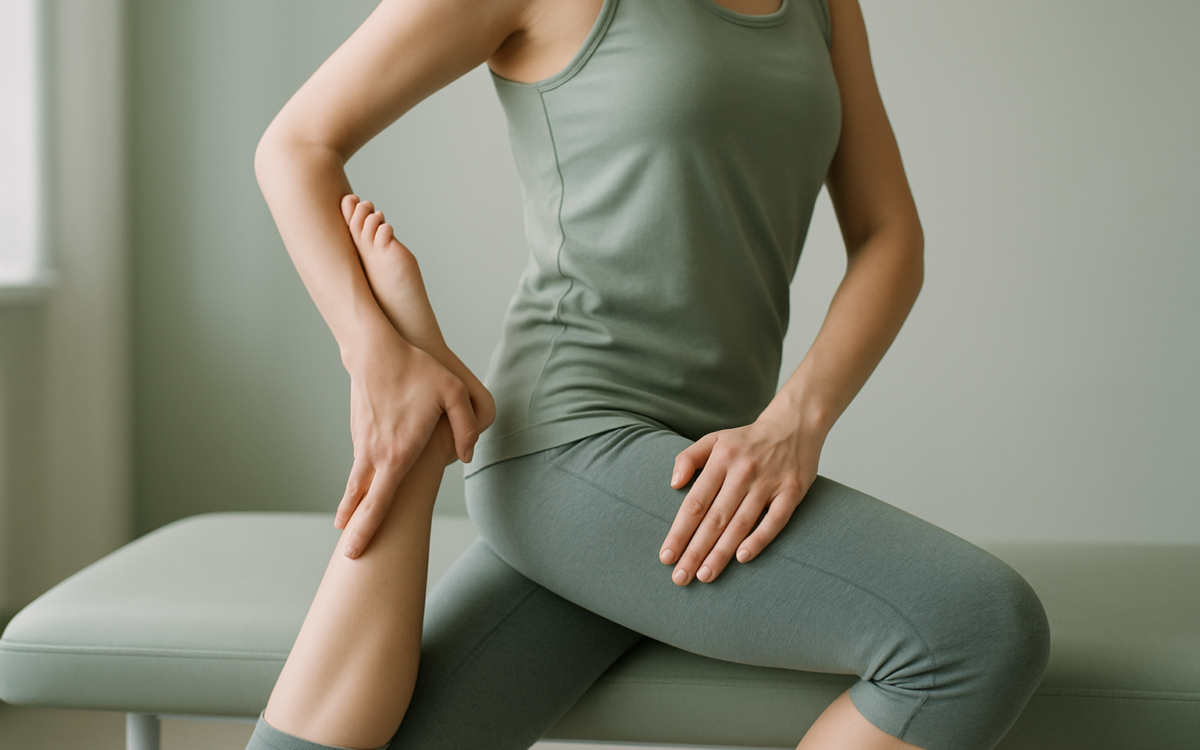
Flexibility is a crucial aspect of overall physical health, yet it is often overlooked in today’s fast-paced world. Many of us might push ourselves through workouts or long days of sitting without giving our muscles the attention they deserve. Leg stretching exercises are a simple and effective way to enhance flexibility, relieve tension, and improve overall leg health. Whether you’re an athlete or someone who spends long hours at a desk, incorporating stretching into your routine pays dividends. Below, we explore the types of leg stretches, their benefits, and how to incorporate them effectively.
The Importance of Stretching
Stretching is vital for muscle health and fitness. It helps to maintain flexibility, range of motion, and circulation in the legs and lower body. Tight muscles can lead to discomfort, decreased mobility, and even injury. By regularly practicing leg stretching exercises, you can:
- Enhance flexibility and range of motion
- Relieve muscle tension and soreness
- Improve performance in physical activities
- Reduce the risk of injury
- Promote relaxation and stress relief
Research has shown that stretching can also benefit overall physical performance. According to the National Institutes of Health, regular stretching positively impacts athletic performance.
Types of Leg Stretching Exercises
There are various types of leg stretches, each with unique benefits. Below are some effective stretches to incorporate into your routine:
1. Hamstring Stretch
This stretch targets the back of your thigh, which can often feel tight after prolonged sitting or activity.
How to do it:
- Sit on the ground with one leg extended straight out and the other leg bent, with the sole against your opposite thigh.
- Lean forward from your hips towards the extended leg, keeping your back straight.
- Reach for your toes and hold the position for 15-30 seconds.
- Switch legs and repeat.
2. Quadricep Stretch
The quadriceps are located at the front of your thigh and can become tight from activities like running or cycling.
How to do it:
- Stand upright and bend one knee, bringing your foot towards your buttock.
- Hold your ankle with your hand and gently push your hips forward.
- Hold for 15-30 seconds before switching legs.
3. Calf Stretch
Stretching your calves can aid in preventing tightness, particularly after activities like walking or running.
How to do it:
- Stand facing a wall, place your hands against it, and step one foot back.
- Keep your back heel on the ground and bend the front knee forward.
- Hold for 15-30 seconds and switch legs.
4. Inner Thigh Stretch
This stretch targets the adductor muscles located in the inner thigh.
How to do it:
- Sit with your feet together and knees bent out to the sides.
- Gently press your knees towards the ground for a deeper stretch.
- Hold for 15-30 seconds.
Best Times to Stretch
When you stretch can impact its effectiveness. Here are the best times for incorporating leg stretching exercises into your routine:
Before Exercise
Dynamic stretching (moving while you stretch) can be beneficial before workouts. This could include leg swings or gentle lunges to warm up the muscles.
After Exercise
Static stretching (holding a position) is ideal after workouts. This helps your muscles cool down and promotes recovery. It’s essential to hold stretches for at least 15-30 seconds for maximum benefit.
Creating a Stretching Routine
Incorporating leg stretching exercises into your daily routine doesn’t have to be overwhelming. Here are some tips to help you establish a successful stretching practice:
- Set a schedule: Aim for at least 10-15 minutes of stretching 3-4 times a week.
- Listen to your body: Stretch until you feel tension, not pain. Pay attention to how your body responds.
- Use proper form: Poor technique can result in injury. Make sure to maintain the correct posture while stretching.
- Stay hydrated: Drinking water is essential. It helps and supports muscle function.
When to See a Doctor
If you experience persistent pain in your legs or any unusual symptoms that accompany your stretching routine, it may be time to consult a healthcare professional. Conditions such as severe muscle strain, tendonitis, or other injuries can require medical attention. If you notice swelling, redness, or significant discomfort, seek advice from a doctor or physical therapist.
Conclusion
Leg stretching exercises are a simple yet powerful practice to improve flexibility, reduce tension, and enhance overall leg health. By understanding the various types of stretches and when to incorporate them into your routine, you can contribute positively to your physical well-being. Remember, consistency is key, and listening to your body will guide you towards a healthier, more flexible lifestyle.
