
Diabetes mellitus is a chronic health condition that affects how your body turns food into energy. When you eat, your body breaks down food into sugar, or glucose, which is then used for energy. Diabetes can disrupt this process, leading to high blood sugar levels that can have serious health consequences. Understanding diabetes is crucial for managing your health and making informed choices.
What is Diabetes Mellitus?
Diabetes mellitus is the medical term for diabetes, and it encompasses a group of diseases that impact how your body uses blood sugar (glucose). The primary forms of diabetes are Type 1 and Type 2 diabetes, each with different causes and characteristics.
Types of Diabetes Mellitus
Type 1 Diabetes
Type 1 diabetes is an autoimmune condition where the body’s immune system attacks insulin-producing cells in the pancreas. This type usually develops in children or young adults, although it can appear at any age. People with Type 1 diabetes need to take insulin injections or use an insulin pump to manage their blood sugar levels.
Type 2 Diabetes
Type 2 diabetes is the most common form of diabetes, accounting for approximately 90%-95% of all diagnosed cases. It primarily occurs when the body becomes resistant to insulin or when the pancreas fails to produce enough insulin. This type is often linked to obesity, an inactive lifestyle, and genetic factors. Many people with Type 2 diabetes can manage their condition with lifestyle changes, medication, or insulin.
Gestational Diabetes
Gestational diabetes occurs during pregnancy and usually disappears after giving birth. However, it can increase the risk of developing Type 2 diabetes later in life. Women diagnosed with gestational diabetes are often monitored carefully throughout their pregnancy.
Symptoms of Diabetes Mellitus
Identifying the symptoms of diabetes early on can be critical for effective management. Common symptoms include:
- Frequent urination
- Increased thirst
- Extreme hunger
- Fatigue
- Blurry vision
- Slow healing of cuts and sores
- Unexplained weight loss (particularly in Type 1 diabetes)
If you experience any of these symptoms, it’s important to consult a healthcare professional for appropriate testing and diagnosis.
Managing Diabetes Mellitus
Effective management of diabetes involves a combination of lifestyle changes, medication, and regular monitoring of blood sugar levels. Here are key aspects to consider:
Diet
A balanced diet plays a crucial role in managing diabetes. Focus on the following:
- Whole grains and high-fiber foods
- Fruits and vegetables
- Lean proteins
- Healthy fats
- Controlling portion sizes
It’s advantageous to limit sugar and processed carbohydrates that can spike blood sugar levels.
Exercise
Regular physical activity helps in managing weight and lowering blood sugar levels. Aim for at least 150 minutes of moderate-intensity aerobic activity per week, along with strength training exercises at least twice a week.
Medication
For those with Type 1 diabetes, insulin therapy is a must. Type 2 diabetes treatment may include oral medications that help the body better use insulin or produce more of it. Some individuals may also require insulin if other treatments are not sufficient.
Monitoring Blood Sugar
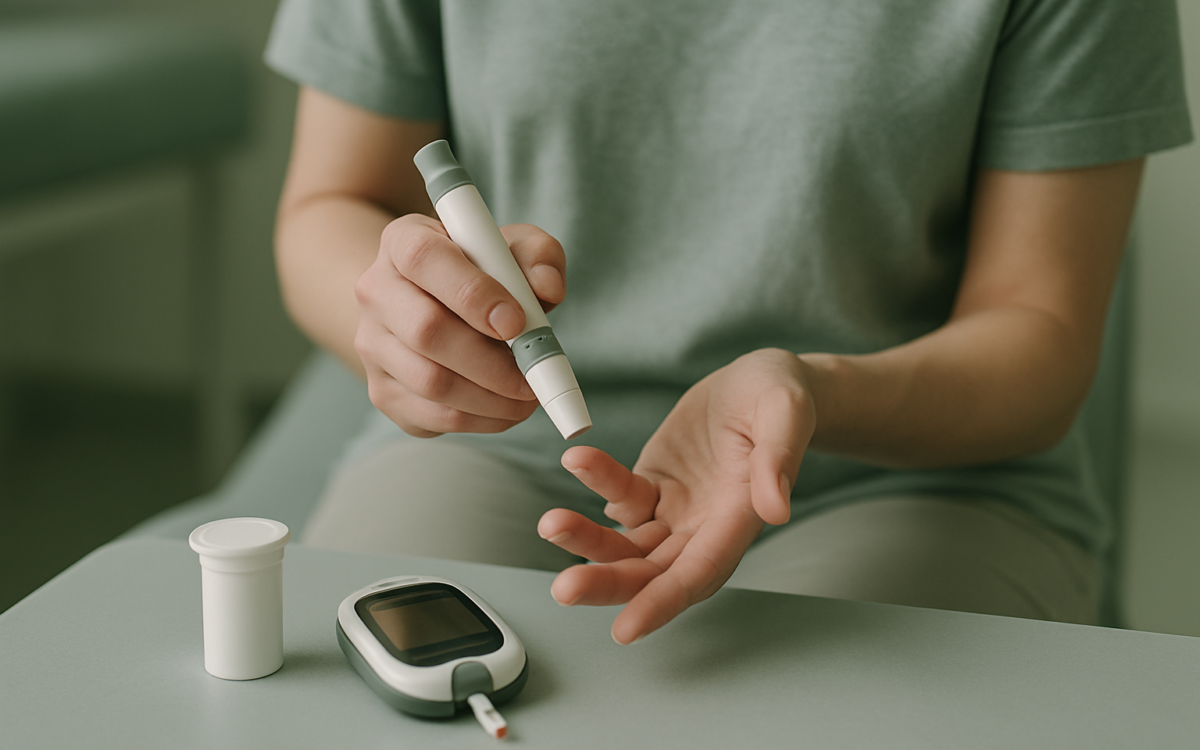
Keeping track of your blood sugar levels is essential. This helps in identifying patterns and adjusting your diet, activity levels, or medication as needed. Many people with diabetes use glucose meters or continuous glucose monitors to track their levels regularly.
Complications of Diabetes Mellitus
If left unmanaged, diabetes can lead to several serious health complications, including:
- Heart disease
- Kidney damage (diabetic nephropathy)
- Nerve damage (diabetic neuropathy)
- Eye problems (e.g., diabetic retinopathy)
- Foot damage and infections
Staying proactive in your management can significantly reduce the risk of these complications.
When to See a Doctor
If you experience symptoms of diabetes or have risk factors such as obesity, a family history of diabetes, or high blood pressure, it’s essential to see a doctor. Regular check-ups can help diagnose diabetes early and prevent complications.
Conclusion
Diabetes mellitus is a manageable condition with the right approach. Understanding its types, symptoms, and management strategies is crucial for maintaining health. If you think you might have diabetes or have concerns about your blood sugar levels, consult a healthcare professional for guidance and support. For more information, you can refer to resources like the National Heart, Lung, and Blood Institute or the Centers for Disease Control and Prevention.
