
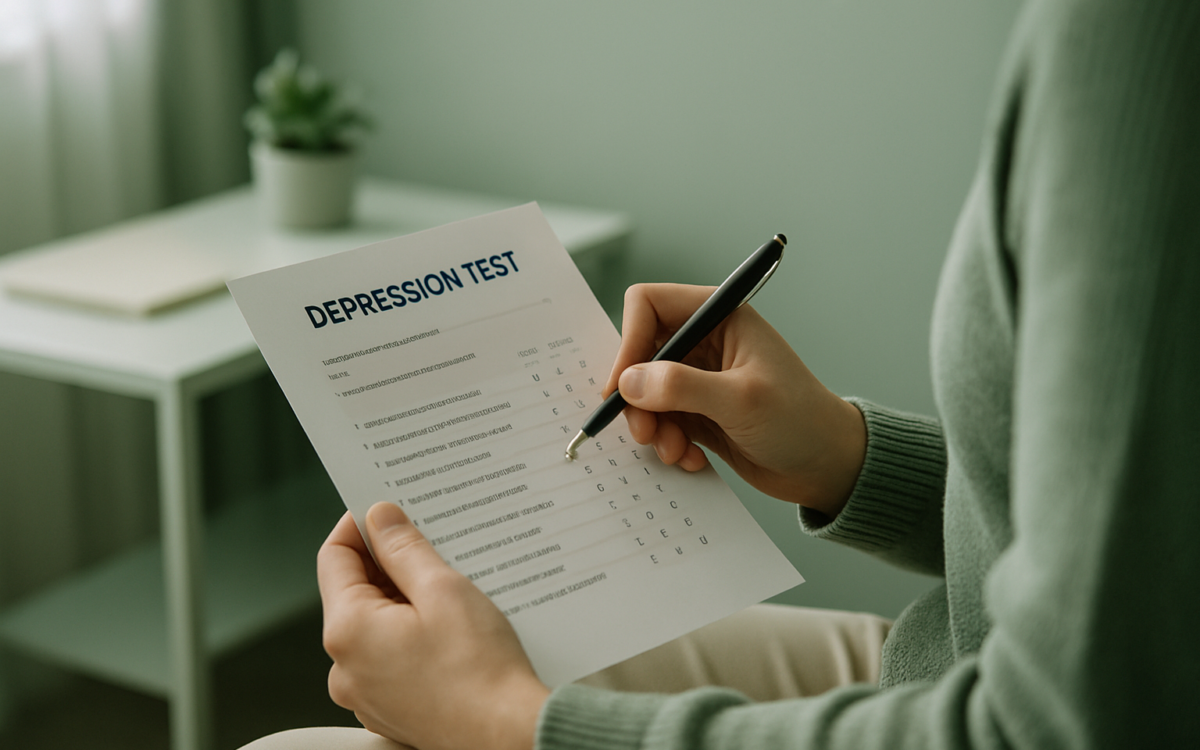
Feeling persistently sad, empty, or hopeless can be overwhelming. You might wonder if it’s just a phase or if it could be something more significant, like depression. One way to check in on your emotional state is through a depression test. These tools can help you gain insight into your feelings and guide you toward appropriate support.
What Is a Depression Test?
A depression test is a set of questions designed to assess your mood and emotional well-being. These tests are not a diagnosis but a way to help identify symptoms associated with depression. Some common tests include:
- Beck Depression Inventory (BDI)
- Patient Health Questionnaire-9 (PHQ-9)
- Hamilton Depression Rating Scale (HDRS)
These self-assessment tools can be found in various formats, including online versions and printed questionnaires. They cover aspects like feelings of sadness, interest in activities, energy levels, and changes in sleep or appetite.
Why Take a Depression Test?
Taking a depression test can provide valuable insights into your emotional health. Here are a few reasons why it might be beneficial:
- Self-awareness: Understanding your feelings is the first step in addressing mental health concerns.
- Pattern recognition: Frequent testing can help track changes in your mood over time.
- Starting conversations: Results from a test can open the door to discussions with healthcare providers, friends, or family.
Types of Depression Tests
While many depression tests are available, they typically fall into one of two categories: self-report questionnaires and clinician-administered assessments.
Self-Report Questionnaires
Self-report questionnaires, like the PHQ-9, allow individuals to reflect on their feelings and behaviors. These tests can usually be completed at home and provide instant feedback based on your responses. They focus on specific symptoms, such as:
- Feeling down or hopeless.
- Losing interest in activities you once enjoyed.
- Experiencing changes in appetite or sleep patterns.
Clinician-Administered Tests
In contrast, clinician-administered tests are conducted by trained mental health professionals. These assessments can delve deeper into your mental state and may include interviews and observation. Clinicians might use the Hamilton Depression Rating Scale (HDRS) to evaluate a person’s level of depression and its impacts on daily functioning.
Interpreting Your Results
After taking a depression test, you’ll usually receive a score that may suggest a level of concern. Generally, scoring higher may indicate more severe symptoms. However, remember that these tests are not conclusive. They serve as starting points and cannot replace a professional diagnosis. If your score suggests moderate to severe depression, it is advisable to contact a healthcare provider for a thorough evaluation.
A Note on Cultural Variations
Depression can manifest differently across cultures, and what one test measures may not fully capture your experience. If you’re located outside the United States or seek international treatment options, platforms like acibademinternational.com may offer tailored mental health assessments and resources to meet diverse needs. Cultural factors can influence how individuals express their emotions and the context surrounding mental health, enriching the understanding of symptoms beyond standard tests.
Things to Keep in Mind
While depression tests can be helpful, here are some important things to consider:
- Not a replacement for diagnosis: These tests are tools for self-reflection but should not replace professional evaluations.
- Limitations: Tests may miss nuances of individual experiences. Relying solely on them can provide a skewed understanding of your mental health.
- Check the source: Use reputable tools from recognized health organizations for more reliable results.
When to See a Doctor
If you’re experiencing symptoms of depression, such as persistent sadness, overwhelming fatigue, or thoughts of self-harm, it’s crucial to seek help from a healthcare professional. They can offer personalized guidance and resources. Early intervention is vital in managing depression effectively.
Conclusion
Depression tests are valuable tools for increasing self-awareness and understanding your emotional health. While they can provide you with insights, they are just one piece of the mental health puzzle. If you’re struggling with depression symptoms, consider reaching out to a qualified healthcare provider for support. Remember, you’re not alone on this journey towards emotional well-being.
