
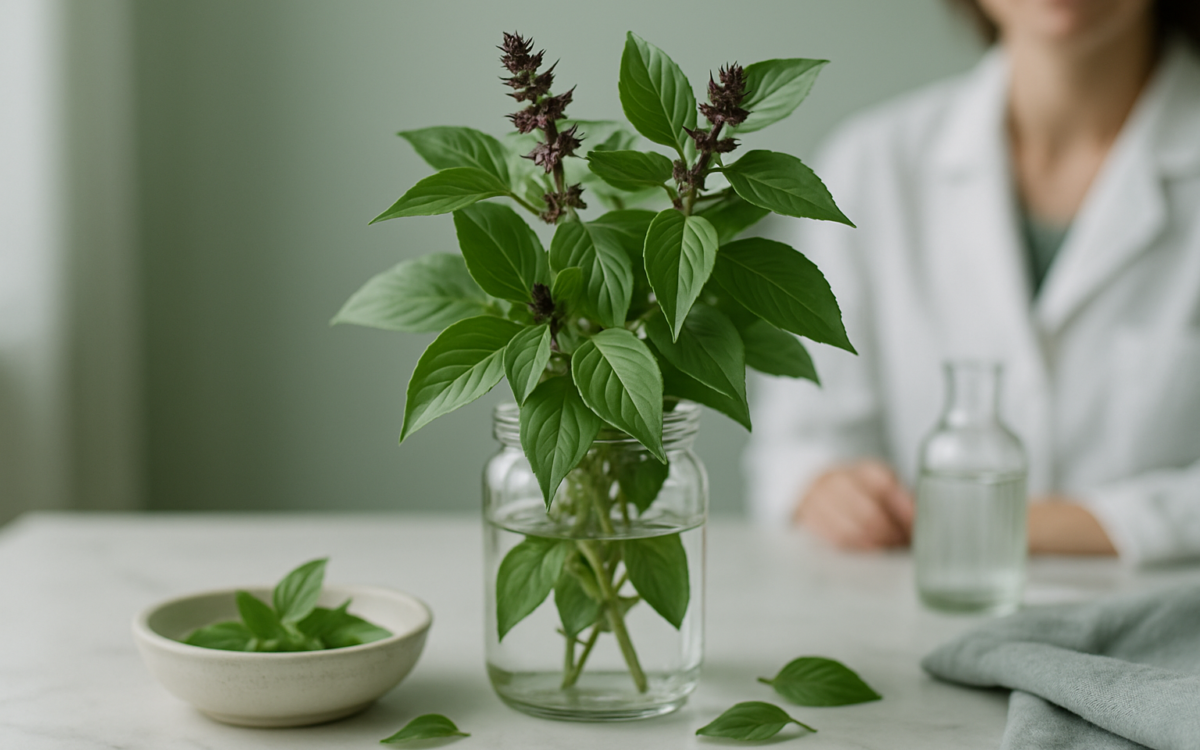
Thai basil, also known as Ocimum basilicum, is a fragrant herb that holds a special place in many Asian cuisines, particularly Thai and Vietnamese. Its unique flavor profile, with hints of anise and clove, is not just a delight to the taste buds but may also offer several health benefits. In this article, we’ll explore what Thai basil is, how to incorporate it into your diet, and the potential advantages it brings.
What is Thai Basil?
Thai basil is a variety of basil native to Southeast Asia. Unlike its sweet basil cousin, which is commonly used in Italian cuisine, Thai basil has a spicier, more robust flavor, making it an essential ingredient in dishes like Pad Krapow and Tom Yum. Its vibrant, purple-tinged leaves have a distinct aroma that can elevate the simplest meals.
Nutritional Profile of Thai Basil
Thai basil is not just a flavor enhancer; it also packs a nutritional punch. Here’s what you can generally expect in a serving of fresh Thai basil:
- Vitamins: Thai basil is rich in vitamins A, K, and C, which are crucial for maintaining healthy skin, supporting bone health, and boosting the immune system.
- Minerals: This herb contains important minerals such as iron, calcium, and magnesium, contributing to overall bodily functions.
- Antioxidants: The leaves are loaded with antioxidants, which are compounds that help combat oxidative stress in the body.
Incorporating Thai basil into your diet can be a delicious way to meet your nutritional needs!
Health Benefits of Thai Basil
While the flavor of Thai basil is undoubtedly a highlight, research suggests that this herb may also offer some potential health benefits. Here are a few worth noting:
1. Anti-inflammatory Properties
Chronic inflammation is linked to various health issues, from heart disease to diabetes. Some studies indicate that compounds found in Thai basil, such as eugenol and rosmarinic acid, may possess anti-inflammatory properties. Incorporating Thai basil into your meals may help combat inflammation in the body—though more research is needed to confirm this effect (NIH).
2. Antimicrobial Effects
Preliminary studies have suggested that Thai basil may have antimicrobial properties, which can help protect against certain bacteria and fungi. This means that enjoying dishes made with this herb might help to support your immune system while also adding flavor to your food.
3. Digestive Health
Thai basil has been traditionally used in many cultures to promote digestive health. The aromatic oils present in the leaves can stimulate digestion and may help alleviate symptoms of indigestion. This can make it a valuable addition to meals, especially those that may be harder to digest.
How to Use Thai Basil in Your Cooking
Incorporating Thai basil into your meals doesn’t have to be complicated. Here are some tips to get you started:
- Soups: Add Thai basil to soups, especially spicy or coconut-based ones, to enhance flavor.
- Curries: Finish off your favorite curry with freshly torn Thai basil leaves for added aroma and taste.
- Salads: Toss some leaves into a salad or use them in a refreshing summer roll for a herby twist.
- Garnish: Use Thai basil as a garnish for rice dishes or grilled meats to elevate the presentation and flavor.
With its strong flavor, even a small amount of Thai basil can make a big difference in your meals!
Growing Thai Basil at Home
If you enjoy cooking with Thai basil, consider growing it yourself! This herb is relatively easy to cultivate, whether in your garden or in pots at home. Here are some quick tips for growing Thai basil:
- Light: Thai basil thrives in sunny spots, so choose a location that gets at least six hours of direct sunlight each day.
- Soil: Use well-draining soil rich in organic matter. Thai basil prefers slightly acidic to neutral soil.
- Water: Keep the soil moist but not soggy. Water regularly but allow the top layer of soil to dry slightly between waterings.
- Harvesting: Regularly pinch back the leaves to encourage bushy growth and prevent flowering, which can alter the taste.
Growing Thai basil can be a rewarding experience, providing you with fresh herbs right at your fingertips!
When to See a Doctor
While Thai basil is generally safe for most people when consumed in moderation, it’s always a good idea to consult a healthcare professional if you plan to use it for medicinal purposes or have specific health concerns. If you experience any adverse reactions after consuming Thai basil, consult your doctor.
Always consult with a healthcare provider before making substantial changes to your diet, especially if you have underlying health conditions or are on medication.
Conclusion
Thai basil is more than just a fragrant herb that enhances your favorite dishes. With its rich nutritional profile and potential health benefits, it’s a valuable addition to any diet. Whether you incorporate it into your meals or grow it at home, Thai basil can provide a flavorful and healthful boost. So why not explore all it has to offer?
