
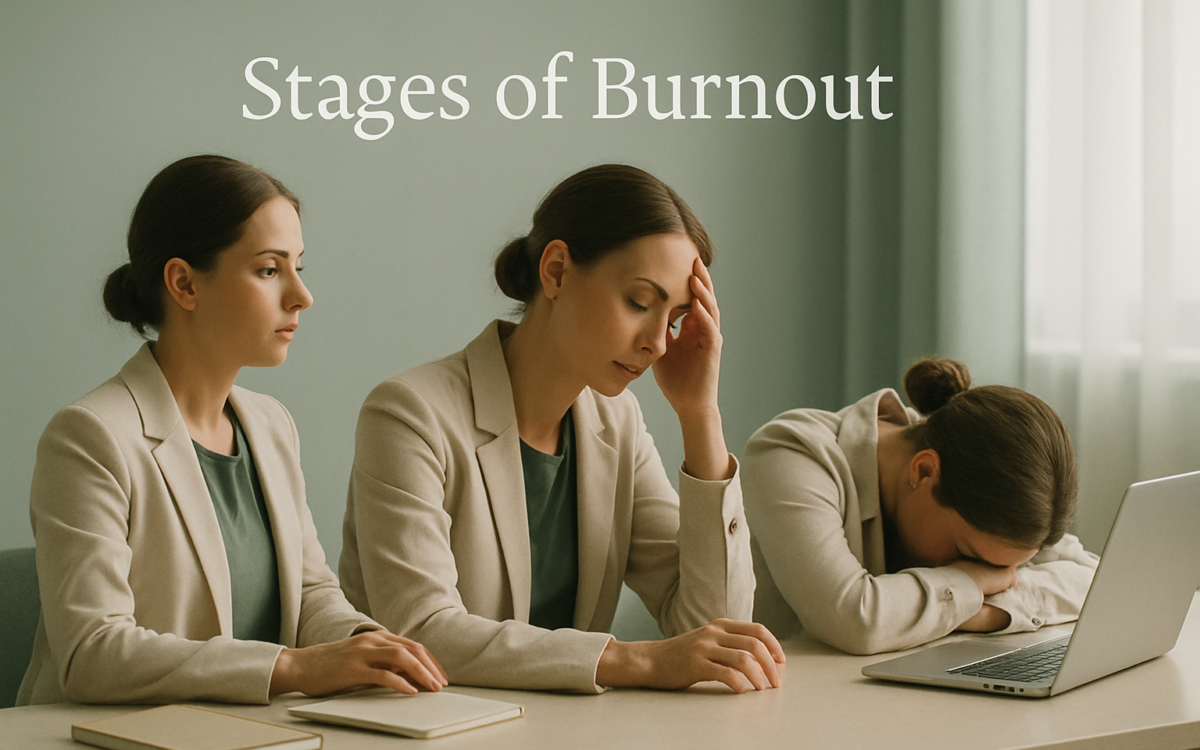
Burnout isn’t just a buzzword—it’s a real psychological syndrome that can significantly impact our lives. Especially in our fast-paced world, many of us may find ourselves overwhelmed by stress, workload, and constant connectivity. Recognizing the stages of burnout can guide us toward effective strategies for managing our mental health and seeking help when needed.
What is Burnout?
Burnout is defined as a prolonged state of physical, emotional, and mental exhaustion, often resulting from chronic stress. It’s not just about being tired; it can lead to feelings of hopelessness and a decreased sense of accomplishment. According to the World Health Organization (WHO), burnout is classified in the International Classification of Diseases (ICD-11) under factors influencing health status. This acknowledgment emphasizes its serious impact on health and well-being.
The Stages of Burnout
Burnout unfolds gradually over time, typically in five stages:
1. The Honeymoon Phase
In the initial stage, everything feels exciting. You are highly motivated, enthusiastic, and satisfied with your work. You might often take on new projects and responsibilities with a zest for learning. While this phase is enjoyable, it’s essential to find a balance and not overcommit.
2. Onset of Stress
As time passes, the excitement can diminish. You may start to feel overwhelmed with your responsibilities. Stress becomes more pronounced, and while you may still perform well, you increasingly feel the pressure. Recognizing these feelings is crucial; if unresolved, they can escalate.
3. Chronic Stress
In this stage, stress becomes a constant presence in your life. You might experience physical symptoms, such as headaches, fatigue, or sleep disturbances. Emotionally, you may feel anxious, irritable, or detached from your work and loved ones. This period requires immediate attention, as ignoring it can lead to more severe burnout.
4. Burnout
This is the stage where burnout is fully realized. You may feel hopeless, helpless, and trapped. Your motivation has waned significantly, and you might experience a lack of creativity and inspiration. It can be challenging to perform even basic tasks, which can affect your job performance and personal relationships deeply.
5. Habitual Burnout
The final stage occurs when burnout becomes a chronic condition. At this point, individuals might feel emotionally numb and experience profound cynicism. Daily routines become exhausting, and the toll on your mental health can lead to serious consequences, including anxiety and depression. People in this stage might need more extensive help and support to recover.
Signs and Symptoms of Burnout
As burnout progresses through these stages, recognizing the signs is important. Common symptoms can include:
- Increased cynicism or negativity towards your job or responsibilities
- Feelings of detachment from work, friends, and loved ones
- Physical symptoms like headaches, stomach issues, or fatigue
- Difficulty concentrating and making decisions
- Reduced performance at work or in daily activities
If you notice these signs in yourself or someone else, it may be time to take action.
Strategies for Managing Burnout
Addressing burnout requires intentional effort. Here are some effective strategies:
1. Prioritize Self-Care
Make time for activities you enjoy. Whether it’s reading, dancing, or spending time outdoors, prioritizing your interests can help rejuvenate your spirit.
2. Set Boundaries
Learn to say no when you feel overwhelmed. Setting limits on your responsibilities can prevent burnout from escalating.
3. Seek Support
Connect with friends, family, or colleagues. Sharing your feelings can help lift the weight off your shoulders. Consider talking to a professional if you need additional support. Resources like the Mayo Clinic provide valuable information on seeking mental health help.
4. Practice Mindfulness
Activities like meditation, yoga, or deep breathing can help reduce stress levels and create a sense of calm. Integrating mindfulness into your routine can inspire a greater connection to your work and personal life.
When to See a Doctor
If you feel overwhelmed by stress or burnout and find it difficult to manage the impact on your life, it is important to consult a healthcare provider. Especially if you experience feelings of hopelessness, anxiety, or persistent physical symptoms, professional guidance can be beneficial. You don’t have to navigate this alone—help is available.
Conclusion
Understanding the stages of burnout is an essential part of self-care. By recognizing the signs early on and implementing strategies to combat stress, you can reclaim your well-being. Remember, it’s perfectly okay to seek help when needed, and taking action sooner can lead to a happier, more balanced life.
