
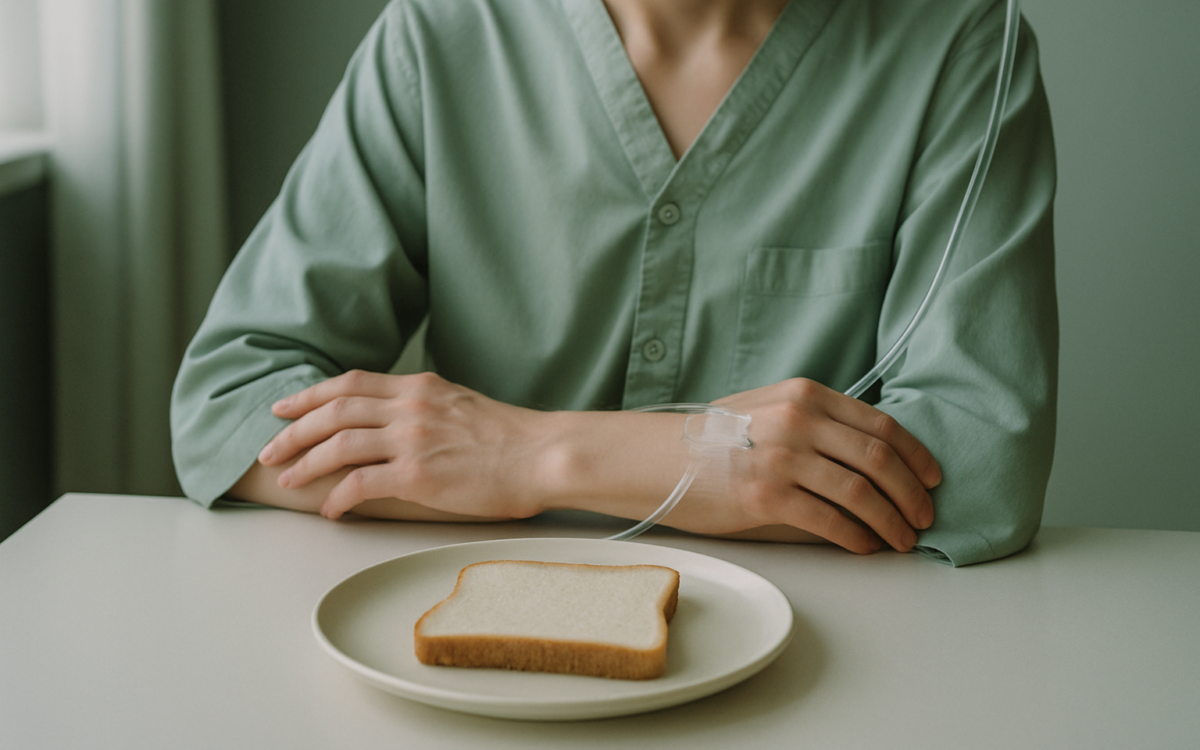
Have you ever wondered how long a person can live without food? This question can be both intriguing and alarming, as it brings us face to face with the human body’s remarkable resilience. Nevertheless, understanding the limits of starvation and what happens when we stop eating is crucial for grasping our health.
The Science of Starvation
Starvation occurs when the body does not receive enough nutrients to maintain normal physiological functions. The human body relies on food for energy, vitamins, and minerals crucial for everyday activities. When food intake stops, the body begins to use stored energy sources, primarily carbohydrates, fats, and proteins, in a sequential manner.
Phases of Starvation
Starvation can be divided into several phases:
1. Initial Phase
During the first few hours without food, your body will use the glucose stored in your liver as fuel. This glucose provides energy for bodily functions. Generally, this phase can last a few hours up to a day.
2. Glycogen Depletion
Once glycogen stores are depleted (typically within 24 to 48 hours), the body starts breaking down fat reserves to generate energy. This is when the body enters a state known as ketosis, where it begins to use ketones—by-products of fat metabolism—for fuel.
3. Protein Breakdown
After several days, the body begins to break down muscle proteins for energy. This phase is critical and can lead to severe health consequences. Notably, this onset might occur around the third or fourth day without food.
How Long Can a Person Survive Without Food?
The length of time a person can survive without food varies significantly based on several factors:
- Hydration: Staying hydrated is crucial. A person can survive for weeks without food but only a few days without water.
- Body Composition: Individuals with more fat reserves may last longer than those with less body fat, as the body can utilize fat stores for energy.
- General Health: The overall health of a person also plays a significant role. Those with pre-existing health conditions may have a shorter survival time.
- Environmental Factors: External factors, such as temperature and activity level, can influence how long someone can survive without food. For example, extreme cold can increase caloric needs.
On average, a healthy person can survive without food for about one to two months, but serious health complications can arise within the first week. A case study reported that a well-nourished person could survive starvation for 8 to 10 weeks, as seen in some instances of fasting or hunger strikes (NIH). However, medical oversight is crucial during prolonged periods without food.
The Psychological Effects of Starvation
Interestingly, starvation affects not just physical health, but mental health as well. The lack of food can lead to mood swings, irritability, and cognitive impairments. Long-term food deprivation is also associated with increased anxiety and depressive symptoms. Nutritional deficiencies can exacerbate these psychological impacts, stressing the importance of a balanced diet for overall well-being.
When Starvation Becomes Malnutrition
It is essential to differentiate between starvation and malnutrition. While starvation refers to complete absence of food, malnutrition can occur even with some food intake if it lacks essential nutrients. Malnutrition can lead to various disorders, including weakened immunity, stunted growth in children, and chronic diseases. Health professionals can assess and recommend interventions for malnutrition through detailed evaluations and dietary assessments.
When to See a Doctor
If you or someone you know is experiencing prolonged periods without food, or shows signs of severe weight loss, lethargy, or changes in mental clarity, it is critical to seek medical advice. Early intervention can prevent serious health complications that may arise due to starvation or malnutrition.
Conclusion
Understanding how long a person can survive without food and recognizing the signs of starvation can be life-saving knowledge. If you are in a situation where food is scarce, or if you have concerns about eating habits, reach out to a healthcare provider for reliable guidance. This information is essential, as remaining informed empowers you to take charge of your health.
