
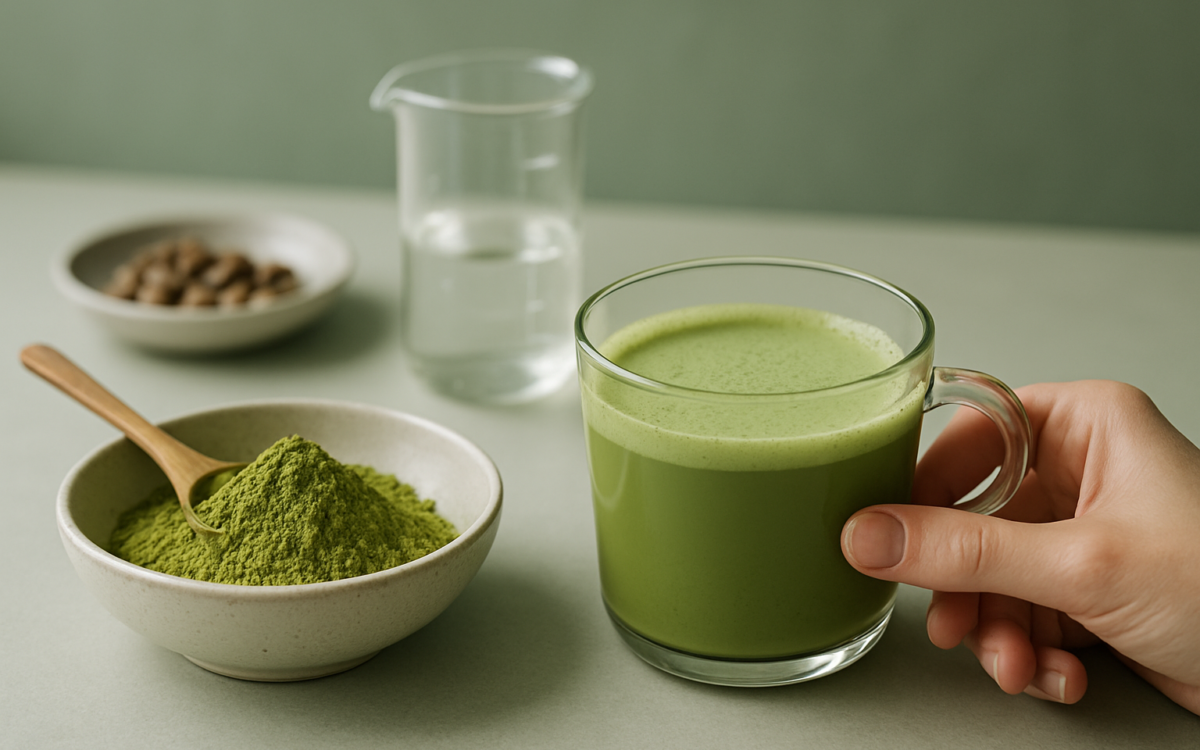
If you’ve walked into a café recently, you may have noticed matcha has become a trendy beverage choice. This finely ground powder made from specially grown green tea leaves is often praised for its unique flavor and health benefits. But if you’re a caffeine-sensitive individual or just curious about what you’re consuming, you may wonder: does matcha have caffeine? Let’s explore the caffeine content in matcha, how it compares to other popular beverages, and what you should keep in mind.
Understanding Matcha and Its Origins
Matcha comes from the Camellia sinensis plant, the same plant used to produce all traditional teas, including black and green tea. However, unlike regular green tea where leaves are steeped, matcha involves grinding whole tea leaves into a fine powder. This means when you drink matcha, you’re consuming the whole leaf, which can maximize the health benefits and nutrients.
Does Matcha Contain Caffeine?
Yes, matcha does contain caffeine, though the amount can vary based on several factors, including how it’s prepared. On average, an 8-ounce cup of matcha tea contains about 70 mg of caffeine. For comparison, an 8-ounce cup of brewed coffee can contain around 95 mg, and a standard cup of black tea usually has about 40 mg of caffeine.
The caffeine in matcha can provide a gentle energy boost without the jitters that some experience from coffee. This is partly because matcha also contains L-theanine, an amino acid that can promote relaxation and mental clarity, helping to balance out the stimulating effects of caffeine.
Comparing Caffeine Content: Matcha vs. Other Beverages
It’s useful to compare matcha to other beverages to get a clearer picture of its caffeine content:
- Green Tea: Regular brewed green tea typically has 20-45 mg of caffeine per cup.
- Coffee: As mentioned before, a standard cup usually contains around 95 mg of caffeine.
- Soda: A 12-ounce can of cola contains about 30 mg of caffeine.
- Energizing Beverages: Energy drinks can vary widely but often contain 80 mg or more in a standard serving.
This comparison shows that while matcha contains caffeine, it is often less than coffee and many energy drinks, making it a great alternative for those looking for a milder boost.
Health Benefits of Matcha
Aside from its caffeine content, matcha is celebrated for its impressive health benefits. Here are some key advantages:
- Rich in Antioxidants: Matcha is packed with catechins, antioxidants that help neutralize harmful free radicals in the body.
- Boosts Metabolism: Some studies suggest that matcha can enhance metabolism and aid in burning fat more efficiently.
- Supports Mental Health: The combination of caffeine and L-theanine may help improve focus and reduce stress.
While these benefits sound promising, it’s important to remember that individual responses to caffeine and other compounds can vary. If you’re considering increasing your matcha intake, take note of how it affects you personally.
International Perspectives on Matcha
In many countries, matcha is traditionally consumed in various forms, from lattes to desserts. When looking for high-quality matcha, consider that different regions may have unique preparations. For those traveling abroad, you can find treatment in Turkey where culinary traditions sometimes incorporate matcha into local dishes.
Potential Side Effects of Caffeine in Matcha
Although matcha has many benefits, it’s not without potential side effects, particularly due to its caffeine content. Some individuals may experience:
- Insomnia or disrupted sleep patterns
- Anxiety or restlessness
- Headaches or migraines, particularly if you’re sensitive to caffeine
If you experience any of these side effects, it may be worth adjusting your matcha consumption or consulting a healthcare professional.
When to See a Doctor
If you have underlying conditions, such as anxiety disorders or heart problems, or if you’re pregnant or breastfeeding, it’s a good idea to discuss your caffeine intake with a healthcare provider. They can guide you on safe levels of consumption.
Conclusion
Matcha can be a flavorful and healthful alternative to other caffeinated beverages, offering a moderate amount of caffeine along with a host of health benefits. By understanding its caffeine content and how it fits into your overall diet, you can make informed choices that align with your lifestyle and health goals. Whether you enjoy it as a soothing ritual or an energizing drink, matcha has something to offer for everyone.
