
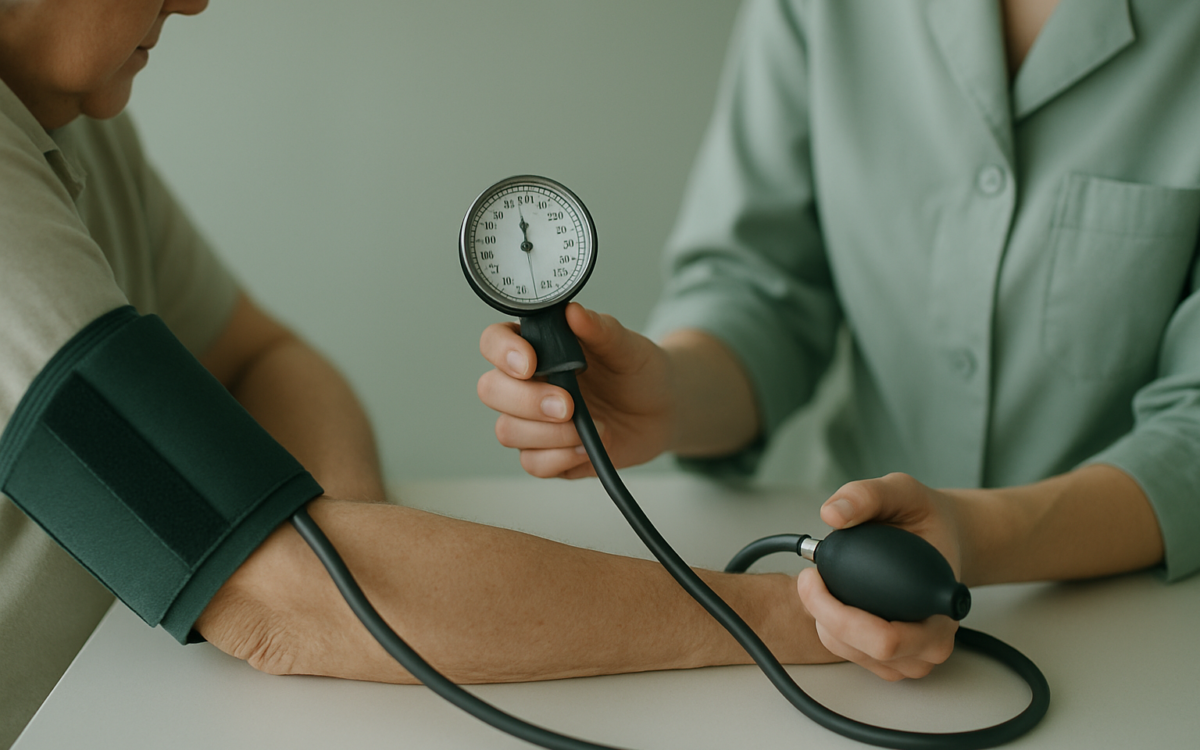
Systolic blood pressure can seem like just a number, but it’s much more than that. It provides important insights into how well your heart is working. Understanding this measurement is key to maintaining good heart health and can help you prevent potential health issues down the line.
What is Systolic Blood Pressure?
Systolic blood pressure is the top number in a blood pressure reading. It measures the pressure in your arteries when your heart beats. For instance, if your blood pressure reads 120/80 mmHg, the 120 represents your systolic blood pressure. A normal reading is generally considered to be below 120 mmHg.
Why Systolic Blood Pressure Matters
The systolic number is crucial because it reflects how much pressure is exerted against your artery walls while your heart is pumping. Elevated systolic blood pressure can indicate conditions like hypertension, which can lead to serious health problems such as heart disease or stroke if left unmanaged. Studies have shown that systolic blood pressure is a significant risk factor for these conditions, especially for individuals over the age of 50. Research from the National Institutes of Health (NIH) has shown that high systolic blood pressure can be a stronger predictor of cardiovascular risk than diastolic blood pressure, which is the bottom number in your reading.
Normal vs. High Systolic Blood Pressure
According to the Centers for Disease Control and Prevention (CDC), blood pressure levels are categorized as follows:
- Normal: Less than 120 mmHg
- Elevated: 120-129 mmHg
- Hypertension Stage 1: 130-139 mmHg
- Hypertension Stage 2: 140 mmHg or higher
- Hypertensive Crisis: Higher than 180 mmHg
Knowing your systolic blood pressure can help you understand your overall cardiovascular health. Regular monitoring is essential, especially if you fall into any of the categories for elevated blood pressure.
Causes of Elevated Systolic Blood Pressure
Many factors contribute to high systolic blood pressure. Some common causes include:
- Age: Blood vessels can become stiffer with age, leading to higher readings.
- Weight: Being overweight increases the strain on your heart and can raise blood pressure.
- Diet: A high-sodium diet can cause fluid retention, increasing blood pressure.
- Physical inactivity: Lack of exercise can lead to weight gain and elevated blood pressure.
- Stress: Chronic stress may lead to unhealthy habits, further raising blood pressure.
Identifying these factors can help you create a strategy to manage your systolic blood pressure.
How to Maintain Healthy Systolic Blood Pressure
Making lifestyle changes can have a significant impact on your systolic blood pressure. Here are some tips:
- Eat a healthy diet: Focus on fruits, vegetables, whole grains, and lean proteins. Reducing sodium intake can also benefit your blood pressure.
- Exercise regularly: Aim for at least 150 minutes of moderate aerobic activity each week. Activities like walking, swimming, or cycling can help keep your heart healthy.
- Manage stress: Techniques such as yoga, mindfulness, or meditation can lower stress levels, helping to regulate blood pressure.
- Avoid tobacco and limit alcohol: Both smoking and excessive alcohol consumption can raise blood pressure. Quitting smoking and moderating alcohol intake can improve overall health.
- Monitor your blood pressure: Regularly checking your blood pressure can help you stay aware of your levels. Home blood pressure monitors can provide valuable feedback.
By adopting these habits, you can proactively manage your systolic blood pressure and promote better heart health.
Understanding the Role of Medications
In some cases, lifestyle changes may not be enough to lower systolic blood pressure, and medication might be necessary. There are various types of medications available, including diuretics, ACE inhibitors, and beta-blockers. If your doctor prescribes medication, it’s important to take it as directed and discuss any concerns or side effects with them. More information about medications can be found on the Mayo Clinic‘s website.
When to See a Doctor
If you have consistent readings above 130 mmHg, it’s time to consult a healthcare professional. Additionally, if you experience symptoms such as severe headache, chest pain, or shortness of breath, seek medical attention immediately. Regular check-ups are crucial, especially if you have a history of high blood pressure or cardiovascular issues.
Understanding systolic blood pressure is essential for maintaining your heart health. By knowing your numbers and working with your healthcare team, you can take steps to protect your heart and enhance your overall well-being.
