
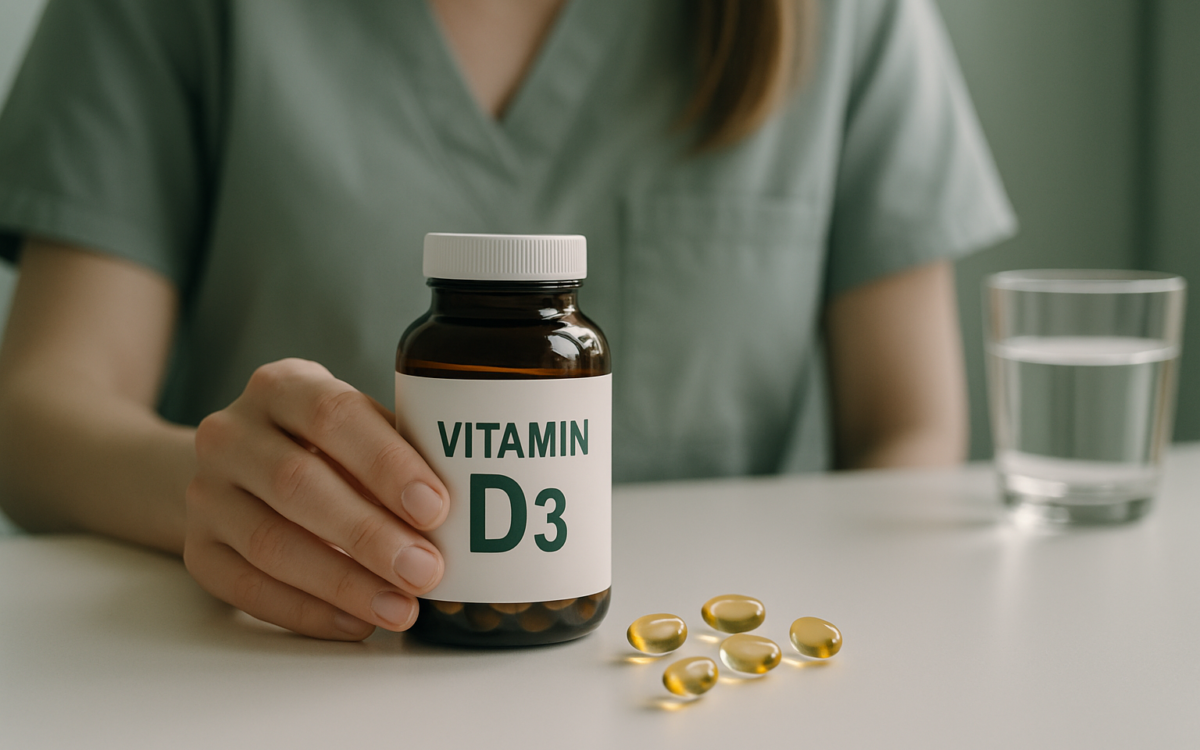
Vitamin D, especially in the form of D3 (cholecalciferol), plays a pivotal role in maintaining our health. It’s often called the “sunshine vitamin” because our bodies produce it when exposed to sunlight. However, many people aren’t getting enough vitamin D3, which can lead to various health issues. Understanding its importance, sources, and the signs of deficiency can help you make informed choices about your health.
What is D Vit D3?
D Vit D3 is one of the two main forms of vitamin D that our bodies use. The other form is D2 (ergocalciferol), which comes mainly from plant sources. D3, on the other hand, is largely derived from animal sources as well as from skin synthesis when exposed to UVB rays from the sun. Vitamin D is essential for calcium absorption, bone health, immune function, and even muscle strength.
Health Benefits of D Vit D3
Vitamin D3 offers a variety of health benefits:
- Bone Health: D3 helps your body absorb calcium and phosphorus, two vital minerals for building and maintaining strong bones. Low levels of vitamin D can lead to bone disorders like osteoporosis and rickets.
- Immune Function: Research suggests that vitamin D plays a key role in strengthening the immune system, helping the body fight off infections and diseases.
- Mood Regulation: Some studies link vitamin D deficiency to mood disorders, including depression. Normal levels of D3 may help improve overall mood and reduce the risk of depression.
- Heart Health: Preliminary research indicates that vitamin D might help in reducing the risk of certain heart-related conditions by influencing heart health and blood pressure.
Sources of D Vit D3
Getting enough vitamin D3 is crucial for optimal health. Here are some common sources of this vitamin:
- Sunlight: Spending about 10-30 minutes in the sun several times a week can significantly boost your vitamin D3 levels. Factors like skin tone, geographical location, and seasonal changes can affect how much you can get from sunlight.
- Food: Foods rich in vitamin D3 include fatty fish (such as salmon and mackerel), cod liver oil, egg yolks, and fortified products like milk and cereals.
- Supplements: For those unable to get enough vitamin D3 from sunlight and food, supplements may be an effective option. Before starting any supplement regimen, consult a healthcare provider to determine the right dosage for your needs.
Signs and Symptoms of Vitamin D Deficiency
Many people are unaware they are deficient in vitamin D3. Here are some common signs and symptoms to watch for:
- Bone Pain and Weakness: A deficiency may lead to weakened bones, increasing the risk of fractures.
- Frequent Illness: If you find yourself getting sick more often, it could be a sign your immune function is compromised.
- Muscles Aches: Low levels of D3 can lead to muscle weakness and aches, making it hard to perform daily tasks.
- Fatigue: Feelings of tiredness and fatigue can also be tied to a deficiency in this important vitamin.
International Perspectives on Vitamin D3 Treatment
In various countries, the approach to vitamin D3 treatment can vary significantly. Some places have embraced the importance of vitamin D screening and supplementation as part of routine medical care, especially in regions with long winters when sunlight exposure is limited. For example, treatment in Turkey often includes educating patients about maintaining adequate vitamin D levels through a combination of sunlight exposure, diet, and supplementation.
When to See a Doctor
If you suspect you have a vitamin D deficiency, it’s important to consult with a healthcare provider. They can perform a simple blood test to determine your current vitamin D levels and recommend a tailored plan to address any deficiencies.
Conclusion
Overall, D Vit D3 plays a vital role in maintaining various aspects of health, from bone strength to immune function. By understanding its benefits, sources, and the symptoms of deficiency, you can take proactive steps to ensure you’re getting enough of this important nutrient. Whether through sun exposure, diet, or supplements, prioritizing vitamin D3 in your health routine can lead to improved well-being.
