
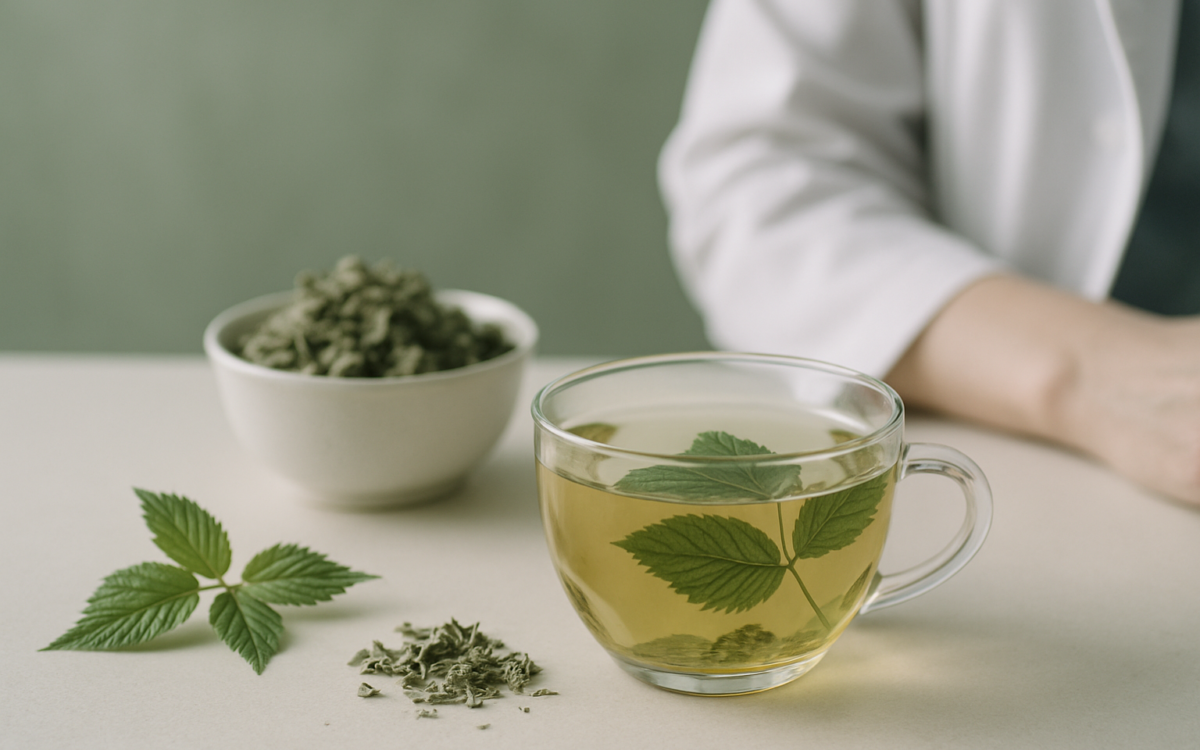
Raspberry leaf tea has gained popularity in recent years, not just as a flavorful herbal drink, but also for its potential health benefits. Known for its rich nutritional profile, this herbal tea comes from the dried leaves of the red raspberry plant (Rubus idaeus) and is believed to offer various advantages, particularly for women’s health. Let’s delve into the promising aspects of raspberry leaf tea and see why it may deserve a place in your tea collection.
What Is Raspberry Leaf Tea?
Raspberry leaf tea is made from the leaves of the raspberry plant, which is native to Europe, North America, and parts of Asia. The tea is often enjoyed for its unique taste, which carries a mildly sweet and earthy flavor profile. Because the leaves are rich in vitamins and minerals, including vitamins B, C, and E, as well as essential minerals like potassium and magnesium, it’s no wonder that many people have embraced this herbal drink.
Potential Benefits for Women’s Health
One of the most well-known uses of raspberry leaf tea is in supporting women’s reproductive health. Here are some potential benefits:
- Menstrual Cycle Regulation: Many women find relief from symptoms associated with their menstrual cycle. Some studies suggest that raspberry leaf tea may help tone the muscles of the uterus, potentially easing cramping and regulating menstrual flow. This can be particularly beneficial for women who experience heavy or painful periods.
- Support During Pregnancy: Raspberry leaf tea is frequently recommended during the later stages of pregnancy. It is believed to help prepare the uterus for labor, improve muscle tone, and lead to shorter labor times. However, it’s crucial to consult a healthcare provider before incorporating it into your diet during pregnancy.
- Menopause Relief: The tea may also help alleviate some menopausal symptoms, such as hot flashes and mood swings. Raspberry leaves contain phytoestrogens, plant-based compounds that can mimic estrogen in the body, potentially providing some balance during this transitional period.
Rich in Nutrients
Aside from its potential effects on women’s health, raspberry leaf tea is packed with essential nutrients. This herbal tea contains:
- Antioxidants: These compounds can help combat oxidative stress in the body, which may contribute to various health issues over time.
- Vitamins and Minerals: Vitamin C boosts your immune system, while potassium and magnesium can assist in maintaining a healthy heart and efficient muscle function.
- Anti-inflammatory Properties: Some studies suggest that raspberry leaves may offer anti-inflammatory benefits, which could be beneficial for overall health.
How to Prepare Raspberry Leaf Tea
Making raspberry leaf tea at home is quite simple. Here’s a quick guide:
- Choose Your Leaves: You can either purchase dried raspberry leaves from health food stores or online.
- Boil Water: Bring a pot of water to a boil.
- Add the Leaves: Use about 1-2 teaspoons of dried leaves for every cup of water. Add the leaves to the boiling water.
- Steep: Allow the tea to steep for about 5-10 minutes, depending on how strong you want the flavor to be.
- Strain and Serve: Strain the leaves and serve your tea hot. You can add honey, lemon, or a slice of ginger for additional flavor if desired.
Possible Side Effects and Considerations
While raspberry leaf tea is generally considered safe for most people, there are some considerations to keep in mind:
- Pregnant Women: Although many recommend raspberry leaf tea during the later stages of pregnancy, it’s essential to consult your healthcare provider first. Some experts suggest avoiding raspberry leaf tea in the early stages of pregnancy.
- Interactions with Medications: Raspberry leaf may have interactions with certain medications, such as blood thinners. Always discuss your herbal tea choices with your doctor, especially if you are taking medication.
- Allergic Reactions: Allergies to raspberry leaves are rare, but they can occur. If you experience any unusual symptoms after drinking the tea, discontinue use and consult a healthcare professional.
When to See a Doctor
If you experience severe or concerning symptoms after drinking raspberry leaf tea, or if you are considering it for specific health conditions, it’s crucial to consult a healthcare professional. This is especially important for pregnant women or those with pre-existing health conditions.
Conclusion
Raspberry leaf tea is a promising herbal beverage that may offer various health benefits, particularly for women in different life stages. With its nutrient-rich profile and potential to support menstrual and reproductive health, it can be a delightful addition to your tea collection. However, it’s essential to approach any herbal remedy with caution and consult with a healthcare provider to ensure it’s suitable for your individual needs. Enjoy your tea journey, and may each sip contribute to your overall well-being!
