
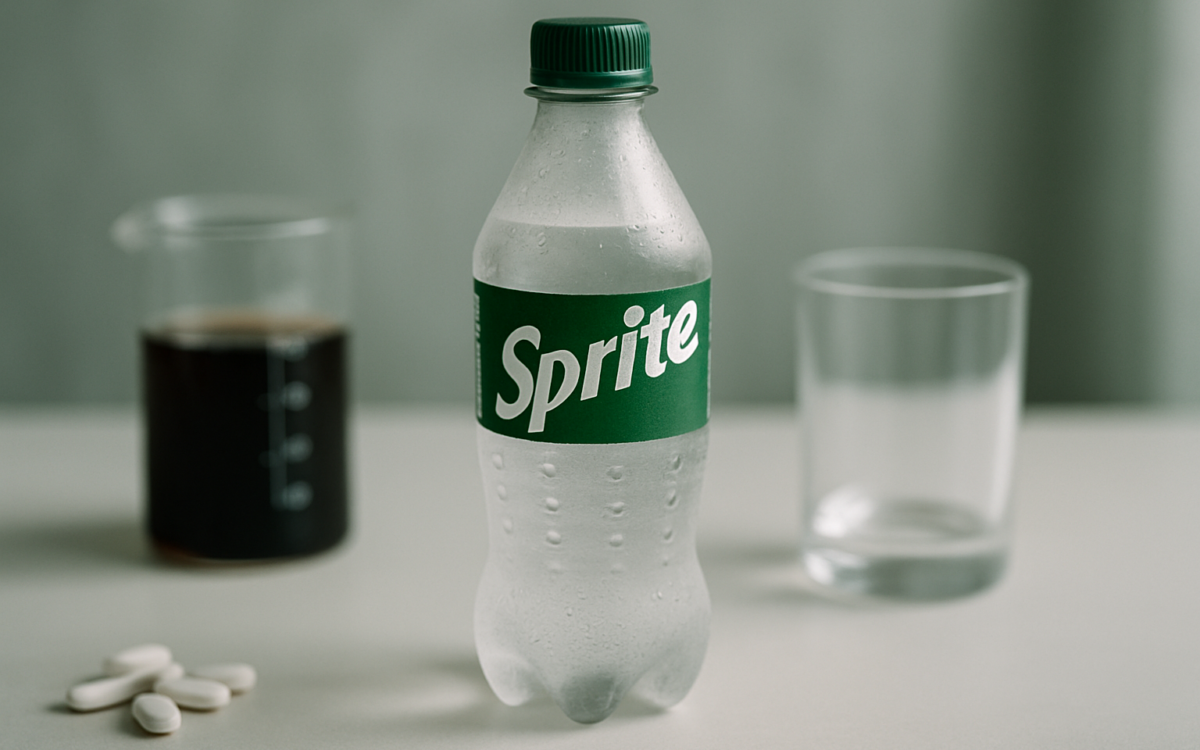
When you grab a cold can of Sprite, you might wonder about its ingredients. It’s a beloved lemon-lime soda, perfect for quenching your thirst. But there’s one common question that many people ask: does Sprite have caffeine? Understanding the ingredients in soft drinks can help you make healthier choices and satisfy your curiosity.
What Is Sprite?
Sprite is a popular lemon-lime flavored soda produced by The Coca-Cola Company. Launched in the 1960s, it quickly became a favorite for those seeking a refreshing and crisp beverage. Besides its iconic citrus flavor, Sprite is known for its bubbly texture and sweet taste. It’s often enjoyed on its own or as a mixer in various cocktails.
Does Sprite Contain Caffeine?
The short answer is no. Sprite does not contain caffeine. According to the official ingredients list provided by The Coca-Cola Company, Sprite is a caffeine-free beverage. This makes it an excellent choice for individuals who are sensitive to caffeine or who wish to avoid it altogether.
What About Other Soft Drinks?
While Sprite is caffeine-free, not all soft drinks share this characteristic. Many popular sodas, such as colas and energy drinks, do contain caffeine. For example:
- Coca-Cola: Contains about 34 mg of caffeine per 12 oz serving.
- Pepsi: Has similar caffeine levels, around 38 mg per 12 oz serving.
- Mountain Dew: Contains significantly more caffeine, with about 54 mg per 12 oz serving.
So, if you’re looking to avoid caffeine, be sure to check the labels. The caffeine content is often listed right next to the ingredients.
Why Is Caffeine Not in Sprite?
Caffeine is commonly added to soft drinks for its stimulant effects. It can enhance flavor and provide a feeling of energy. However, Sprite’s goal is to offer a refreshing, clean taste without the bitterness that can come from caffeine. By keeping Sprite caffeine-free, The Coca-Cola Company appeals to a broader audience, including children and those who prefer non-caffeinated beverages.
What Are the Alternatives?
If you enjoy lemon-lime sodas but want to avoid sugar and calories, consider these alternatives:
- Sparkling Water: Flavored sparkling water can provide the bubbly experience without the added sugars or caffeine.
- Homemade Lemon-Lime Soda: You can make your own refreshing drink at home by mixing sparkling water with fresh lemon and lime juice.
- Caffeine-Free Variants: Some brands offer caffeine-free versions of popular sodas, so check labels at your local store.
Caffeine and Health Considerations
Even though Sprite is caffeine-free, it’s essential to be mindful of your total caffeine intake from other sources. Caffeine consumption can vary widely among individuals, depending on factors such as age, weight, and general health. Moderate caffeine intake is generally considered safe for most people, but excessive consumption can lead to symptoms like:
- Insomnia
- Increased heart rate
- Anxiety
- Stomach upset
For those sensitive to caffeine, staying within recommended limits is crucial. The Mayo Clinic suggests that up to 400 mg of caffeine per day (about four 8 oz cups of brewed coffee) is usually safe for most adults. However, pregnant women and individuals with certain health conditions should consult their healthcare provider about their caffeine intake.
When to See a Doctor
If you experience negative symptoms related to caffeine intake, like persistent headaches, insomnia, or heart palpitations, it may be time to consult a healthcare professional. Additionally, if you’re unsure about how much caffeine is safe for your specific situation, speak with your doctor to get personalized advice.
Conclusion
Sprite is a popular, caffeine-free option for those looking for a refreshing soda. As you indulge in your favorite drinks, being mindful of their ingredients can help you make informed choices. Whether you choose Sprite or opt for other alternatives, enjoy your beverage with a sense of awareness about what you’re consuming.
