
When it comes to building upper body strength, many people focus on biceps, triceps, and shoulders, often overlooking the forearms. Strong forearms are not just crucial for aesthetics; they play a vital role in grip strength and overall functionality. Whether you’re an athlete, a fitness enthusiast, or someone looking to improve daily activities, incorporating forearm workouts into your routine can lead to significant benefits.
Why Forearm Strength Matters
Forearms consist of various muscles that help control the hands and fingers, making them essential for many activities, from typing on a keyboard to lifting weights. Strong forearms can improve your performance in sports like rock climbing, wrestling, and golf, where grip strength is paramount. Moreover, improved forearm strength can also lead to better wrist stability and reduced risk of injuries.
Basic Anatomy of the Forearm
To understand the importance of forearm workouts, it’s helpful to know the basic anatomy. The forearm contains two main bones, the radius and ulna, and a complex network of muscles. The primary muscle groups include:
- Flexors: Located on the front side of the forearm, these muscles allow you to bend your wrist and fingers.
- Extensors: On the back side, these muscles help straighten the fingers and wrist.
- Wrist stabilizers: These small muscles aid in maintaining stability and strength during gripping actions.
Effective Forearm Workouts
Incorporating a variety of exercises into your forearm workout routine is vital for balanced strength development. Here are a few effective exercises to consider:
1. Wrist Curls
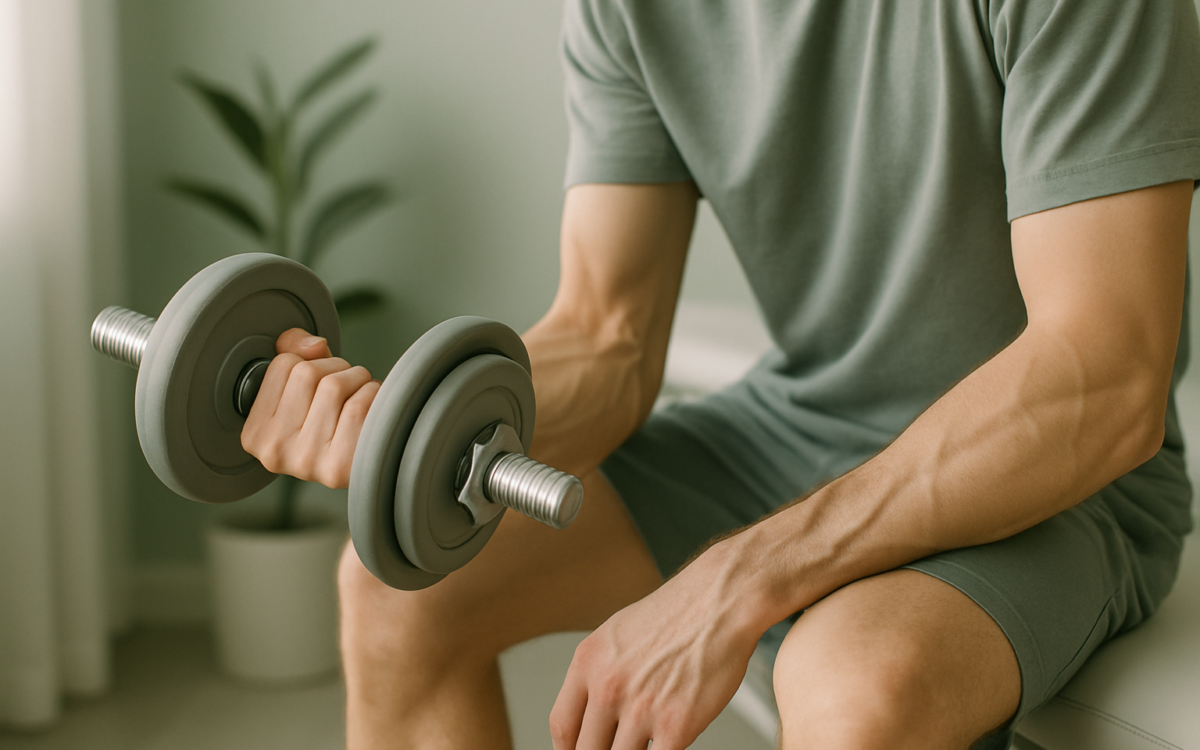
Wrist curls primarily target the forearm flexors. To perform wrist curls:
- Sit on a bench or chair with your forearm resting on your thigh, holding a dumbbell in one hand.
- Let your wrist hang over the edge and curl the weight upwards by bending your wrist.
- Lower it back down and repeat for 10-15 reps before switching hands.
2. Reverse Wrist Curls
This exercise focuses on the extensors. To do reverse wrist curls:
- Similar to wrist curls, rest your forearm on your thigh, but this time your palm should be facing down.
- Curl the dumbbell upwards, then lower it back down slowly.
- Repeat for 10-15 reps and switch hands.
3. Farmer’s Walk
This functional exercise boosts grip strength and overall forearm muscle endurance. To perform a farmer’s walk:
- Grab a heavy dumbbell or kettlebell in each hand.
- Stand up tall, engage your core, and walk for a set distance or time while maintaining a firm grip.
4. Hammer Curls
Hammer curls target both biceps and forearm muscles. To do a hammer curl:
- Stand tall with a dumbbell in each hand, palms facing your body.
- Curl the weights up towards your shoulders while keeping your palms facing each other.
- Lower the weights back down and repeat for 10-15 reps.
5. Plate Pinches
This exercise is excellent for improving grip strength and forearm endurance. To perform plate pinches:
- Take two weight plates (start light) and pinch them together with your fingers, holding them vertically.
- Keep your grip for as long as you can, striving for time improvement.
Incorporating Forearm Workouts into Your Routine
To see progress, integrate forearm workouts into your regular fitness routine. You can include them:
- As an accessory workout after your main lifts (like bench press or deadlifts).
- On dedicated strength training days.
- Incorporate grip exercises (like the farmer’s walk) during your cardio sessions.
Start with 2-3 sessions per week, focusing on proper form and technique to prevent injuries. Gradually increase weights and repetitions as your strength improves.
Tips for Forearm Workout Success
Here are some handy tips to elevate your forearm training:
- Warm-up: Properly warm up your wrists and forearms to prevent injury.
- Focus on form: Prioritize technique over lifting heavier weights, especially for smaller muscle groups.
- Recovery: Allow for rest and recovery; forearms can become fatigued quickly.
Remember, consistency is key in building strength over time.
When to See a Doctor
If you experience persistent pain, numbness, or weakness in your forearms or wrists, it’s advisable to consult a healthcare professional. These symptoms could indicate issues like carpal tunnel syndrome or tendonitis, and early intervention can lead to better outcomes. For information on musculoskeletal health, you can visit the National Heart, Lung, and Blood Institute.
Conclusion
Forearm workouts are an essential part of a balanced fitness routine. By dedicating time to strengthen these muscles, you not only enhance your grip strength but also improve overall performance in various physical activities. Make forearm exercises a regular component of your workouts for complete upper body fitness and functionality.
