
Cataracts are a common eye condition that can significantly affect your vision. Many people experience cloudy or blurry vision as a result. Thankfully, a simple and effective procedure known as cataract surgery can restore clear sight. In this article, we’ll explore what a cataract operation entails, its benefits, recovery processes, and when you should consider consulting your doctor.
What are cataracts?
Cataracts occur when the lens of the eye becomes cloudy, making it challenging to see clearly. Most commonly associated with aging, cataracts can develop slowly over the years and may go unnoticed until they substantially impair vision. Symptoms include:
- Blurry or cloudy vision
- Difficulty with night vision
- Increased sensitivity to glare
- Fading or yellowing of colors
In many cases, cataracts develop without pain, making regular eye exams crucial for early detection and intervention. According to the National Institutes of Health, most people over the age of 60 either have cataracts or have had surgery to remove them.
How is cataract surgery performed?
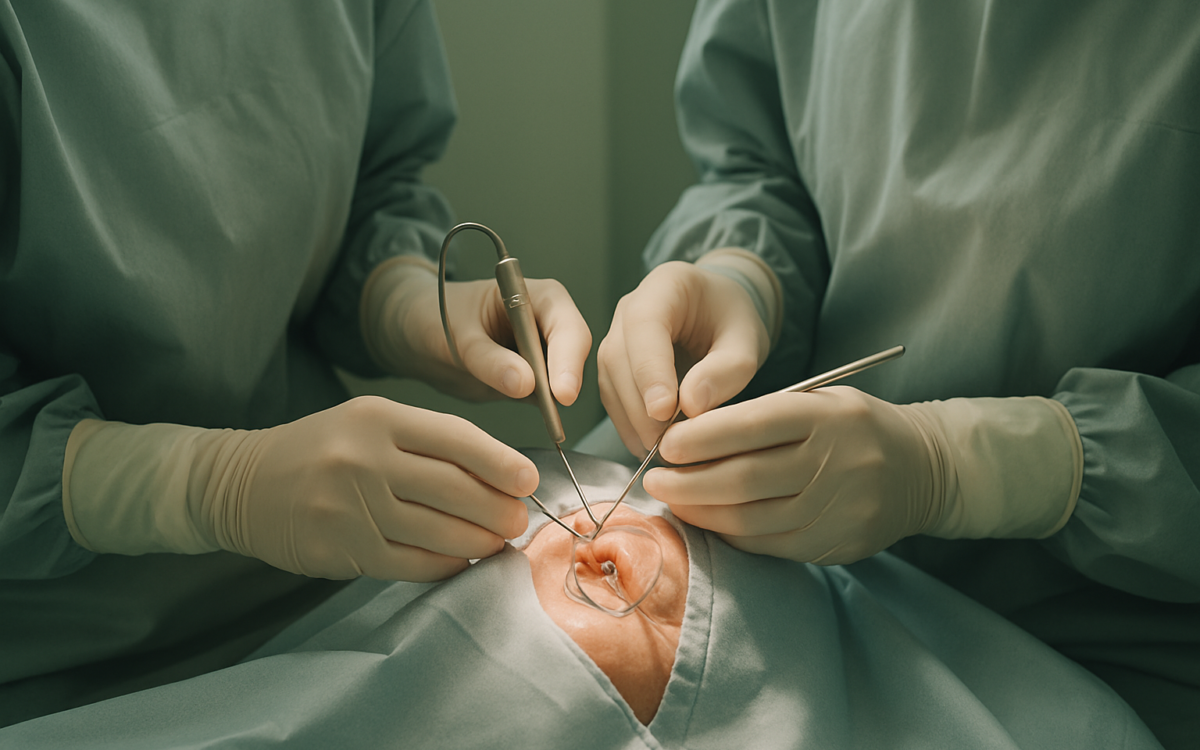
The cataract operation is typically outpatient, meaning most patients can go home the same day. During the procedure, the cloudy lens is removed and replaced with a clear artificial lens, allowing for improved vision.
Here’s a step-by-step breakdown of what to expect:
- Pre-operative evaluation: Your surgeon will conduct a comprehensive eye exam to understand the extent of your cataracts and determine the most suitable surgical approach.
- Anesthesia: Local anesthesia is usually administered, ensuring you remain comfortable throughout the procedure.
- Lens removal: The surgeon makes a small incision in the eye to remove the cloudy lens.
- Lens replacement: An artificial intraocular lens is inserted through the same incision.
- Closure: No stitches are usually required; the incision is small enough to heal on its own.
The entire procedure typically takes less than an hour, and most patients notice improvements in their vision almost immediately.
What are the benefits of cataract surgery?
Many patients report significant improvements in their vision following surgery. Here are some benefits that cataract surgery can offer:
- Improved vision: The most prominent benefit is restored vision quality, allowing you to see clearly again.
- Increased safety: Improved vision can reduce the risk of falls and accidents, particularly in older adults.
- Better quality of life: With clearer sight, everyday tasks like reading, driving, and enjoying nature become more enjoyable.
Research published by the Mayo Clinic indicates that cataract surgery has a high success rate, with more than 90% of people experiencing improved vision.
What should you expect during recovery?
Recovery from cataract surgery is generally quick. Here’s what typically happens:
- Post-operative care: Your doctor will likely provide eye drops to prevent infection and reduce inflammation.
- Follow-up visits: Regular appointments will be scheduled to monitor your recovery and effectiveness of the new lens.
- Avoiding strain: It’s essential to avoid strenuous activity, including heavy lifting, for a few weeks after surgery.
You may notice some visual disturbances, like halos or glare, right after surgery. However, these symptoms usually fade as your eye adapts to the new lens.
International treatment considerations
Cataract surgery is available worldwide, and many people travel to different countries to seek treatment. Factors like cost, technology, or waiting times can influence the decision to pursue surgery abroad. For individuals considering this option, explore international patient services that can assist with planning your treatment, including finding qualified surgeons and booking accommodations.
When to see a doctor
If you experience any vision changes, such as blurriness, double vision, or difficulty seeing at night, it’s advisable to consult an eye care specialist. Early diagnosis and treatment can prevent further complications and improve your quality of life.
Conclusion
Cataract surgery is a safe and effective way to restore vision for those affected by cataracts. With advancements in technology and techniques, many patients enjoy significant improvements in their quality of life following this procedure. If you suspect you have cataracts, don’t hesitate to reach out to your eye doctor for evaluation and potential treatment options.
