
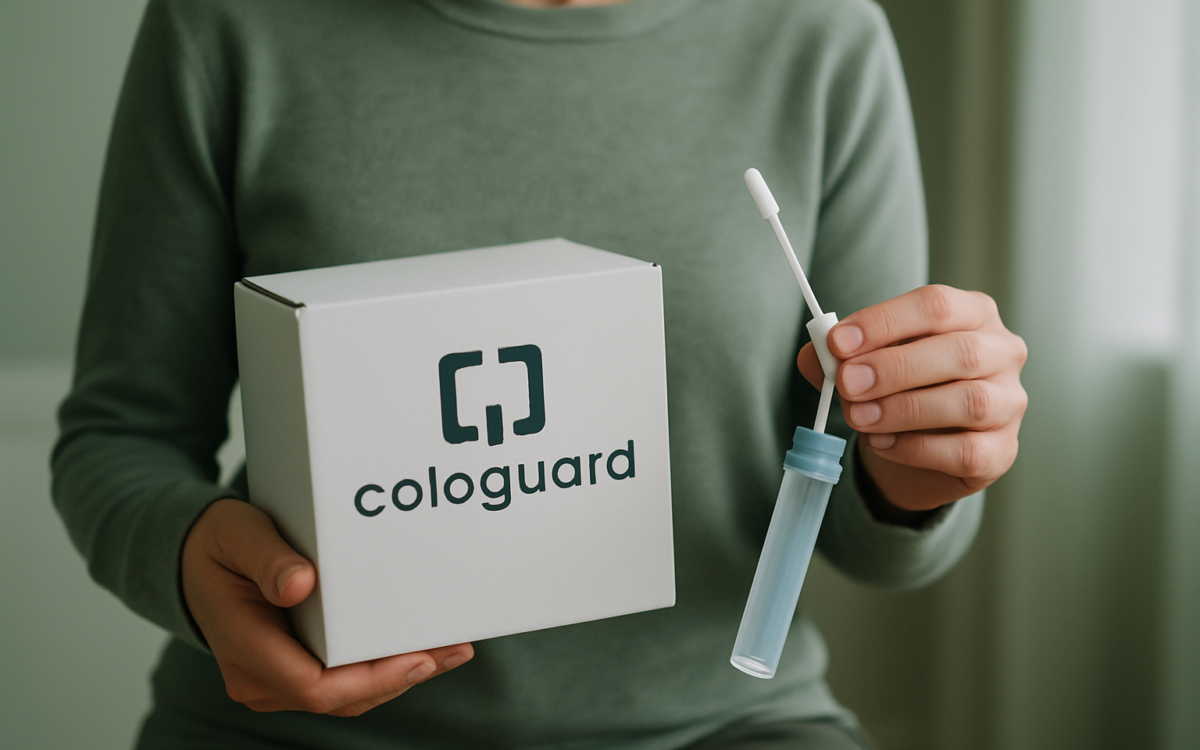
Colorectal cancer is one of the most common cancers in the United States, but it is also one of the most preventable. Early detection plays a key role in successful treatment. The Cologuard test is an innovative and non-invasive option that allows adults to screen for potential signs of colorectal cancer from the comfort of their own homes. Understanding what the Cologuard test involves can help demystify the process and empower you to take charge of your health.
What is the Cologuard Test?
The Cologuard test, developed by Exact Sciences, is a stool-based DNA test that screens for colorectal cancer and precancerous polyps. Unlike traditional colonoscopies, which require bowel preparation and sedation, the Cologuard test is non-invasive, making it a more convenient option for many individuals. It looks for specific DNA changes and hemoglobin (blood) in the stool that are associated with colorectal cancer.
Who Should Consider the Cologuard Test?
The Cologuard test is primarily intended for adults aged 45 and older who are at average risk for colorectal cancer. The U.S. Preventive Services Task Force (USPSTF) recommends regular screening starting at age 45 for those with no prior history of colorectal cancer or significant risk factors. If you have a family history of colorectal cancer or certain genetic syndromes, your doctor may recommend more frequent screenings or different methods.
How Does the Cologuard Test Work?
- Ordering the Test: Your healthcare provider can order a Cologuard test for you if you meet the eligibility criteria.
- Collecting Your Sample: You will receive a kit by mail that includes instructions for collecting a stool sample. This is typically done in the privacy of your home.
- Sending it Back: Once you collect your sample, you will send it back to the laboratory using the prepaid shipping materials provided in the kit.
- Receiving Results: Generally, you will receive your results in about one to two weeks. Your healthcare provider will discuss them with you.
Interpreting Cologuard Test Results
Results from the Cologuard test can be positive, negative, or inconclusive. A negative result means that no signs of colorectal cancer were found, and you may not need to screen again for three years. A positive result indicates that the test found DNA markers or blood potentially associated with cancer, and you will likely need to follow up with a colonoscopy for further evaluation.
An inconclusive result is one that cannot be clearly categorized, which means that additional testing may also be needed. It’s essential to discuss any result with your healthcare provider to understand your next steps.
Benefits of the Cologuard Test
The Cologuard test provides several advantages:
- Non-Invasive: The test is performed using a stool sample, eliminating the need for invasive procedures.
- Convenience: You can collect your sample at home, making it easier to fit into your schedule.
- Early Detection: The test is designed to identify cancer and precancerous conditions early, increasing the chances of successful treatment.
For individuals considering international treatment options, innovative approaches are available in different countries. For instance, treatment in Turkey may offer advanced technology and techniques for cancer therapies.
Limitations of the Cologuard Test
While the Cologuard test is advantageous, it is essential to understand its limitations:
- Not a Replacement for Colonoscopy: Cologuard is not intended to replace colonoscopy, which is a definitive test for diagnosing colorectal cancer.
- False Positives: Some individuals may receive positive results despite not having cancer, leading to unnecessary anxiety and additional testing.
- False Negatives: There is also a slight chance of false negatives, meaning that the test may miss cancer or precancerous polyps that are present.
When to See a Doctor
If you experience signs such as changes in bowel habits, persistent abdominal pain, or blood in your stool, it’s important to consult a healthcare provider, regardless of your Cologuard test results. Additionally, even with negative results, regular screenings as recommended by your doctor are essential to stay proactive about colorectal health.
Conclusion
The Cologuard test represents a modern approach to colorectal cancer screening that prioritizes convenience and early detection. If you’re eligible, consider discussing this option with your healthcare provider to determine the most appropriate screening strategy for you. Remember that staying informed and proactive about your health is your best defense against colorectal cancer.
