
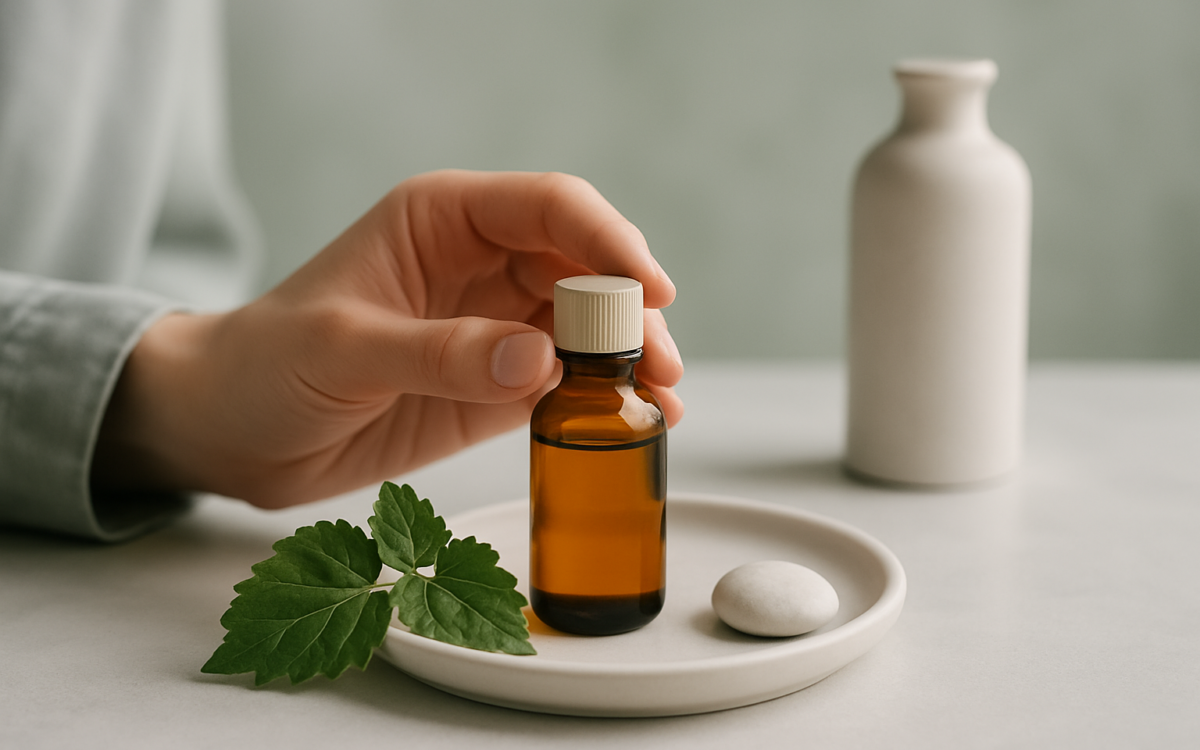
Patchouli oil, derived from the leaves of the patchouli plant, has been utilized for its unique scent and potential therapeutic properties for centuries. Its earthy aroma is well-known in perfumes and incense, while its benefits extend far beyond just fragrance. In this article, we’ll explore what patchouli oil is, its health benefits, and how to safely incorporate it into your life.
What Is Patchouli Oil?
Patchouli oil is extracted from the leaves of the Pogostemon cablin plant, a member of the mint family. Native to Southeast Asia, this oil has a rich history, often linked with traditional and folk medicine. The oil is obtained through steam distillation, which preserves its unique aromatic qualities.
Beyond its distinctive scent, patchouli oil contains several compounds that may contribute to its health benefits. These include patchoulol, alpha-bulnesene, and beta-guaiene, which have been studied for their potential antimicrobial, anti-inflammatory, and mood-enhancing properties.
Health Benefits of Patchouli Oil
Patchouli oil is heralded for a variety of potential health benefits, some of which are supported by scientific research. Here are a few notable advantages:
1. Mood Enhancement
Aromatherapy with patchouli oil might help improve mood and reduce feelings of anxiety. Studies suggest that inhaling the scent can stimulate emotional well-being by stimulating the limbic system, the part of our brain linked to emotions and memories. As such, patchouli oil can be a lovely addition to your meditation and relaxation routines.
2. Anti-Inflammatory Properties
Some research indicates that patchouli oil has anti-inflammatory effects, which can be beneficial for conditions characterized by inflammation. People often use it in topical applications to soothe sore muscles or aching joints. However, it’s crucial to dilute the oil with a carrier oil like coconut or jojoba before applying it to the skin to prevent irritation.
3. Skin Care
Patchouli oil is often utilized in natural skin care due to its potential to support skin health. It may help with conditions like acne, eczema, and dry skin by promoting new cell growth and providing moisture. Additionally, its antiseptic properties can aid in preventing infections in minor cuts or abrasions. Always perform a patch test on a small area of skin first to ensure you don’t have an adverse reaction.
4. Potential Antimicrobial Effects
Studies have shown that patchouli oil displays antimicrobial properties against various bacteria and fungi. This suggests it may help in inhibiting the growth of certain pathogens. While using patchouli oil as a natural remedy, it should not replace conventional treatments for serious infections, but it may be a complementary method worthy of consideration.
How to Use Patchouli Oil
There are many ways to use patchouli oil in your daily routine:
- Aromatherapy: Use a diffuser to disperse the scent throughout your home, improving mood and creating a calming atmosphere.
- Topical Application: Dilute patchouli oil with a carrier oil and apply it to the skin for its potential healing effects.
- In Bath Products: Add a few drops to your bathwater for a relaxing soak.
- Cosmetics: Look for natural skin care products that contain patchouli oil for its potential benefits.
Patchouli Oil Around the World
The use of patchouli oil isn’t limited to one geographic region. In various cultures, patchouli oil plays a role in traditional medicine and practices. For instance, it’s often used in Ayurveda, a holistic healing system from India, to balance the mind and body.
In today’s global market, patchouli oil is also available in many forms and blends, reflecting its diverse applications. International treatment centers, like Acibadem International, may offer therapies incorporating patchouli oil as part of holistic treatment plans, emphasizing the importance of integrating natural remedies with conventional medicine.
Precautions and Considerations
While patchouli oil has several noted benefits, it’s essential to approach its use with care:
- Allergies: Always conduct a patch test before widespread use to check for allergic reactions.
- Pregnancy and Breastfeeding: If you are pregnant or breastfeeding, consult your doctor before using essential oils.
- Interactions with Medications: Patchouli oil may interact with certain medications. It’s wise to speak with your healthcare provider if you’re taking medication.
When to See a Doctor
If you experience severe skin irritation or any allergic reaction after using patchouli oil, discontinue use and consult a healthcare professional. Additionally, if you have persistent skin issues or are considering using patchouli oil as a treatment for significant health concerns, it’s always best to discuss it with your doctor.
Patchouli oil, with its rich aroma and potential therapeutic properties, is a fascinating substance to explore. Whether you’re looking to enhance your mood, care for your skin, or simply enjoy the benefits of aromatherapy, patchouli oil can be a valuable addition to your daily life. However, always proceed with care and consult with healthcare professionals for the best guidance.
