
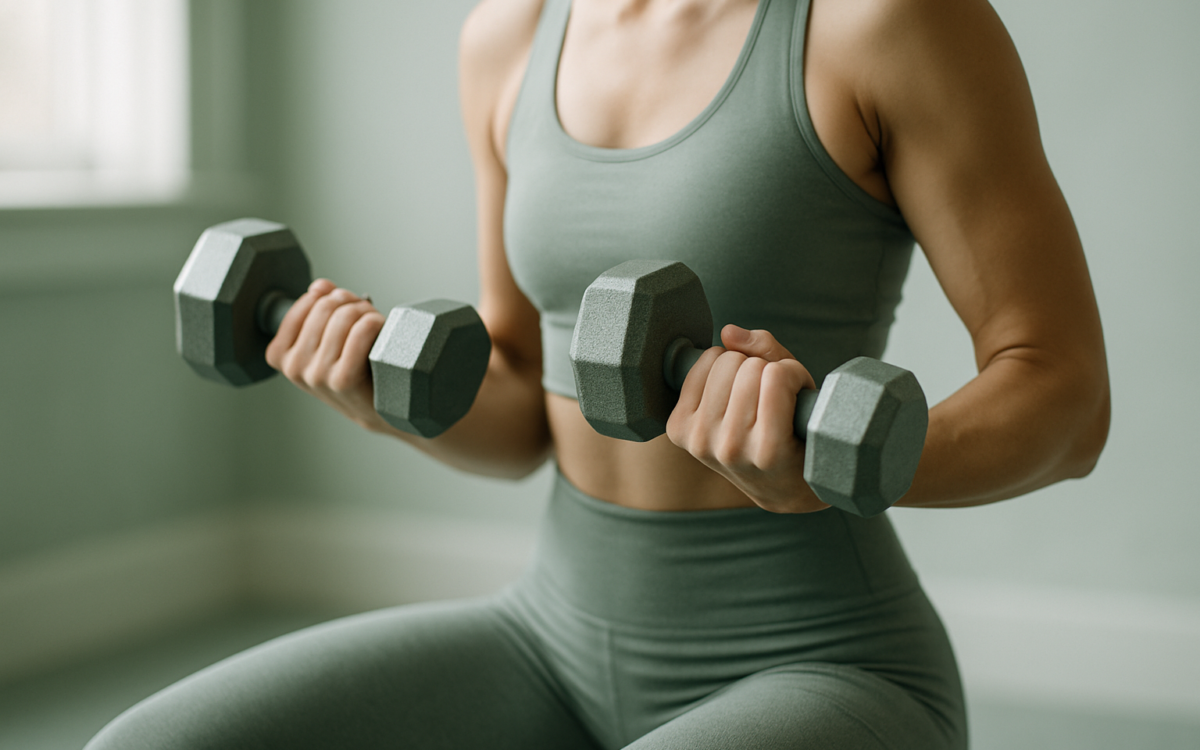
Dumbbell workouts are a fantastic way to enhance your strength, improve overall fitness, and add variety to your exercise routine. With their versatility and effectiveness, dumbbells are perfect for both beginners and seasoned athletes. Whether you’re looking to build muscle, tone your body, or simply stay active, incorporating dumbbells into your workouts can provide significant benefits. In this article, we’ll explore the different aspects of dumbbell workouts, including their advantages, techniques, and tips for making the most of your routine.
The Advantages of Dumbbell Workouts
Dumbbells stand out as an excellent tool for strength training for several reasons:
- Accessibility: Dumbbells are easy to use and can be found in most gyms or purchased for home use. This accessibility makes them a popular choice for many people.
- Versatility: Dumbbells can be used to perform a wide range of exercises, targeting various muscle groups. From chest presses to lunges, the options are endless.
- Stability and Balance: Using dumbbells requires more stabilization than using machines, which engages core muscles and improves overall balance.
- Progressive Overload: With dumbbells, you can easily increase the weight as you grow stronger, allowing for continuous improvement.
By incorporating dumbbell workouts into your routine, you can reap these benefits and take significant steps toward achieving your fitness goals.
Basic Dumbbell Exercises to Get Started
When you’re ready to dive into dumbbell workouts, it’s crucial to start with the basics. Here are some fundamental exercises that target various muscle groups:
1. Dumbbell Bench Press
This exercise primarily targets the chest, triceps, and shoulders.
- Lie back on a flat bench holding a dumbbell in each hand at chest level.
- Push the weights upward until your arms are fully extended.
- Lower the dumbbells back to the starting position.
2. Dumbbell Squats
Squats focus on the legs and glutes while also engaging your core.
- Stand with feet shoulder-width apart, holding a dumbbell in each hand at your sides.
- Bend your knees and lower your hips as if sitting back into a chair.
- Keep your chest lifted and return to the standing position.
3. Dumbbell Rows
This exercise strengthens your upper back and arms.
- Stand bent over at the hips, holding a dumbbell in each hand.
- Pull the weights toward your ribcage, squeezing your shoulder blades together.
- Slowly lower the dumbbells back to the starting position.
4. Dumbbell Deadlifts
Dumbbell deadlifts work the legs, back, and core muscles.
- Stand with your feet shoulder-width apart, holding a dumbbell in each hand.
- Bend at the hips and knees to lower the dumbbells toward the floor.
- Engage your back and legs as you lift the weights back up to standing.
5. Dumbbell Shoulder Press
This exercise targets the shoulders and arms effectively.
- Stand or sit with a dumbbell in each hand at shoulder height.
- Press the weights overhead until your arms are fully extended.
- Lower the weights back down to shoulder height.
Creating a Balanced Dumbbell Workout Routine
A successful workout routine involves balancing different types of exercises. To create a well-rounded dumbbell workout, include movements that target all major muscle groups. Here’s how you can structure your routine:
- Warm-Up: Begin with a 5-10 minute warm-up, such as brisk walking or dynamic stretches.
- Strength Training: Choose 4-6 exercises varying between upper and lower body, aiming for 8-12 repetitions of each.
- Core Work: Incorporate 2-3 core-specific exercises, such as planks or Russian twists.
- Cool Down: Finish with stretching to maintain flexibility and prevent injury.
Adjust the number of sets, repetitions, and weights according to your fitness level and goals. If you’re unsure about your form or how to progress safely, consider consulting a fitness expert.
Tips for Maximizing Your Dumbbell Workouts
To get the most out of your dumbbell workouts, keep the following tips in mind:
- Focus on Form: Maintaining proper form helps you avoid injuries and ensures you’re working the intended muscles effectively. Always prioritize form over the weight you’re lifting.
- Stay Consistent: Regularly schedule your workouts to build a strong habit. Consistency is key to seeing progress.
- Listen to Your Body: Pay attention to how your body feels during workouts. If something doesn’t feel right, stop and reassess.
- Mix It Up: Incorporate different exercises and alter your routines regularly to keep your workouts exciting and prevent plateaus.
Remember, the journey to fitness is personal, and each step you take with dumbbell workouts can contribute to a healthier, more active lifestyle.
When to See a Doctor
If you experience persistent pain, discomfort, or any unusual symptoms during or after your workouts, consider seeking medical advice. Pain that interferes with your daily life, difficulty breathing, or sudden changes in your health warrant a visit to your healthcare provider. Always prioritize your well-being and consult your doctor when necessary.
In conclusion, dumbbell workouts create a unique opportunity to strengthen your body, improve fitness levels, and promote healthy habits. With proper technique, variety, and consistency, dumbbells can become a crucial part of your fitness journey. Embrace the potential they hold, and watch your strength soar!
