
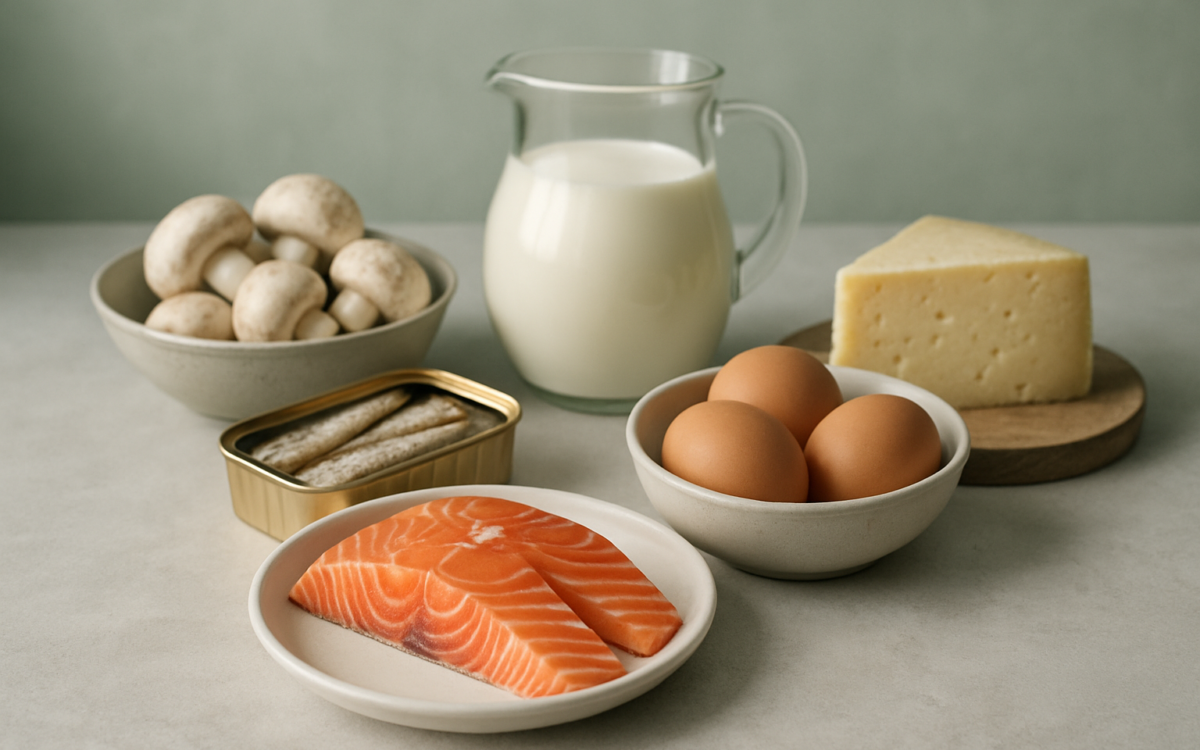
Vitamin D, often called the “sunshine vitamin,” plays a significant role in maintaining our health. However, many people might not get enough of this essential nutrient through sunlight alone. That’s where diet comes in! By incorporating specific foods high in vitamin D into your meals, you can help support your overall wellbeing.
Why is Vitamin D Important?
Vitamin D helps regulate calcium and phosphorus in your body, which are vital for strong bones and teeth. It also plays a role in immune function, cellular growth, and inflammation reduction. A deficiency in vitamin D can lead to various health issues, such as weakened bones and increased risk of chronic diseases.
Natural Food Sources of Vitamin D
Increasing your intake of vitamin D-rich foods can be a delicious way to boost your health. Here are some of the best natural sources:
Fatty Fish
- Salmon: One of the richest sources, a 3.5-ounce serving of salmon can provide up to 570 IU of vitamin D.
- Mackerel: This oily fish is not only tasty but a 3.5-ounce serving can deliver about 360 IU.
- Sardines: These small fish are packed with nutrients with around 270 IU per 3.5-ounce serving.
Cod Liver Oil
While it’s not a common food, a spoonful of cod liver oil can provide a whopping 1,360 IU of vitamin D. This oil is often taken as a supplement and can also benefit heart health due to its omega-3 fatty acids.
Dairy Products and Fortified Foods
Many dairy products and plant-based alternatives are fortified with vitamin D. Here are some options:
- Milk: Most cow’s milk is fortified with about 100 IU of vitamin D per cup.
- Yogurt: Many brands of yogurt also contain added vitamin D, offering around 80 IU per serving.
- Fortified Orange Juice: Some brands of orange juice are fortified with approximately 140 IU per cup.
Eggs: A Versatile Source
Egg yolks are another food source rich in vitamin D, with about 37 IU in one large egg. Incorporating eggs into your diet can be as simple as enjoying them scrambled, boiled, or in baked goods.
Mushrooms: A Plant-Based Option
Certain types of mushrooms, especially those exposed to ultraviolet (UV) light, can be a source of vitamin D. For instance, a cup of UV-exposed mushrooms can provide up to 1,000 IU. Options like maitake and morel mushrooms have higher amounts of this nutrient compared to regular button mushrooms.
The Role of Sunlight
While this article focuses on dietary sources, it’s important to remember that your body also produces vitamin D when your skin is exposed to sunlight. However, factors like geographical location, season, and skin tone can affect your ability to produce sufficient vitamin D from sunlight alone.
How Much Vitamin D Do You Need?
The recommended daily allowance (RDA) for vitamin D varies by age. According to the National Institutes of Health, adults aged 19-70 should aim for around 600 IU daily, while adults over 70 require 800 IU. It’s essential to consult with your healthcare provider to determine your specific needs.
When to See a Doctor
If you suspect you’re not getting enough vitamin D, or if you experience symptoms like fatigue, muscle weakness, or mood changes, it’s a good idea to speak with your doctor. They can recommend a simple blood test to check your vitamin D levels and discuss dietary changes or supplements if necessary.
Conclusion
Incorporating foods high in vitamin D into your diet can be a flavorful way to support your health. From fatty fish to fortified dairy products and even sunlight, there are many avenues to meet your vitamin D needs. Remember, a well-rounded diet paired with healthy lifestyle choices will set the foundation for your overall wellbeing.
